
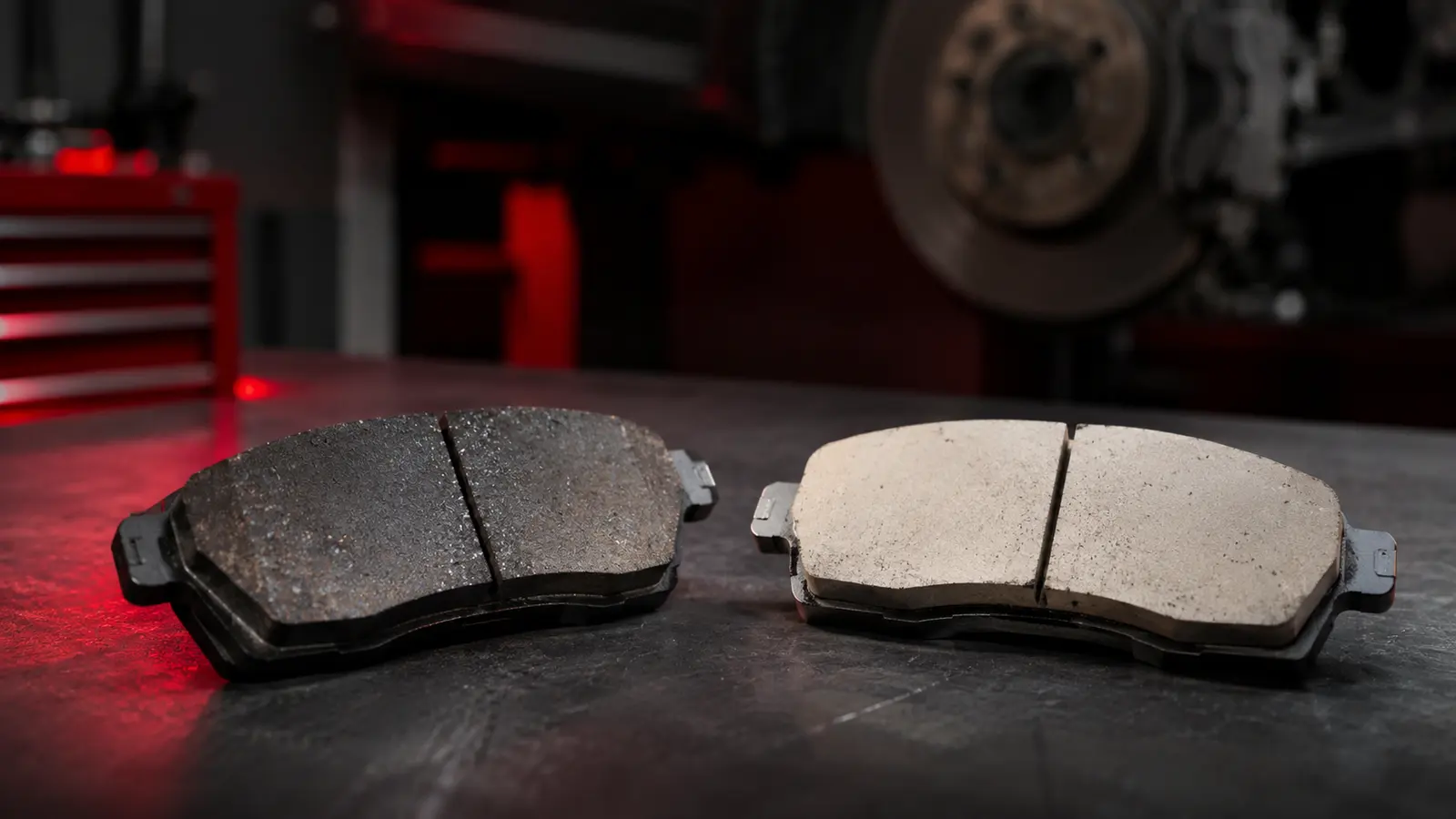
Quick answer
A parking brake that doesn't hold on a slope usually has stretched or seized cables, worn rear pads or drum shoes, or needs adjusting. On electronic parking brakes, a motor or software fault is possible.
- Topic
- Brakes
- Sections
- 5
- Reading time
- 1 min
- Applies to
- All regions
If your handbrake isn't holding the car on a slope, the usual causes are stretched or seized cables, worn rear pads or drum shoes, rear brakes out of adjustment, or on cars with an electronic parking brake (EPB), a motor or software fault.
Is it safe?
Don't rely on it. Park in gear (or Park) on level ground and use wheel chocks until it's fixed.
Causes at a glance
| Clue | Likely cause |
|---|---|
| Lever pulls up very high | Stretched cable, needs adjustment |
| Lever stiff, uneven | Seized cable |
| Worn rear brakes | Pads or shoes |
| EPB warning light | Motor or switch fault |
| Holds only one side | Seized cable or caliper on that side |
Check these in order
- Count lever clicks (manual) compared with when it was new.
- Look for warning lights on EPB cars.
- Check rear brake wear at the next service.
- Test on a gentle slope safely.
What a mechanic will do
They'll adjust or replace cables, service rear brakes or diagnose the EPB with a scan tool.
Related guides
Frequently asked questions
Is a weak handbrake an MOT failure?
Yes, parking brake efficiency is tested in the UK MOT.
Can I adjust it myself?
Some cable systems can be adjusted; EPBs usually need a scan tool.
Tools that can help
Need a mechanic?
Find rated garages near you by city, ZIP code or postcode, with directions.
About this guide
Written by Editorial Team using manufacturer documentation, government road-safety guidance and motoring-organisation advice. It explains likely causes and safe checks. It is not a diagnosis. How we write and check guides.
More brakes guides
 Brakes
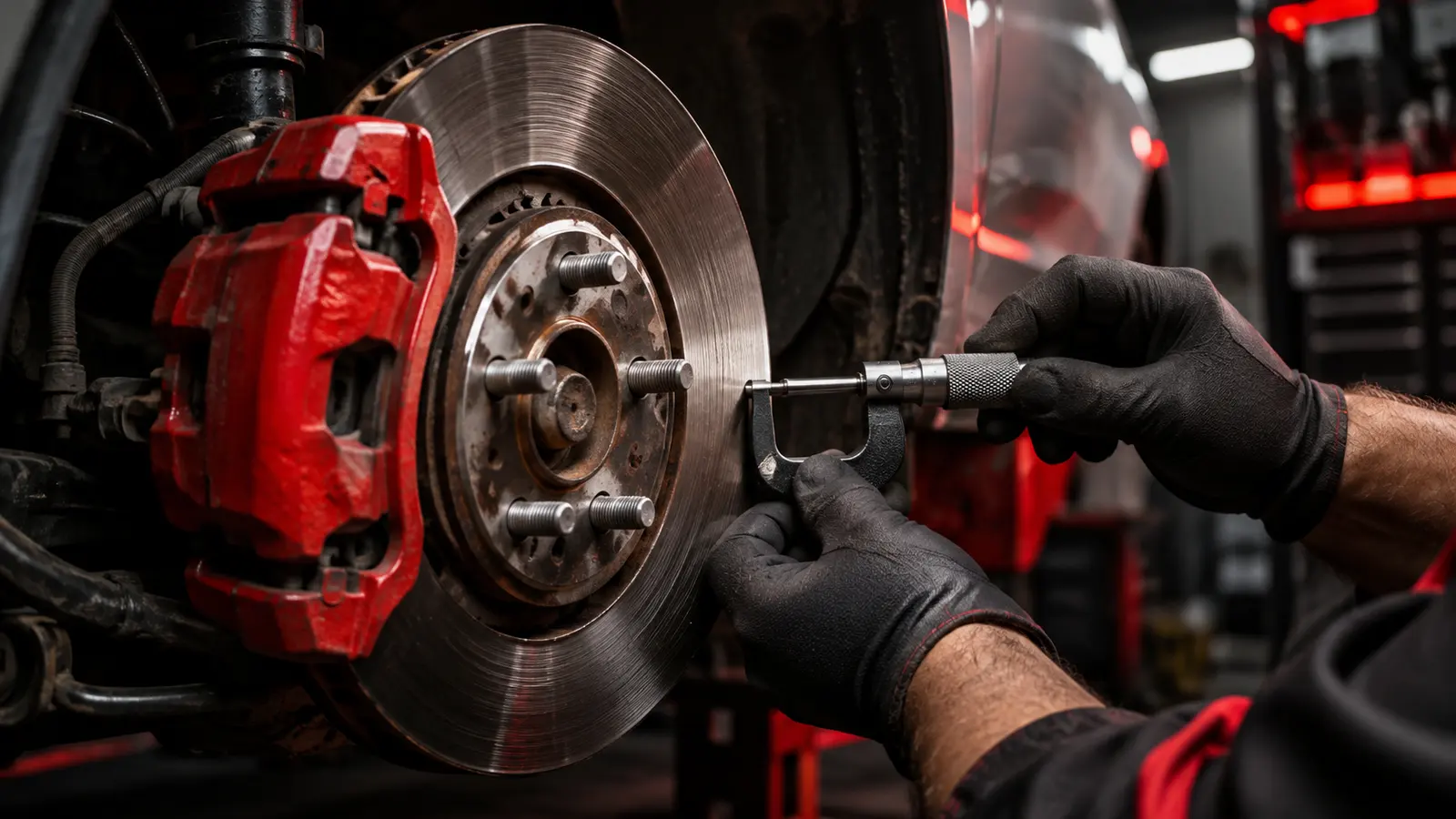
Car Brakes: The Complete Guide to How They Work, Warning Signs and Maintenance
Car brakes turn the car's movement into heat. Pressing the pedal pushes brake fluid to the wheels, where pads or shoes squeeze discs or drums. This guide explains each part, what different noises and pedal feels mean, and how to keep the system safe.
Updated November 22, 2026ReadBrakesBrake Pedal Hard While Driving: Causes
If the brake pedal becomes very hard to press while the engine is running, the brake booster has lost its assistance, usually from a vacuum leak, a failed booster or a faulty vacuum pump on diesels.
Updated November 22, 2026Read Brakes
Why Does My Car Shake When I Brake? Causes and Fixes
Shaking under braking is most often uneven brake disc thickness, but calipers, tyres and suspension can cause it too. Here's how to narrow it down.
Updated November 22, 2026Read