Skip to content

Red warning light on? Stop safely first, then check what it means.

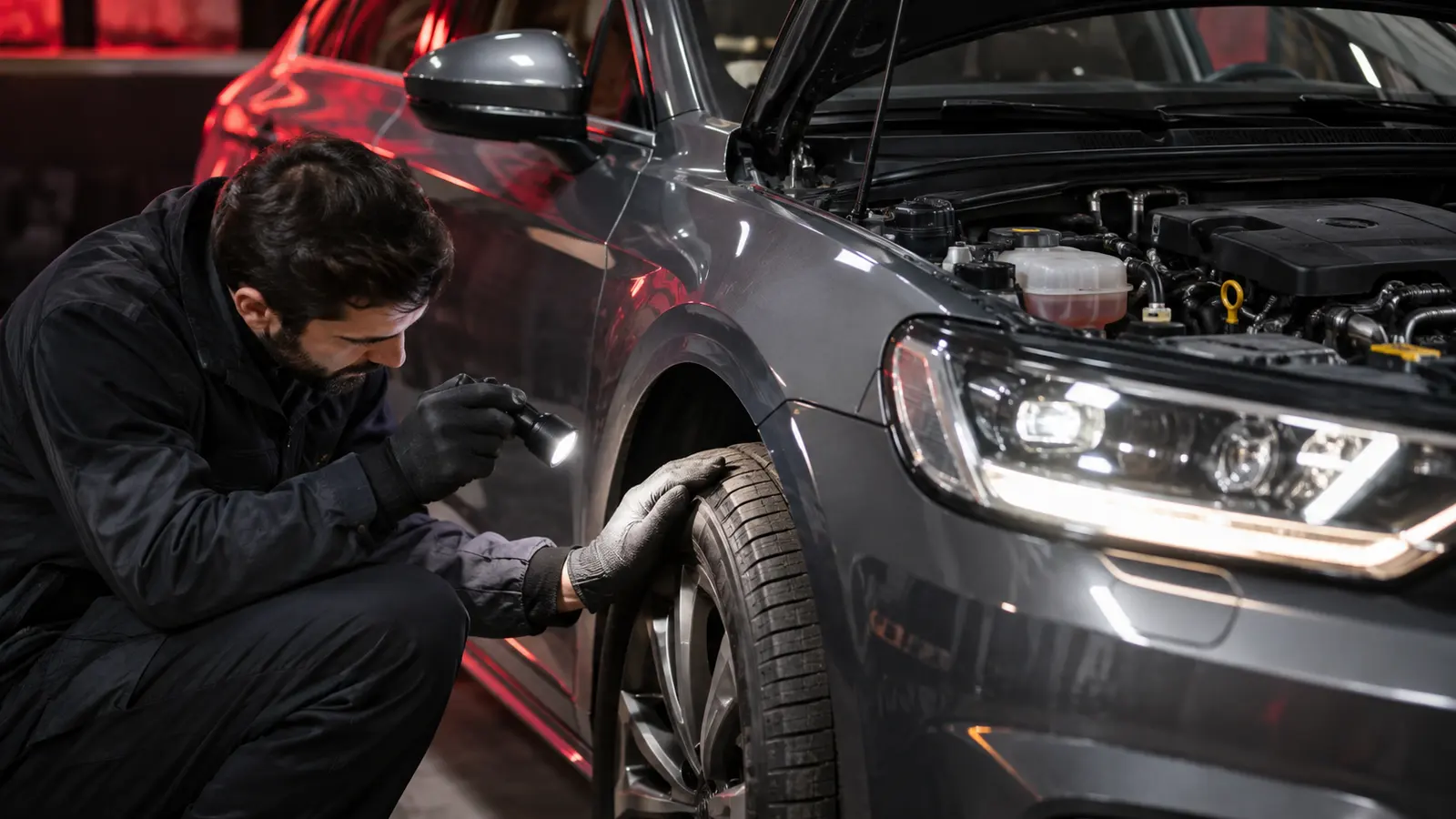
Mechanic inspecting the engine of a dark saloon car in a workshop at night

Car problems and solutions

What's wrong with my car?

Car troubleshooting, warning lights and maintenance explained in plain English, so you know what's safe, what to check and when to see a mechanic.

183

in-depth guides

43

OBD2 codes explained

26

warning lights

7

free tools

Start here

Three ways to find the answer

Start with what you can see, hear or read. Each path ends with likely causes and a safe next step.

Car repair guide

Browse common car problems by system

All guides
Winter Driving: The Complete Guide to Preparing Your Car and Driving Safely

Featured guide · Seasonal Driving

Winter Driving: The Complete Guide to Preparing Your Car and Driving Safely

Winter tests batteries, tyres and drivers. This guide brings together how to prepare your car, what to carry, how to drive on snow and ice, what to do in a skid or if you're stranded, and how cold affects EVs and fuel economy, using NHTSA and UK Highway Code advice.

Read the guide

Car troubleshooting

Latest car problems and solutions

See all

Car warning lights

What do the colours on your dashboard mean?

Most cars follow the same colour code. The colour tells you how urgent it is before you know what the symbol means.

All 26 warning lights

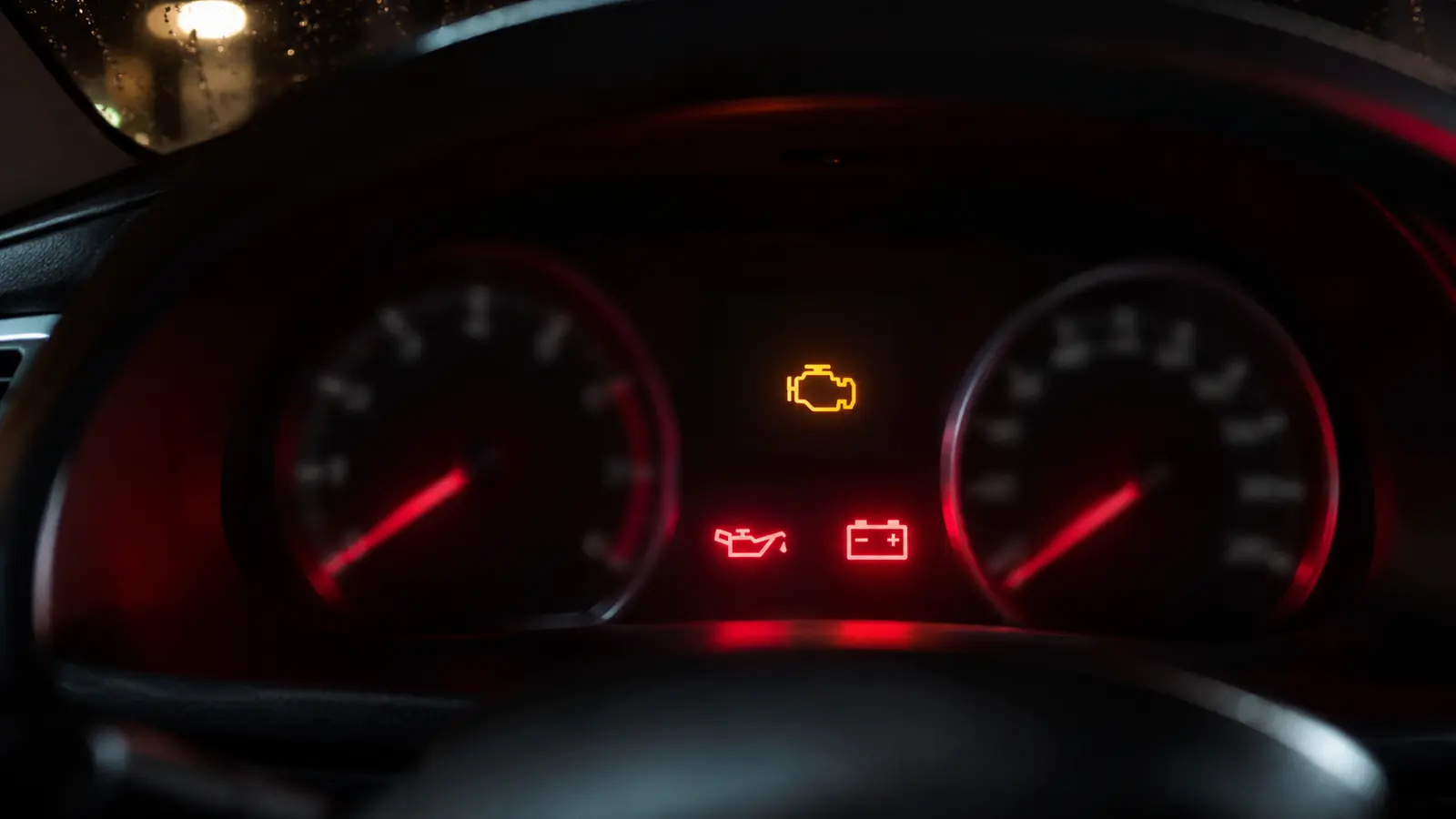
Red: stop safely

Oil pressure, engine temperature, brakes or charging. Pull over when it is safe and switch off.

Amber: check soon

Check engine, ABS, tyre pressure. The car is usually drivable, but book a diagnosis.

Green or blue: information

A system is on, like headlights, high beam or cruise control. Nothing is wrong.

Dashboard lights

Most common warning lights

Car symptoms

Check a symptom in seconds

Pick what the car is doing to see possible causes. It's for learning, not a diagnosis.

Open the checker

Starting

  • Won't start — clicking, no crank
  • Cranks but won't start

Brakes & wheels

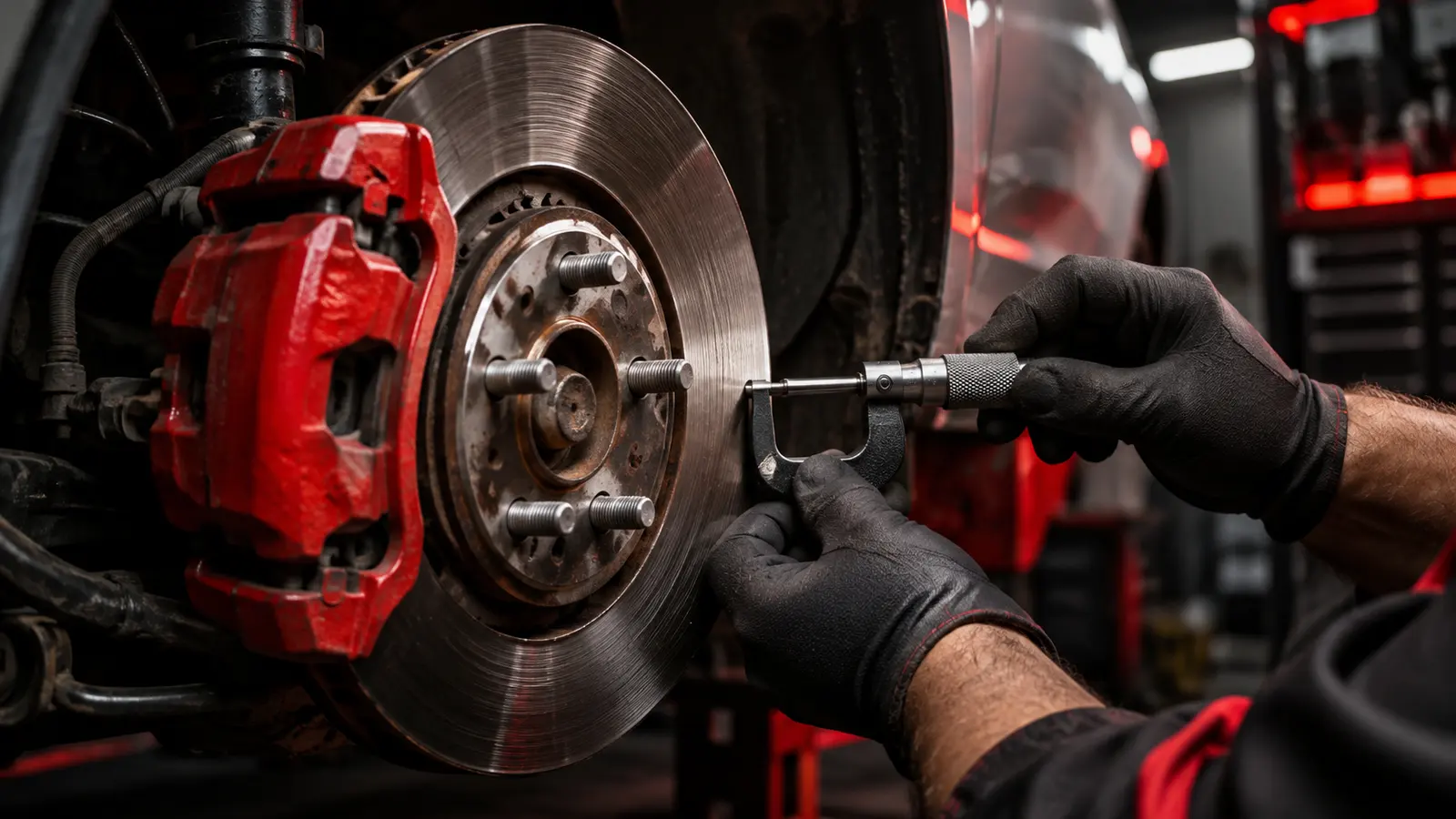
  • Shakes or vibrates when braking
  • Shakes at highway speed
  • Squealing or grinding when braking

Engine

  • Temperature gauge high / steam
  • Check engine light flashing
  • Rough idle or shaking when stopped

Electrical

  • Battery keeps going flat

AC & heating

  • AC smells sour or like vinegar
  • AC blowing warm air

Smells & leaks

  • Rotten egg / sulphur smell
  • Petrol/gas smell
  • Sweet syrup smell

Steering & suspension

  • Clicking when turning

Car shaking while driving

Where you feel the shake tells you a lot

Car leaking fluid

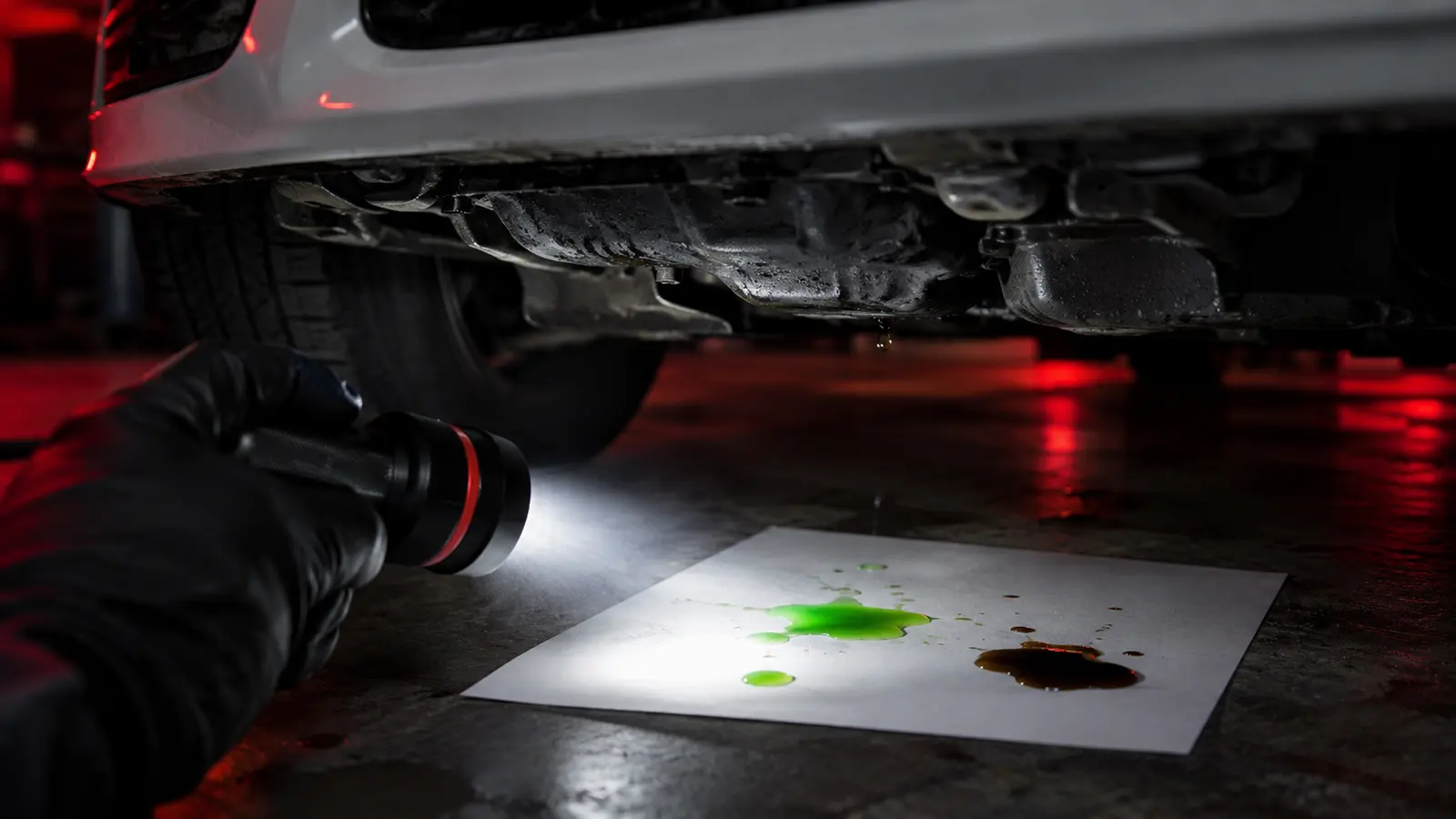
Identify a leak by its colour

Put white card under the car overnight. The colour and feel of the drip usually tell you which system is leaking.

Green, orange or pink, sweet smell

Coolant

Do: Check level when cold; find the leak soon

Red or pink, thin

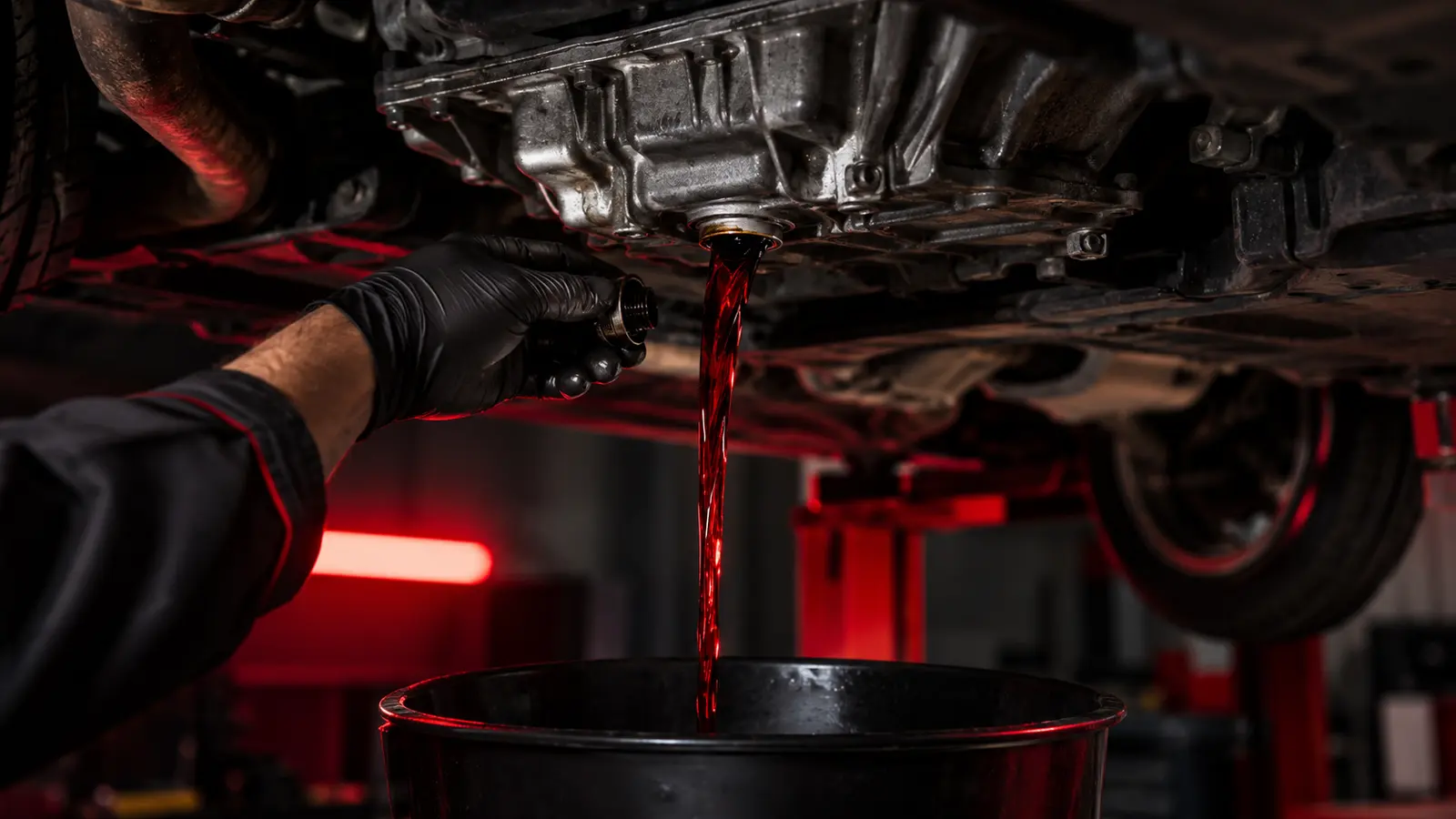
Transmission or power-steering fluid

Do: Book an inspection

Brown to black, slippery

Engine oil

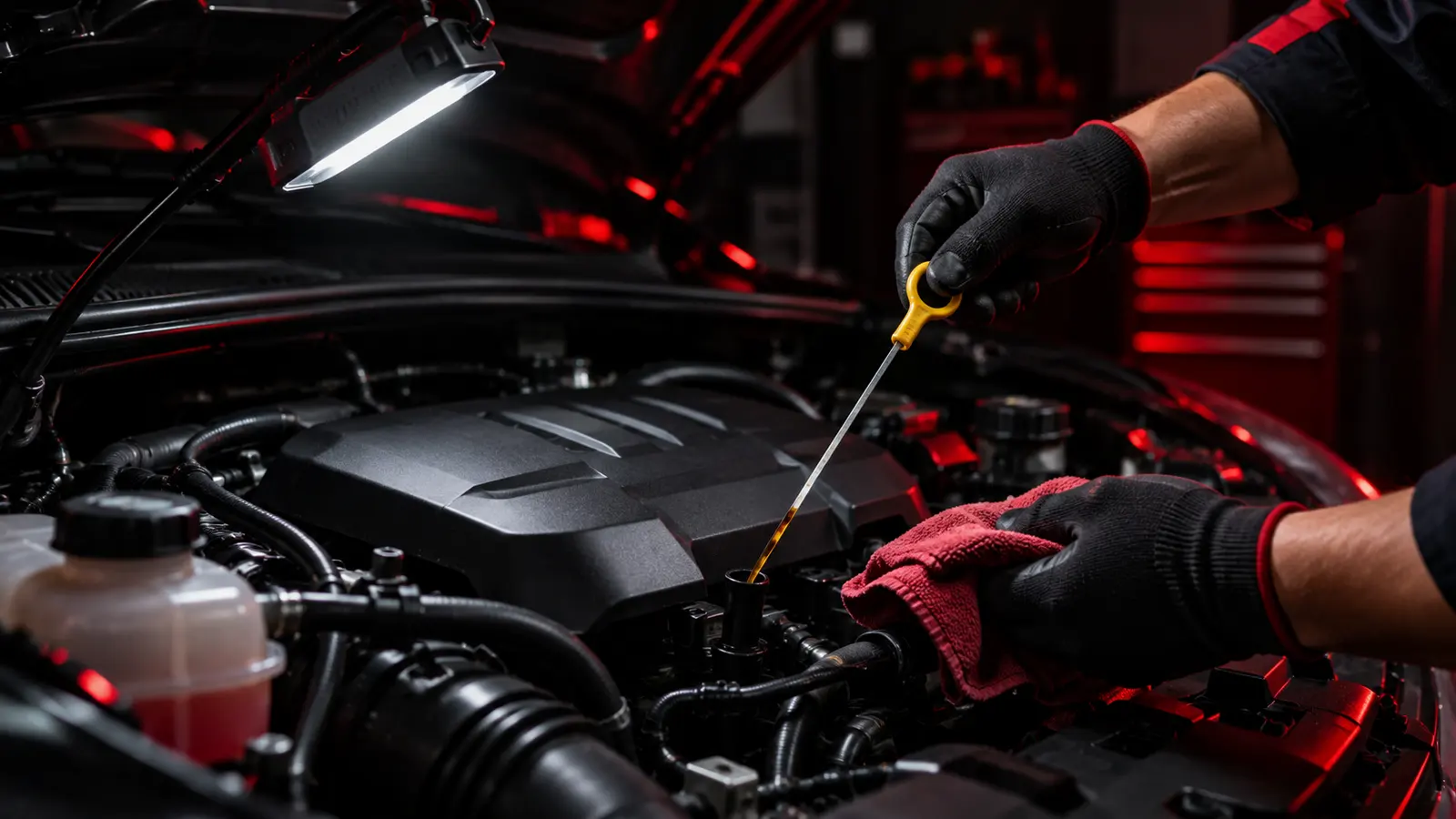
Do: Check the dipstick; fix before it gets low

Clear, like water, no smell

AC condensation — normal

Do: Nothing to do

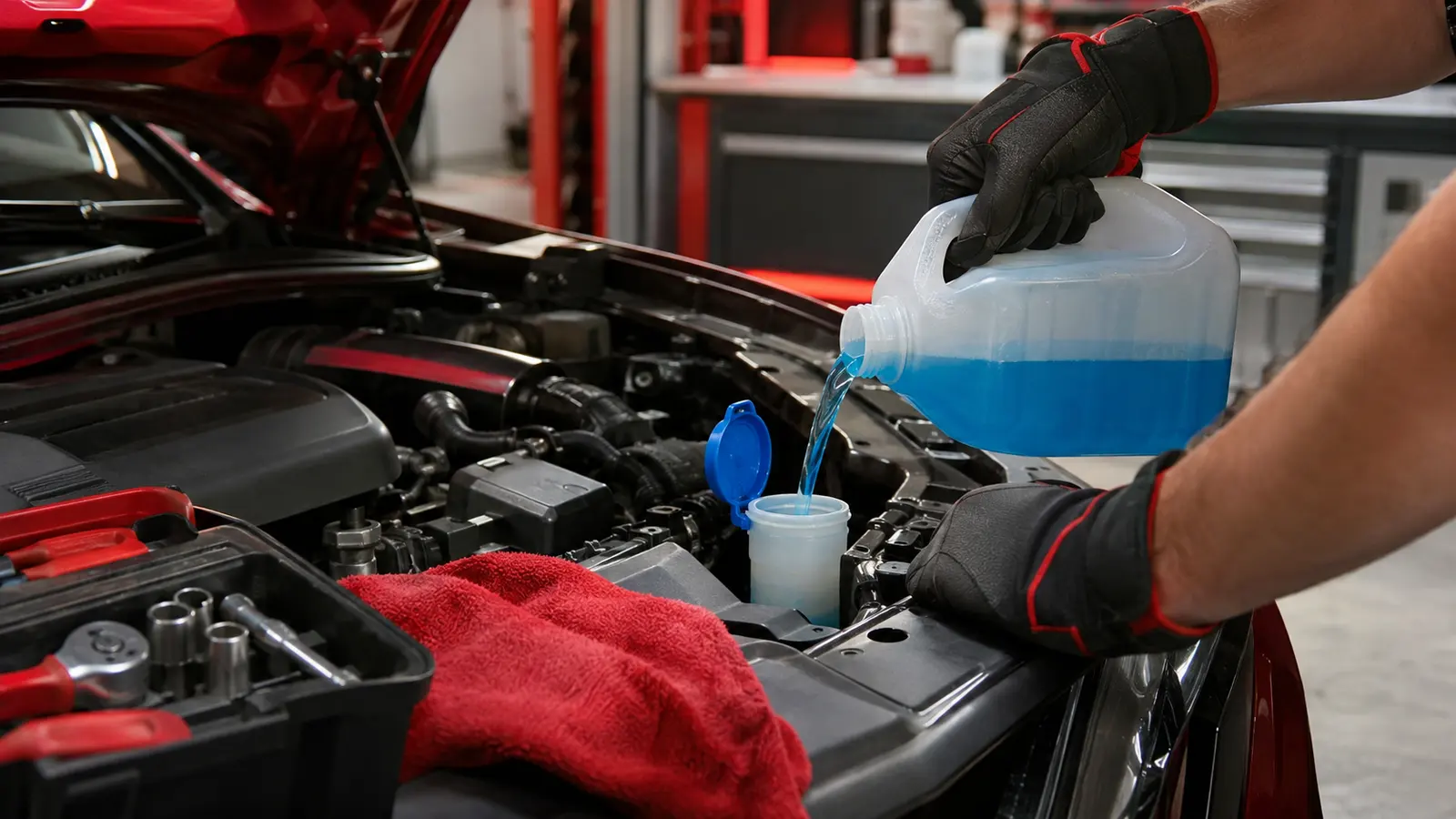
Blue

Washer fluid

Do: Check the reservoir and hoses

Clear-yellow, oily, near a wheel

Brake fluid

Do: Don't drive — brakes may fail

Car maintenance schedule

A simple car maintenance checklist

Typical intervals for most petrol and diesel cars. Your handbook's schedule always comes first, especially under warranty.

Build my schedule
  1. 1

    Every month

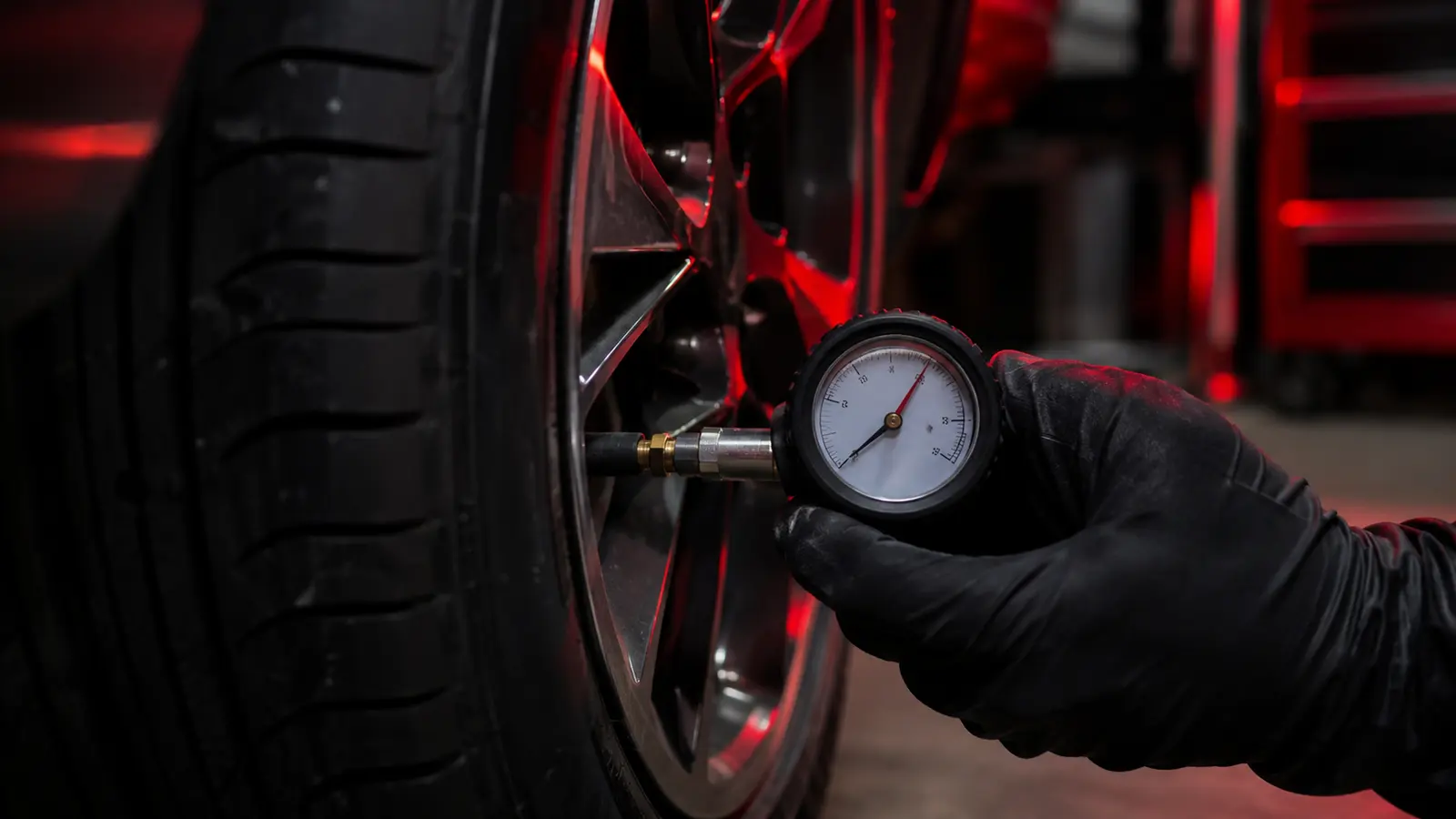
    Tyre pressures, oil level, lights, washer fluid

  2. 2

    5,000–10,000 mi (8,000–16,000 km) or yearly

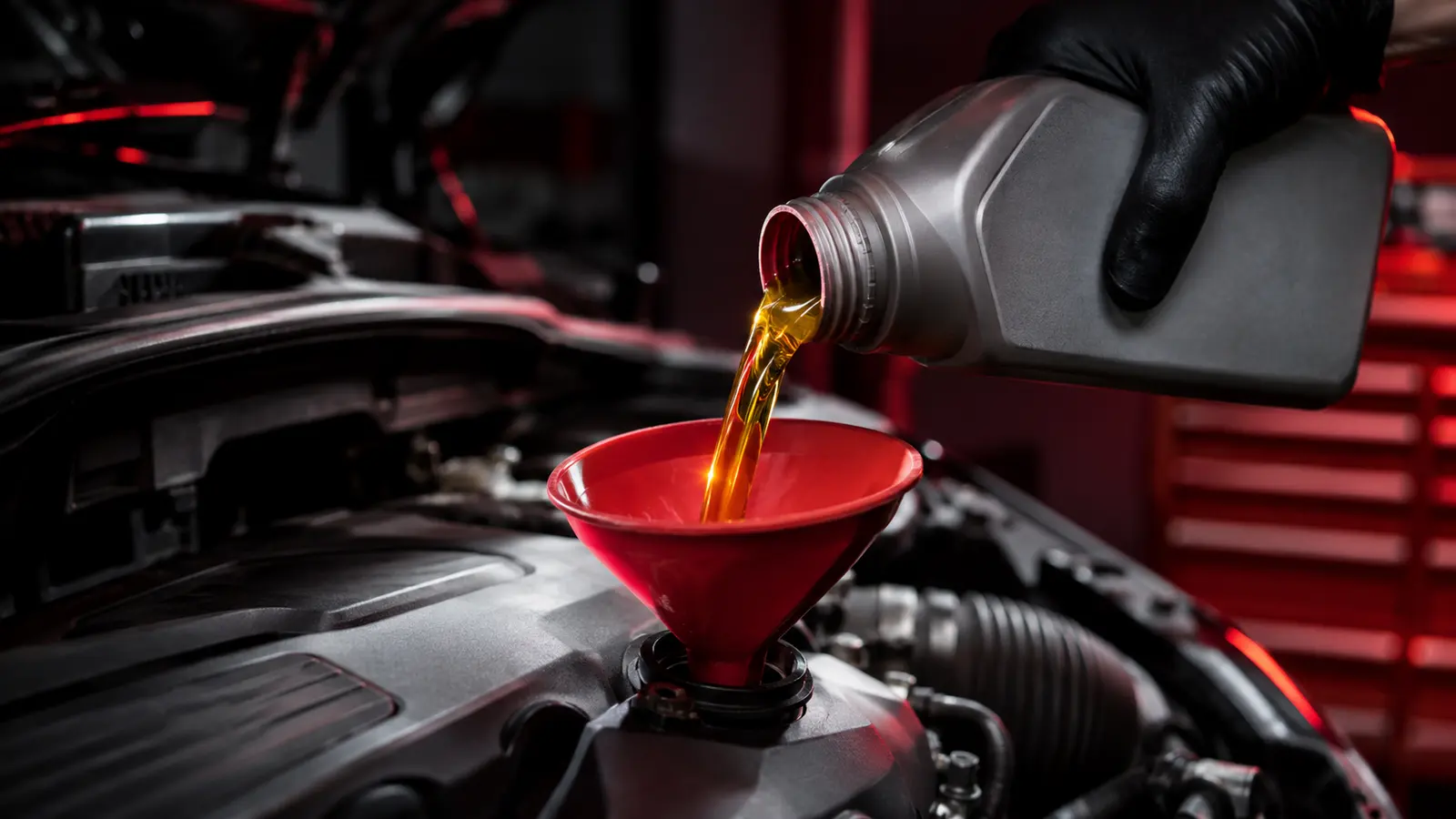
    Engine oil and filter (follow the oil-life monitor if fitted)

  3. 3

    Every 6–12 months

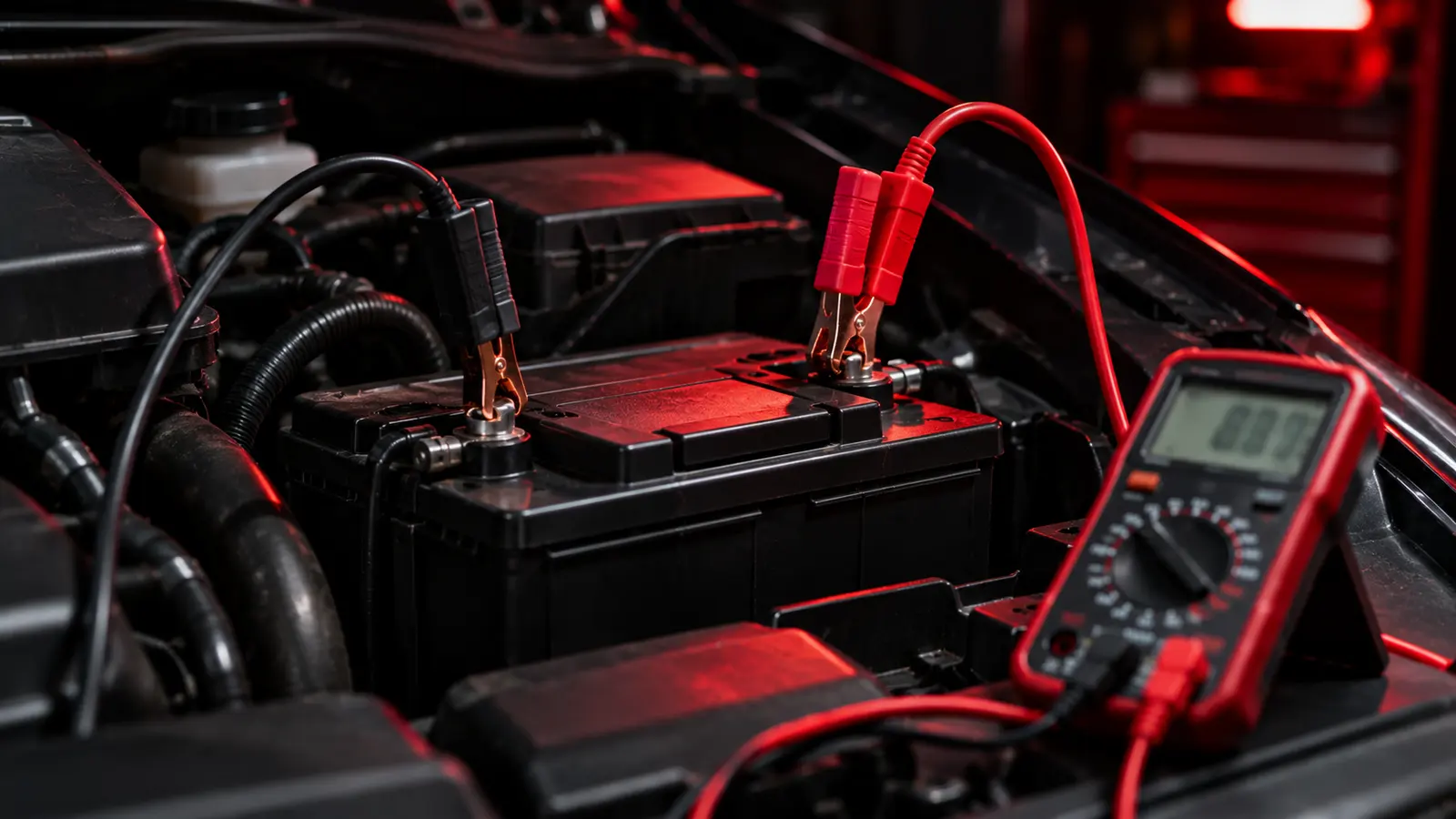
    Wiper blades, tyre rotation on many cars, battery test once it's 3+ years old

  4. 4

    15,000–30,000 mi (25,000–50,000 km)

    Cabin and engine air filters

  5. 5

    About every 2 years

    Brake fluid on most cars

  6. 6

    30,000–100,000 mi depending on type

    Spark plugs; timing belt at the maker's interval if fitted

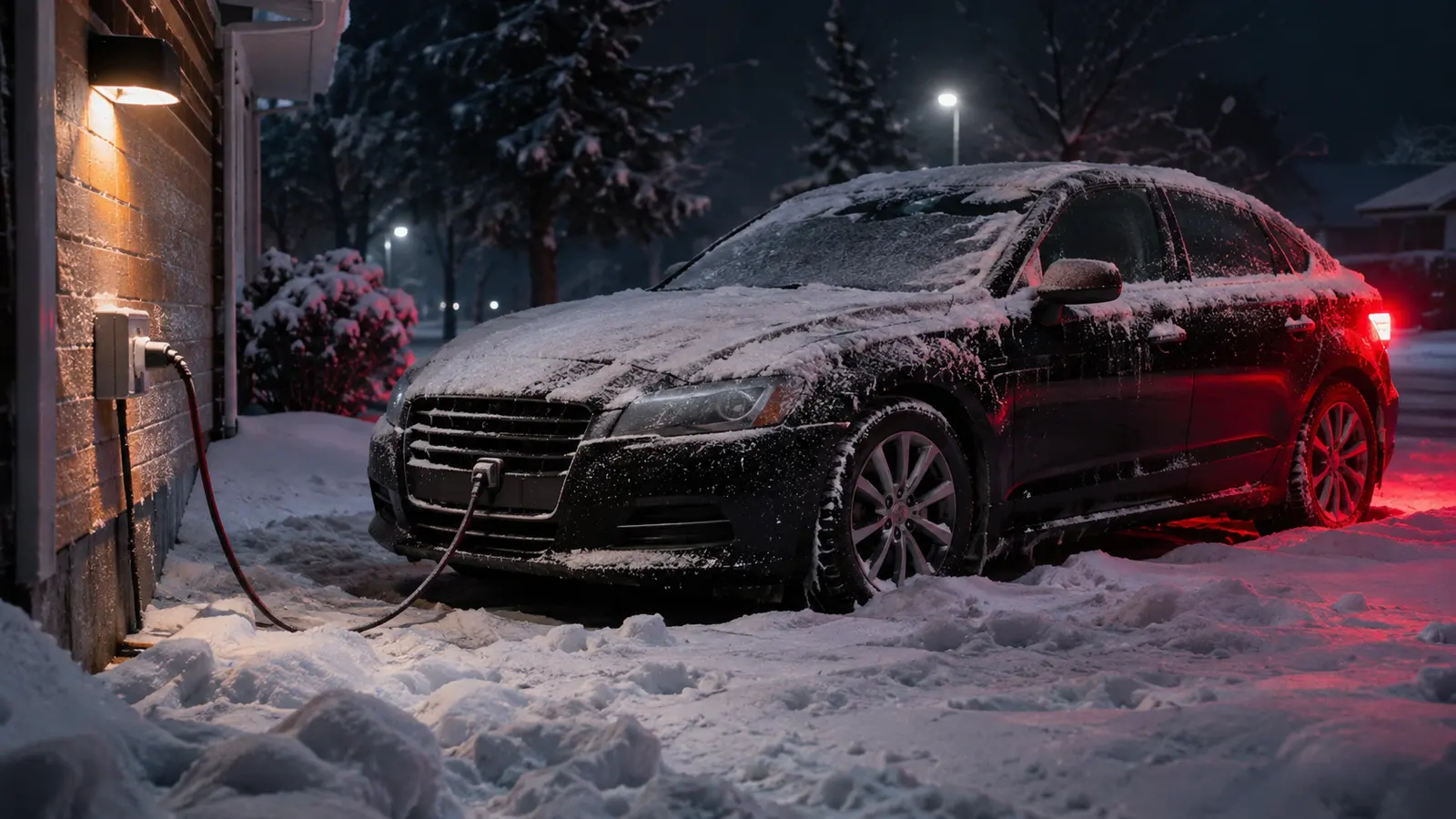
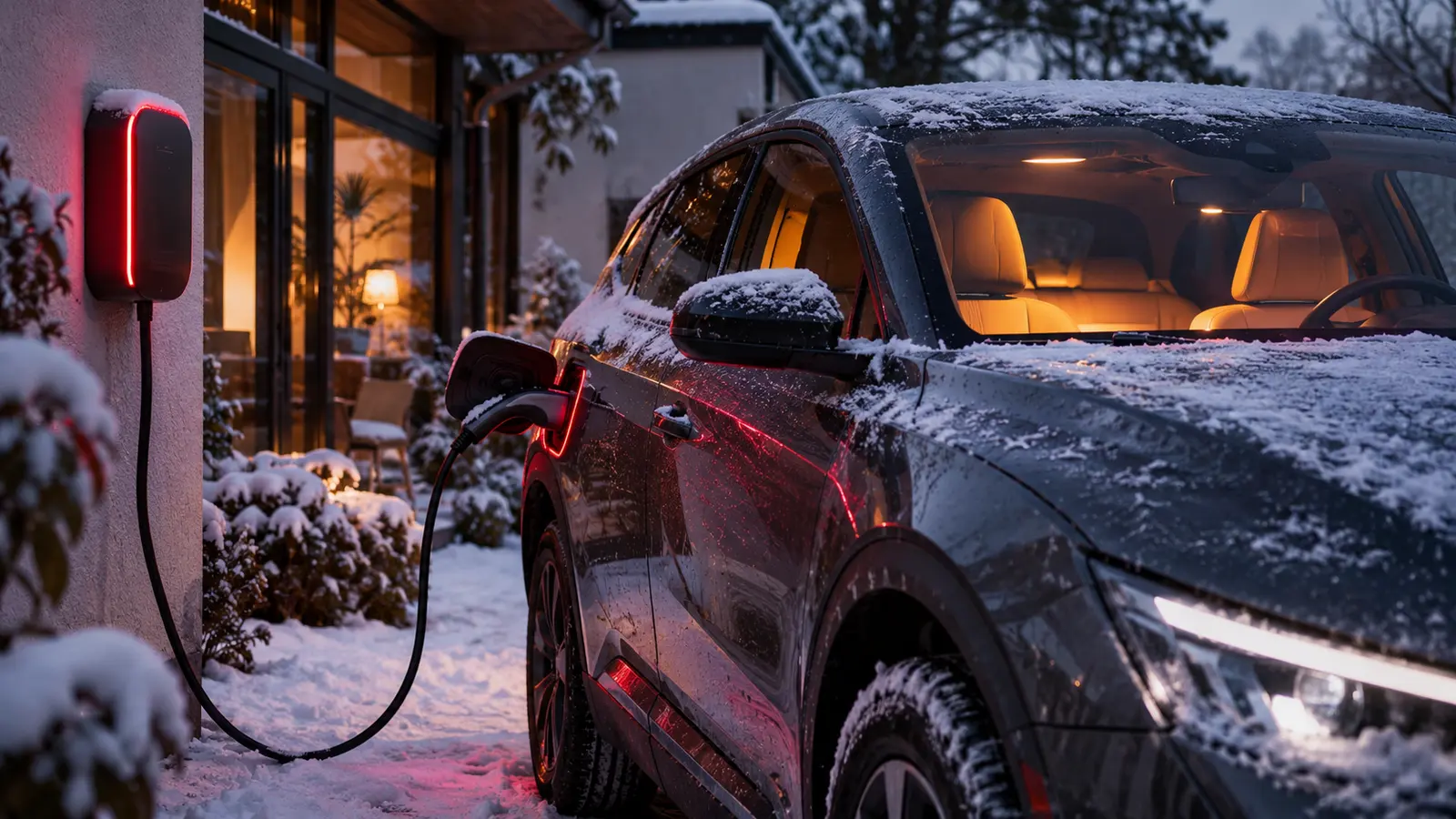
Car parked in snow at night with a block heater cord plugged in

Seasonal

Winter car maintenance

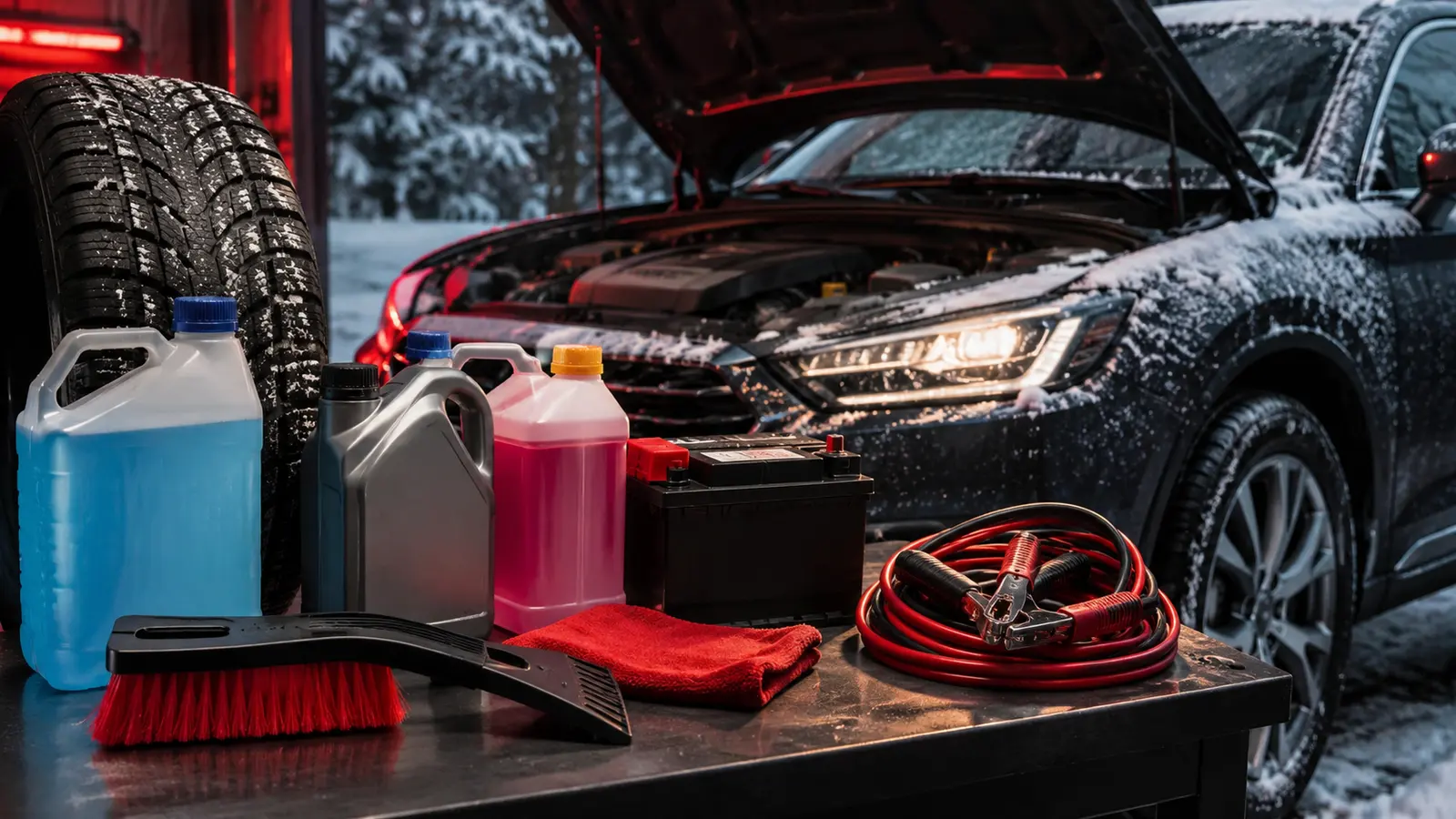
Cold weather cuts battery cranking power and thickens oil. Test the battery before the first frost, fit winter tires where required and keep the tank above half.

  • Battery load test
  • Winter tires and tread depth
  • Antifreeze strength
  • Winter screen wash
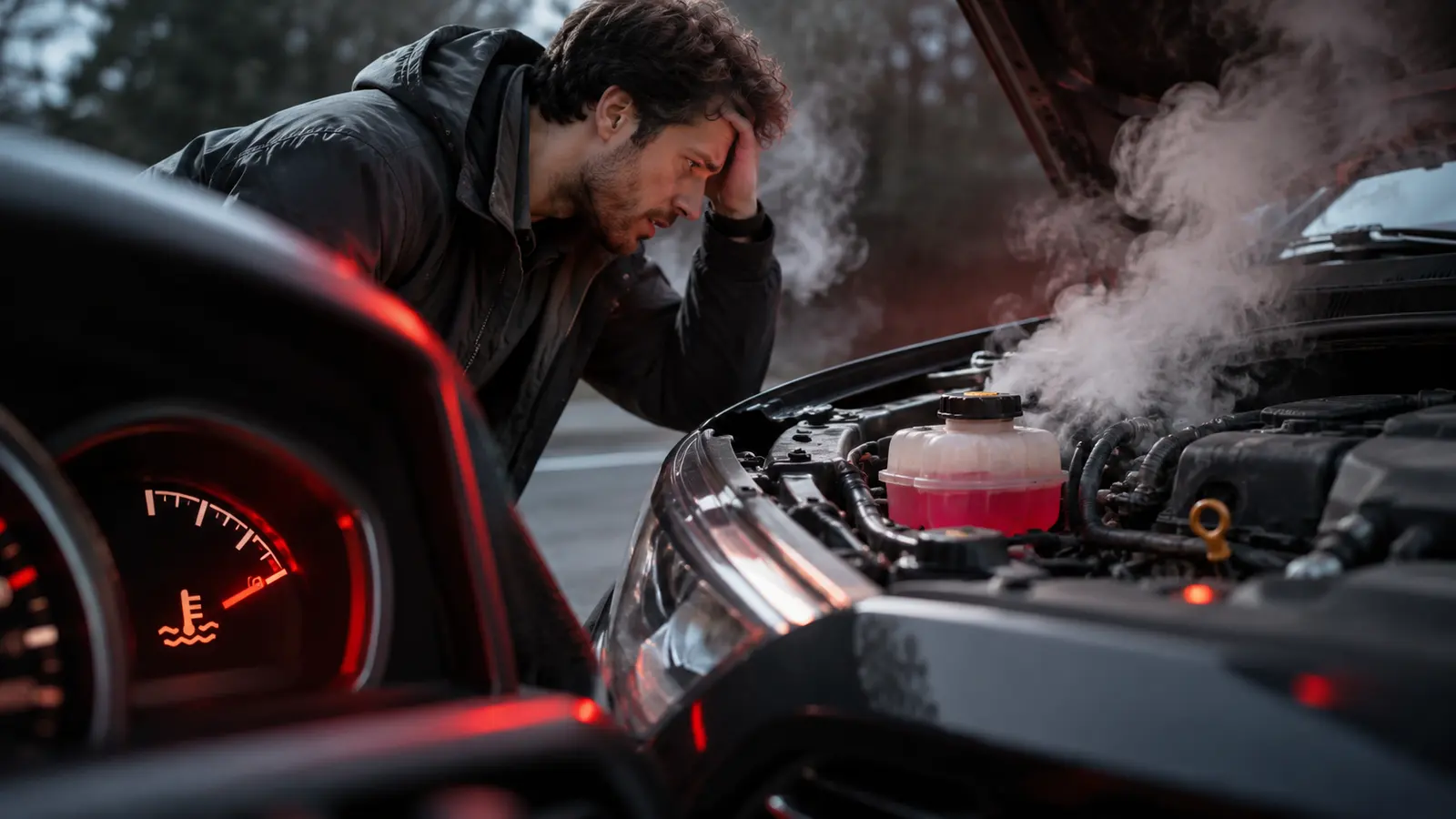
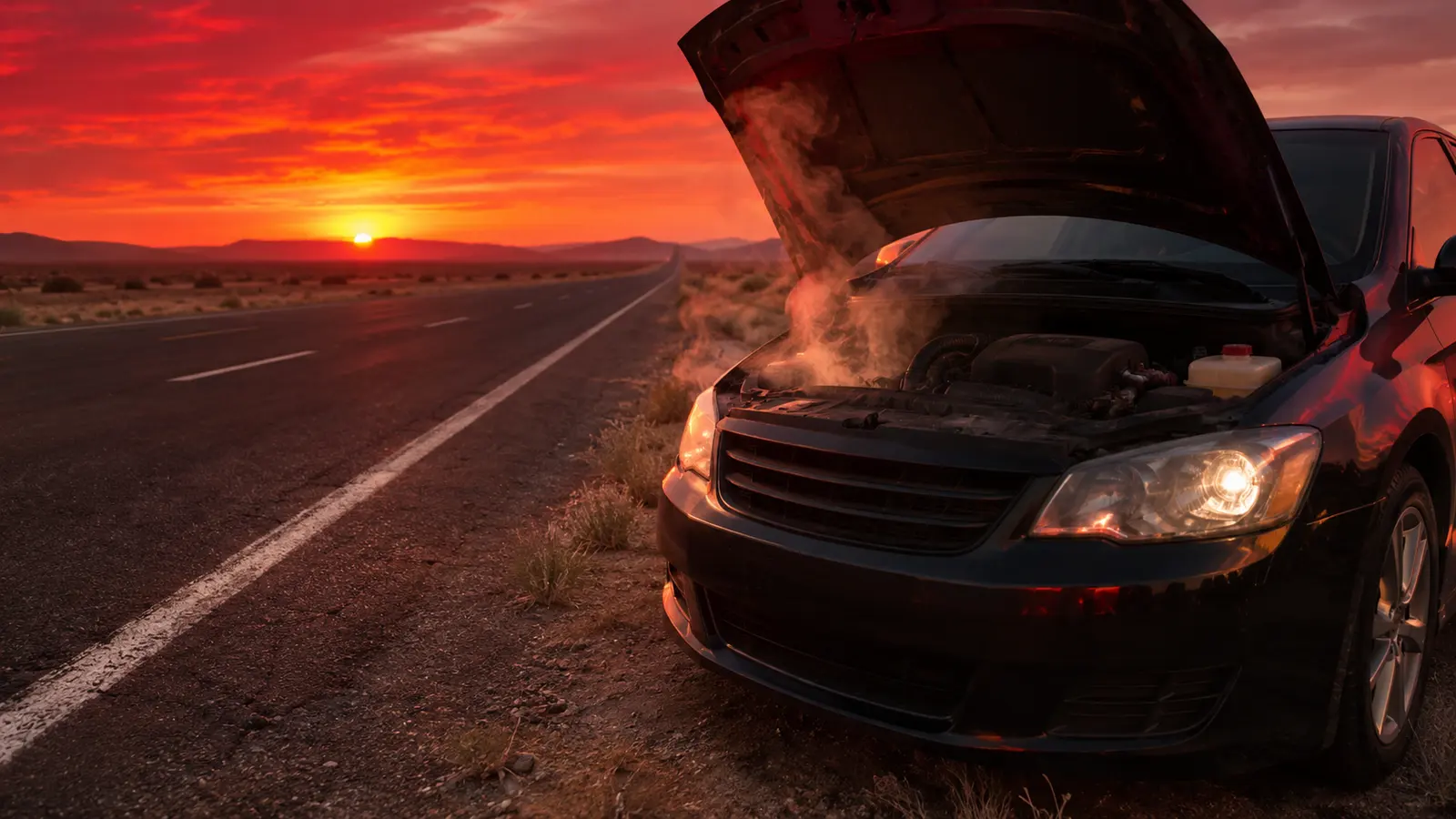
Car stopped on a desert roadside with steam rising from the open bonnet

Seasonal

Summer and heat

Heat is hard on cooling systems, AC and batteries. Check coolant and fans before long trips and watch the temperature gauge in traffic.

  • Coolant level (engine cold)
  • Radiator fan works
  • AC blowing cold
  • Tyre pressures when cold

Wherever you drive

Advice for your country

Rules, climate and terms differ. These hubs cover what changes where you live.

Signs your car needs a mechanic

Can I still drive it?

A quick way to judge urgency. When in doubt, don't drive. Get the car checked.

Stop now

  • Red oil or temperature light
  • Steam from under the bonnet
  • Brake pedal sinks or feels soft
  • Strong fuel smell
  • Flashing check engine light with shaking

Get it checked this week

  • Steady check engine light
  • Shaking when braking
  • Squealing brakes
  • Battery slow to crank
  • ABS or tyre pressure light

Keep an eye on it

  • AC smells musty
  • A new rattle over bumps
  • Clear water drip from the AC
  • Washer fluid light
  • Slightly higher fuel use
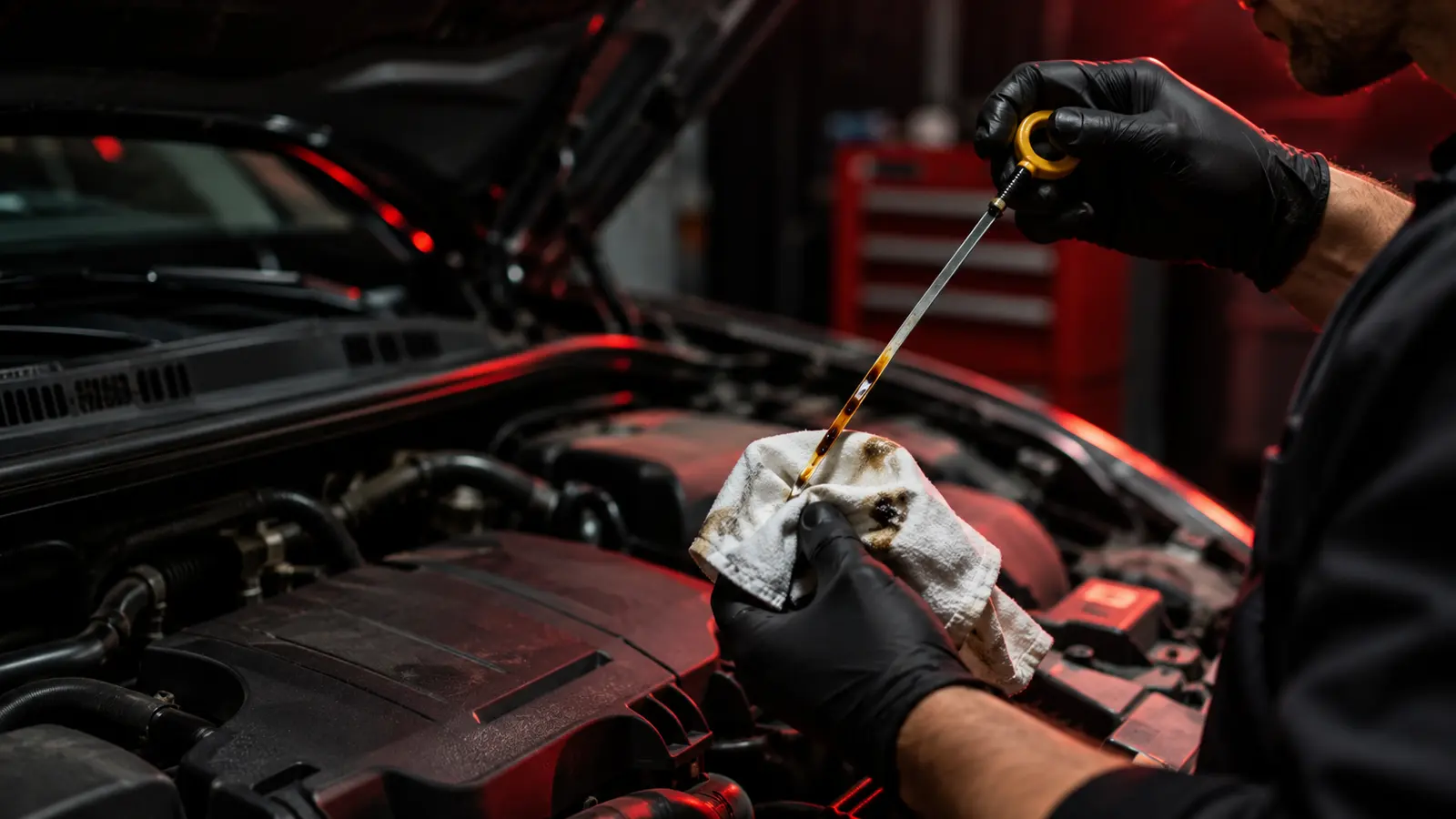
Car with its bonnet open in a dimly lit repair workshop

Find a mechanic near you

Need a garage you can trust?

Search by city, ZIP code or postcode and compare nearby repair shops by distance and Google rating, with directions in one tap.

Find a garage

Car maintenance tips you can trust

How every guide is made

Real questions

We start from what drivers actually search for in each country.

Checked sources

Facts come from manufacturer documentation, motoring organisations and named references.

Safety first

Every guide says when to stop driving and when a job needs a professional.

Kept up to date

Guides show when they were last updated, and costs are never guessed.

Read our editorial policy →

Same car, different words

Tire or tyre? Hood or bonnet?

Our guides use the words drivers use in your country. Here are the ones that trip people up most.

US & Canada

UK, Australia & NZ

Tire

Tyre

Hood

Bonnet

Trunk

Boot

Gas

Petrol

Check engine light

Engine management light

Windshield

Windscreen

Muffler

Silencer

Parking brake

Handbrake

Getting the most from AllInformations Automotive

From a strange noise to a confident next step

Start with what you notice. Most car problems announce themselves as a sound, a smell, a vibration or a light on the dashboard. Describe it in plain words in the symptom checker or browse the problem hubs, and you'll be pointed to the most likely causes first, not every possible one.

Read the colour of any warning light. Red means stop safely and check, amber means book a check soon, and green or blue simply shows a system is on. Our warning lights guide explains the important ones, including why a flashing check engine light is more urgent than a steady one.

Go deeper with the complete guides. When you want to understand a whole system rather than one symptom, the complete guides cover it end to end: brakes, batteries, tyres, cooling, engine oil and more.

Safety always comes first. Every guide tells you when a problem means you should stop driving, and which checks are safe to do yourself. Brakes, steering, fuel leaks, airbags and the high-voltage parts of hybrids and electric cars are jobs for a qualified technician, and we say so clearly.

Advice that fits where you drive. Inspections, legal tyre limits, terminology and even the names of parts differ between the US, Canada, the UK, Australia, New Zealand and Ireland. Our country guides and region notes help you apply the right rules locally.

Prevention costs less than repair. Many breakdowns start as small, cheap issues: a low tyre, an old battery, a weeping coolant hose. A few minutes with our maintenance schedule and the winter driving guide can keep your car reliable through every season.

FAQ

Common questions

Quick answers about using the site and staying safe.

Is it safe to keep driving with a warning light on?

A red light means stop safely as soon as you can. An amber light usually means book a check soon. A flashing check engine light means an active misfire, so slow down and stop when it's safe.

Can these guides diagnose my car?

No. They explain likely causes and safe checks so you can talk to a mechanic with confidence. Only an inspection can confirm a fault.

Why do you have separate pages for UK, Canada and Australia?

Only where the answer genuinely changes: MOT rules, extreme cold, logbook servicing or local terms. Everything else is written once and kept up to date.

Where do the repair costs come from?

We only show cost ranges that come from a named, dated source. If we don't have one for your region, we say so instead of guessing.

How do I read my car's fault codes?

Plug a cheap OBD2 scanner into the port under the dashboard (cars from 1996 in the US, 2001 petrol / 2004 diesel in the UK and EU), then look the code up in our OBD2 code lookup.

How often should I service my car?

Follow the schedule in your handbook. As a rough guide, most cars need an oil service every 5,000–10,000 miles or once a year, whichever comes first.

Don't guess. Know what your car is telling you.

Search over 183 car repair and maintenance guides, 26 warning lights and 43 fault codes.