
Why Does My Car Smell Like Gas (Petrol)?
Part of: Car Smells: What Each One Means · Car Leaking Fluid: Identify It by Colour
Quick answer
A fuel smell can be as simple as a loose fuel cap or an EVAP fault, but it can also be a leaking fuel line or injector, which is a fire risk. Treat it seriously.
- Topic
- Engine Problems
- Sections
- 9
- Reading time
- 2 min
- Applies to
- All regions
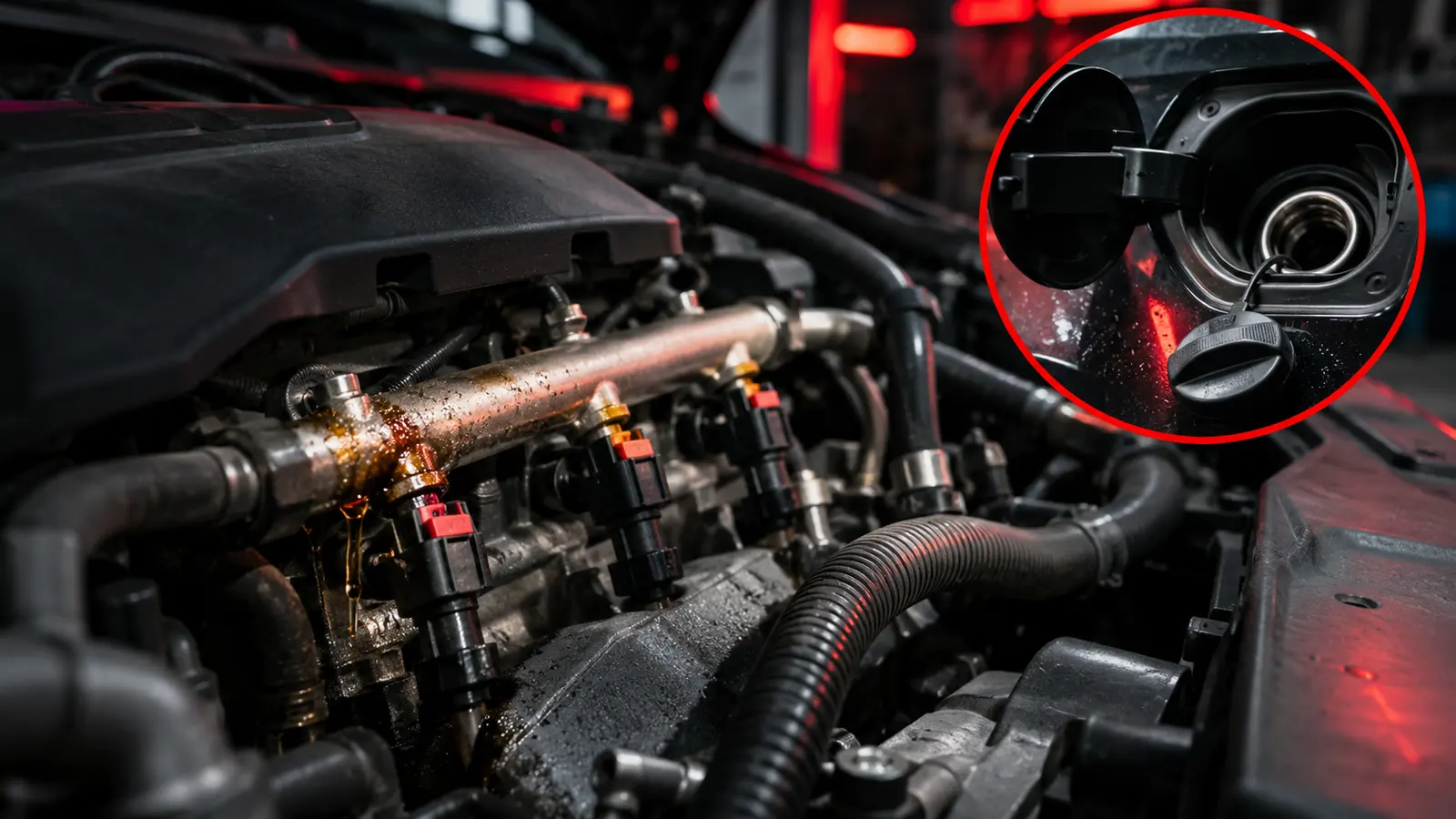
If your car smells like gas (petrol), the cause can be anything from a loose fuel cap to a leaking fuel line or injector seal. Because fuel near hot parts is a fire risk, treat a persistent fuel smell seriously, especially if it's strong inside the cabin or you can see drips.
Is it safe to drive?
Don't drive if you see fuel dripping, smell strong fuel inside the car, or the smell is near the engine. Park outdoors away from ignition sources and call for help. A faint smell only after refuelling is usually not urgent.
Causes at a glance
| When you smell it | Likely cause |
|---|---|
| After refuelling only | Spilled fuel, loose or damaged cap seal |
| When parked, especially in heat | EVAP leak, tank or line seep |
| On cold start from the exhaust | Rich running, normal briefly on old cars |
| Inside the cabin while driving | Fuel line or injector leak (stop) |
| With a check engine light | EVAP codes (P0455, P0456) or misfire |
Check these in order
- Look under the car for wet patches or drips. Fuel evaporates quickly and smells strong.
- Check the fuel cap clicks tight and the seal isn't cracked.
- Open the bonnet (engine cold) and sniff around the injectors and fuel rail. Don't use a naked flame.
- Read any codes. EVAP codes point to vapour leaks rather than liquid fuel.
Causes explained
Fuel cap and filler neck
A worn cap seal lets vapour escape and often sets an EVAP code.
EVAP system
Hoses, valves and the charcoal canister store fuel vapour. Leaks let vapour out, especially when the car is parked in the sun.
Fuel lines and injectors
Rubber lines and injector O-rings harden with age and can seep fuel onto hot parts. This needs prompt repair.
Rich running
If the engine sends unburnt fuel to the exhaust, you can smell it at the tailpipe.
What a mechanic will do
They'll inspect the fuel system visually, pressure-test it, smoke-test the EVAP system and read live fuel trims.
What affects the cost
A fuel cap is cheap. EVAP valves and hoses are moderate. Fuel lines and tank repairs vary with access.
How to prevent it
- Stop filling when the pump clicks off.
- Replace a worn fuel cap.
- Have fuel lines inspected on older cars.
Regional notes
US and Canadian drivers say "gas"; UK, Australian and New Zealand drivers say "petrol". Diesel smells are less flammable but still need fixing.
Related problems
Frequently asked questions
Is it dangerous to drive if my car smells of petrol?
It can be. If you see fuel dripping or the smell is strong inside the car, don't drive. Fuel near hot exhaust parts is a fire risk.
Why does my car smell of petrol after filling up?
Often a little fuel on the bodywork or shoes. If it persists, check the cap seal and have the EVAP system and filler neck checked.
Can a fuel smell come from the exhaust?
Yes, a rich mixture or misfire sends unburnt fuel out the exhaust, especially on cold starts.
Tools that can help
How the parts involved work
Need a mechanic?
Find rated garages near you by city, ZIP code or postcode, with directions.
About this guide
Written by Editorial Team using manufacturer documentation, government road-safety guidance and motoring-organisation advice. It explains likely causes and safe checks. It is not a diagnosis. How we write and check guides.
More engine problems guides
 Engine Problems
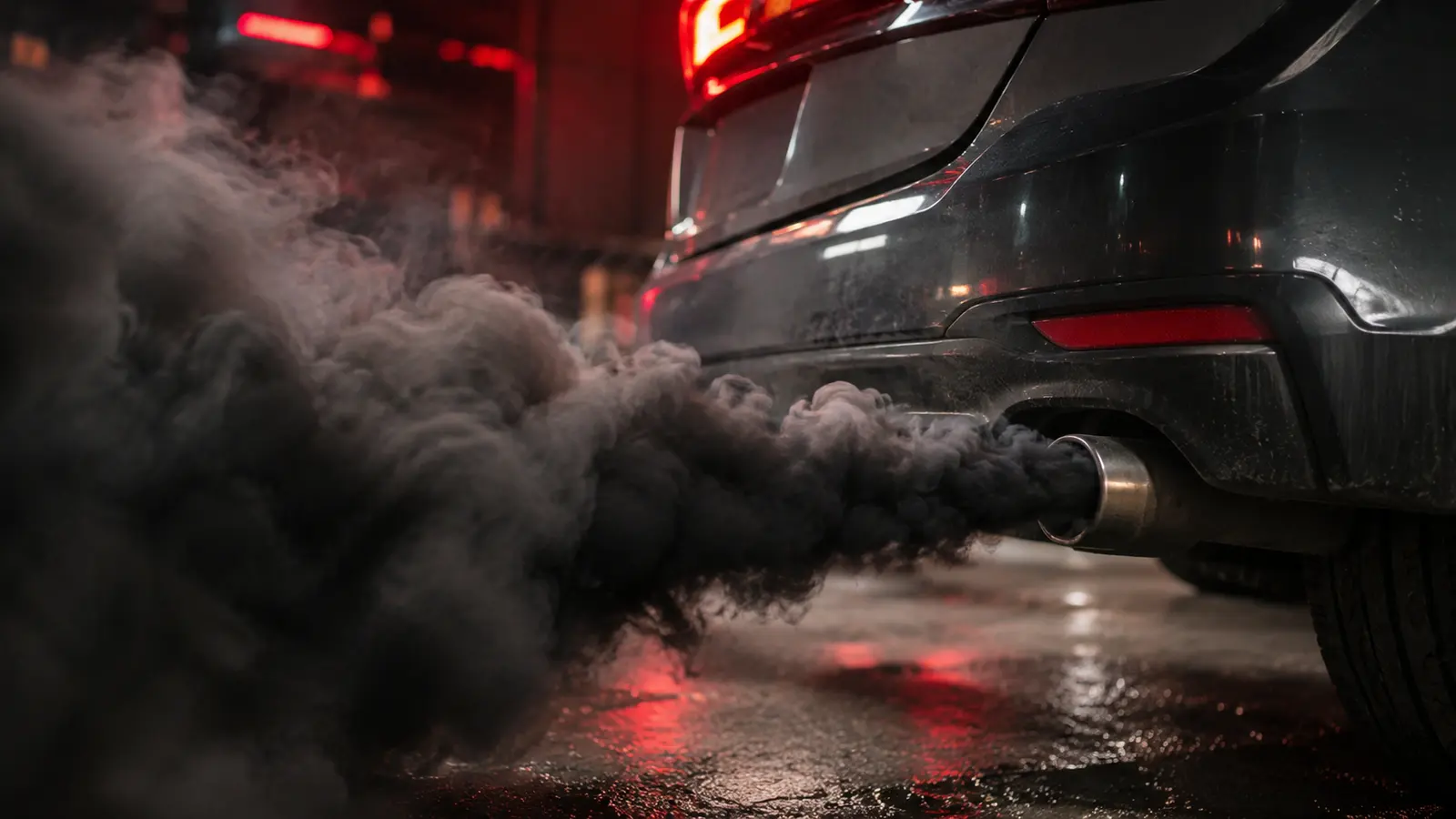
Car Exhaust and Emissions: The Complete Guide to Catalytic Converters, Sensors and Smoke
The exhaust system carries burnt gases away, cleans them with a catalytic converter (and on diesels a DPF and SCR), and quietens the engine. This guide explains each part, what different smoke colours and noises mean, catalytic converter theft, and emissions tests.
Updated November 22, 2026Read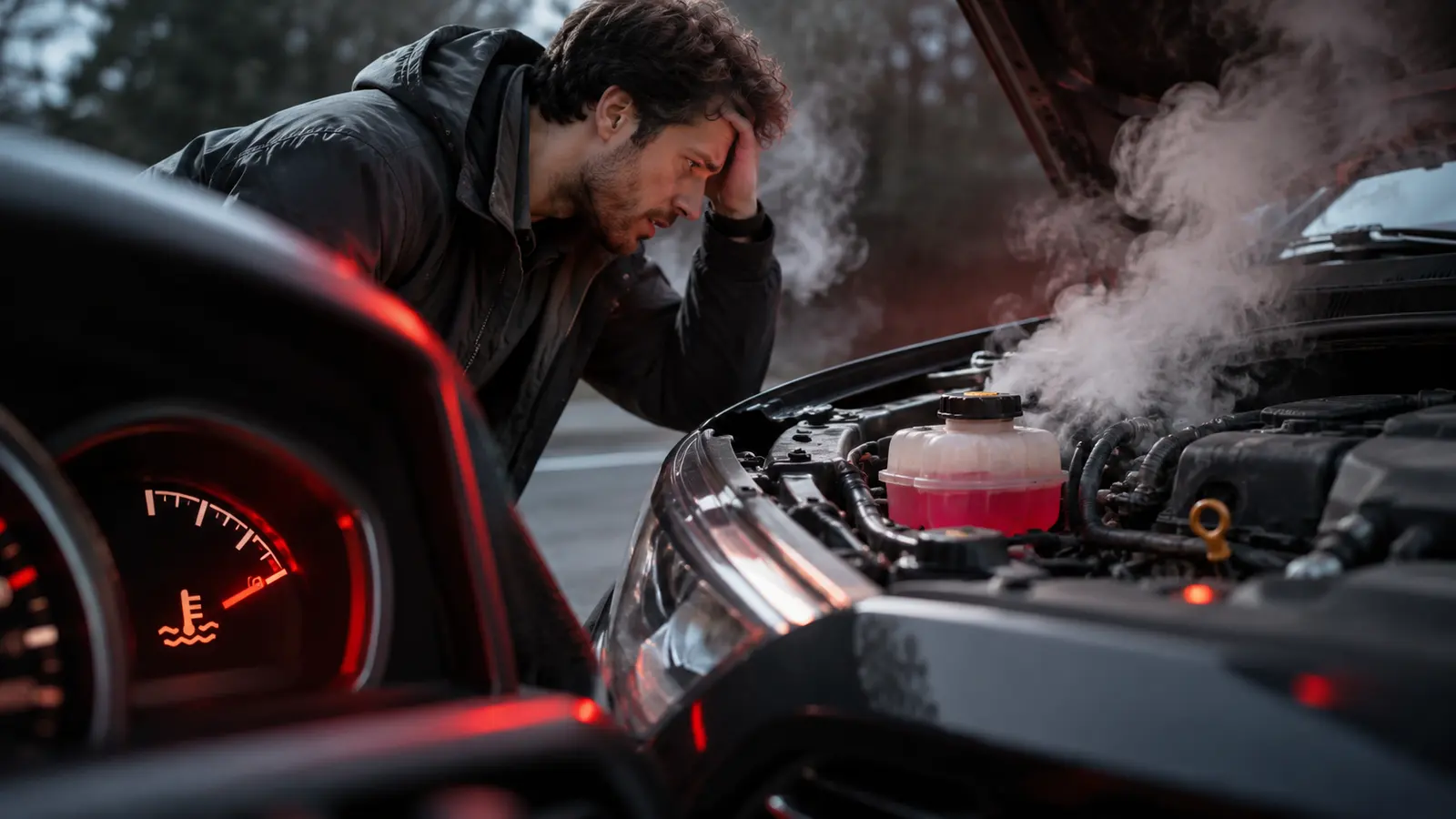 Engine Problems
Engine Cooling System: The Complete Guide to Coolant, Overheating and Repairs
The cooling system carries heat away from the engine using coolant, a water pump, a thermostat, a radiator and fans, all under pressure so coolant can run above 100 °C. This guide explains each part, why engines overheat, how to spot leaks and how to check coolant safely.
Updated November 22, 2026Read Engine Problems
Diesel Engines: The Complete Guide to How They Work, DPF, AdBlue and Care
Diesel engines ignite fuel by compression rather than a spark. Modern diesels add glow plugs, a particulate filter, AdBlue and EGR to start reliably and cut emissions. This guide explains each system, the warning lights and how to keep a diesel healthy.
Updated November 22, 2026Read