
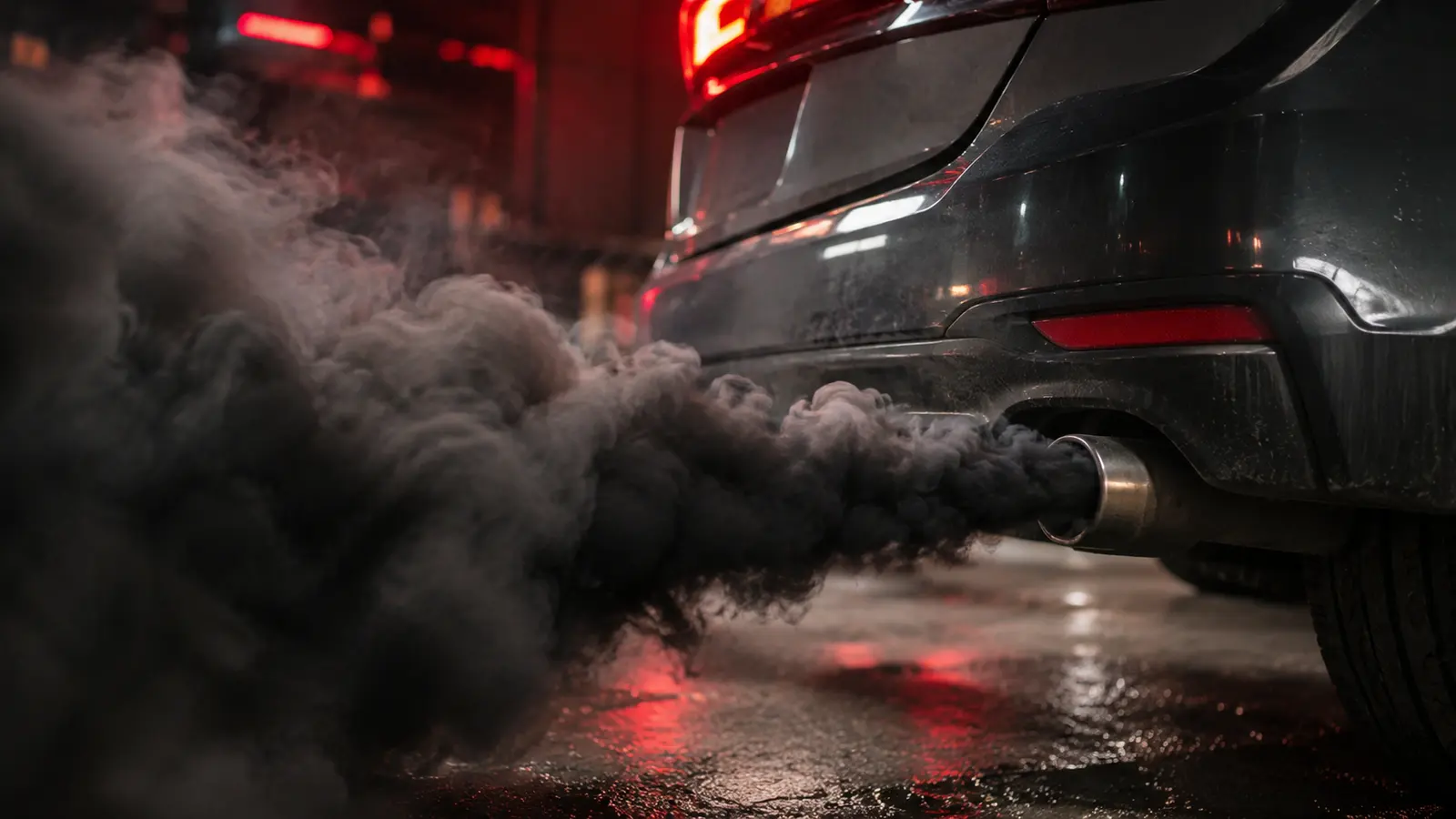
Car Exhaust and Emissions: The Complete Guide to Catalytic Converters, Sensors and Smoke
Quick answer
The exhaust system carries burnt gases away, cleans them with a catalytic converter (and on diesels a DPF and SCR), and quietens the engine. This guide explains each part, what different smoke colours and noises mean, catalytic converter theft, and emissions tests.
- Topic
- Engine Problems
- Sections
- 11
- Reading time
- 3 min
- Applies to
- All regions
A car's exhaust and emissions system carries burnt gases away from the engine, cleans them so less pollution leaves the tailpipe, and quietens the engine. Along the way it hosts sensors the engine computer relies on to run properly. This AllInformations Automotive guide explains each part, what smoke and noises mean, and how emissions testing works.
The parts of an exhaust system
Exhaust manifold
Collects gas from each cylinder. Cracks or failed gaskets here often tick when the engine is cold. See exhaust manifold.
Catalytic converter
Chemically cleans the exhaust. See catalytic converter.
Oxygen sensors
Measure oxygen in the exhaust so the engine can adjust its fuel mix. See oxygen sensor.
Silencer (muffler) and pipes
Reduce noise and route gas to the rear. See muffler.
Hangers and heat shields
Rubber hangers support the system; heat shields protect the floor. Loose shields often rattle. See car rattles at idle.
How the catalytic converter works
Three-way conversion
Modern petrol cars use three-way catalytic converters, which reduce carbon monoxide, unburned hydrocarbons and oxides of nitrogen. Three-way converters became near-universal when tighter US nitrogen-oxide rules arrived in the early 1980s.
Why the fuel mix matters
The converter works best when the air-fuel mixture is kept very close to the right ratio. That's why engines run closed-loop control using oxygen sensors at light to moderate load.
Signs of trouble
Rotten-egg smells, rattling, power loss and the P0420 code are common. See symptoms of a bad catalytic converter and car smells like rotten eggs.
Theft
Converters contain valuable metals, and welded-on units can be cut off quickly. A sudden very loud exhaust can mean yours has been stolen.
Oxygen sensors
Upstream and downstream
An upstream sensor controls fuelling; a downstream sensor checks the converter is working. See symptoms of a bad oxygen sensor.
Effect on economy
A failing sensor can make the engine run rich, wasting fuel and harming the converter.
Diesel emissions systems
DPF, SCR and AdBlue
Diesels add a particulate filter for soot and an SCR system using AdBlue to cut nitrogen oxides. See diesel engines: the complete guide.
Catalytic converter vs DPF
See catalytic converter vs DPF.
EGR
What it does
Exhaust gas recirculation sends some exhaust back into the intake to lower combustion temperatures and nitrogen oxides. Sticking EGR valves cause rough running and warning lights.
What exhaust smoke means
Smoke colours
| Colour | Likely cause |
|---|---|
| White, thin, on cold start | Normal condensation |
| White, thick, sweet smell | Coolant burning (head gasket) |
| Blue | Oil burning |
| Black | Too much fuel, air restriction, injector or turbo faults |
See white smoke, blue smoke and black smoke.
Exhaust noises
Sound guide
| Sound | Likely cause |
|---|---|
| Ticking when cold | Manifold leak |
| Loud rumble or roar | Hole in pipe or silencer, missing converter |
| Rattle underneath | Heat shield or loose clamp |
| Popping or bang | Backfire, see car backfiring |
See exhaust leak symptoms and how to check your exhaust for leaks.
Safety: carbon monoxide
Why leaks matter
Exhaust contains carbon monoxide, which the CDC describes as odourless and colourless. Symptoms include headache, dizziness and confusion. Never run an engine in a closed garage, and fix leaks that let fumes into the cabin.
Emissions tests and inspections
What testers look for
Inspections such as the UK MOT, NZ WOF and many US state programmes check emissions, leaks and warning lights. A lit check engine light or excessive smoke can fail a test. See the MOT checklist and WOF checklist.
Readiness monitors
After clearing codes, the engine computer needs several drive cycles to re-run its self-tests before an emissions test can be completed. See how to reset a car ECU.
Keeping the system healthy
Good habits
- Fix misfires promptly; unburned fuel can overheat the converter.
- Don't ignore a flashing check engine light.
- Address oil burning and coolant loss early.
- Have rattles and leaks checked before they grow.
Related guides
Frequently asked questions
What does a catalytic converter do?
A three-way catalytic converter chemically converts carbon monoxide, unburned hydrocarbons and oxides of nitrogen into less harmful gases.
Why are catalytic converters stolen?
They contain valuable metals, and welded-on converters can be cut off quickly.
Is an exhaust leak dangerous?
It can let carbon monoxide into the cabin. If you smell fumes inside the car, open the windows and get it checked.
Tools that can help
Need a mechanic?
Find rated garages near you by city, ZIP code or postcode, with directions.
About this guide
Written by Editorial Team using manufacturer documentation, government road-safety guidance and motoring-organisation advice. It explains likely causes and safe checks. It is not a diagnosis. How we write and check guides.
More engine problems guides
 Engine Problems
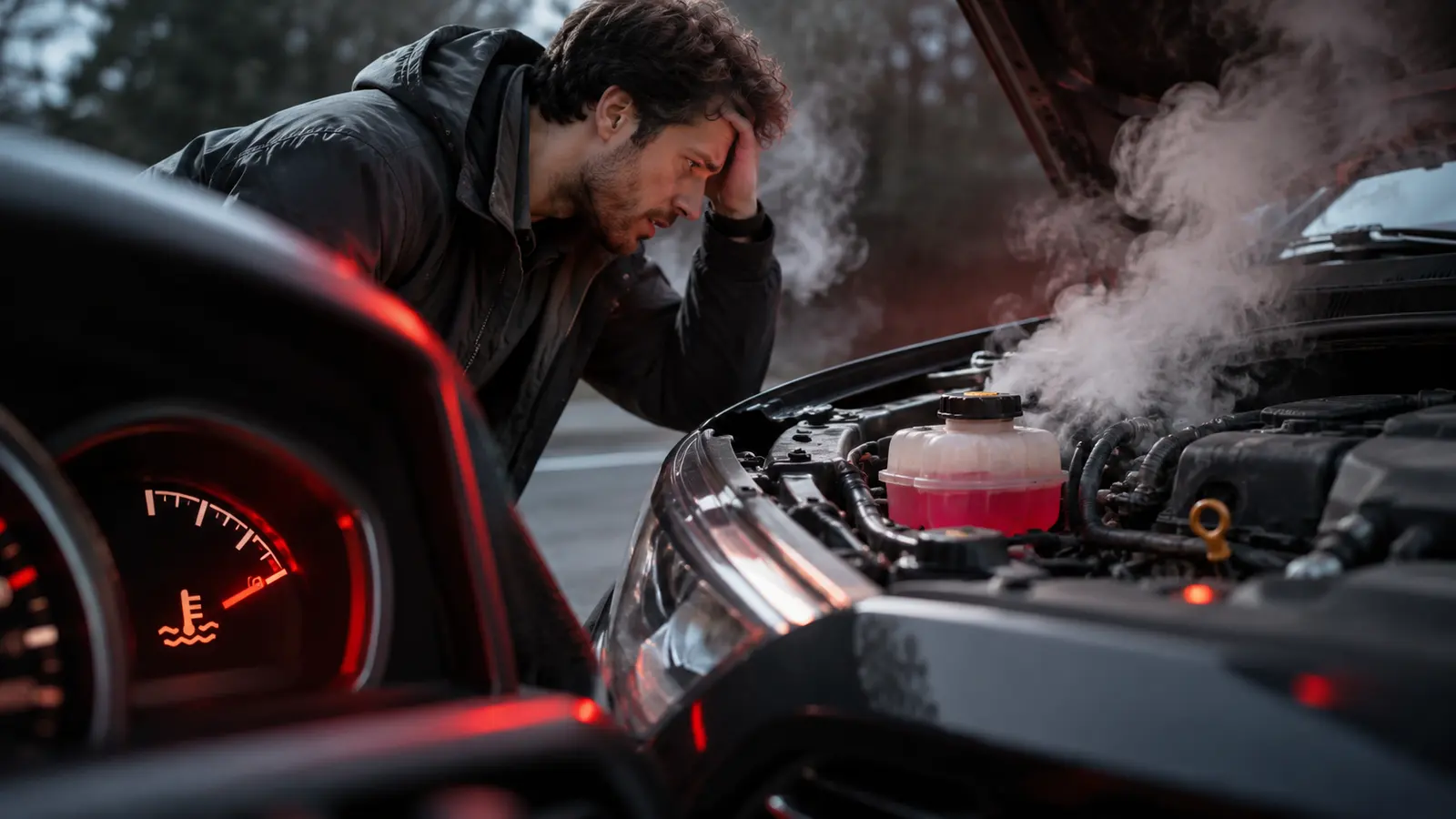
Engine Cooling System: The Complete Guide to Coolant, Overheating and Repairs
The cooling system carries heat away from the engine using coolant, a water pump, a thermostat, a radiator and fans, all under pressure so coolant can run above 100 °C. This guide explains each part, why engines overheat, how to spot leaks and how to check coolant safely.
Updated November 22, 2026Read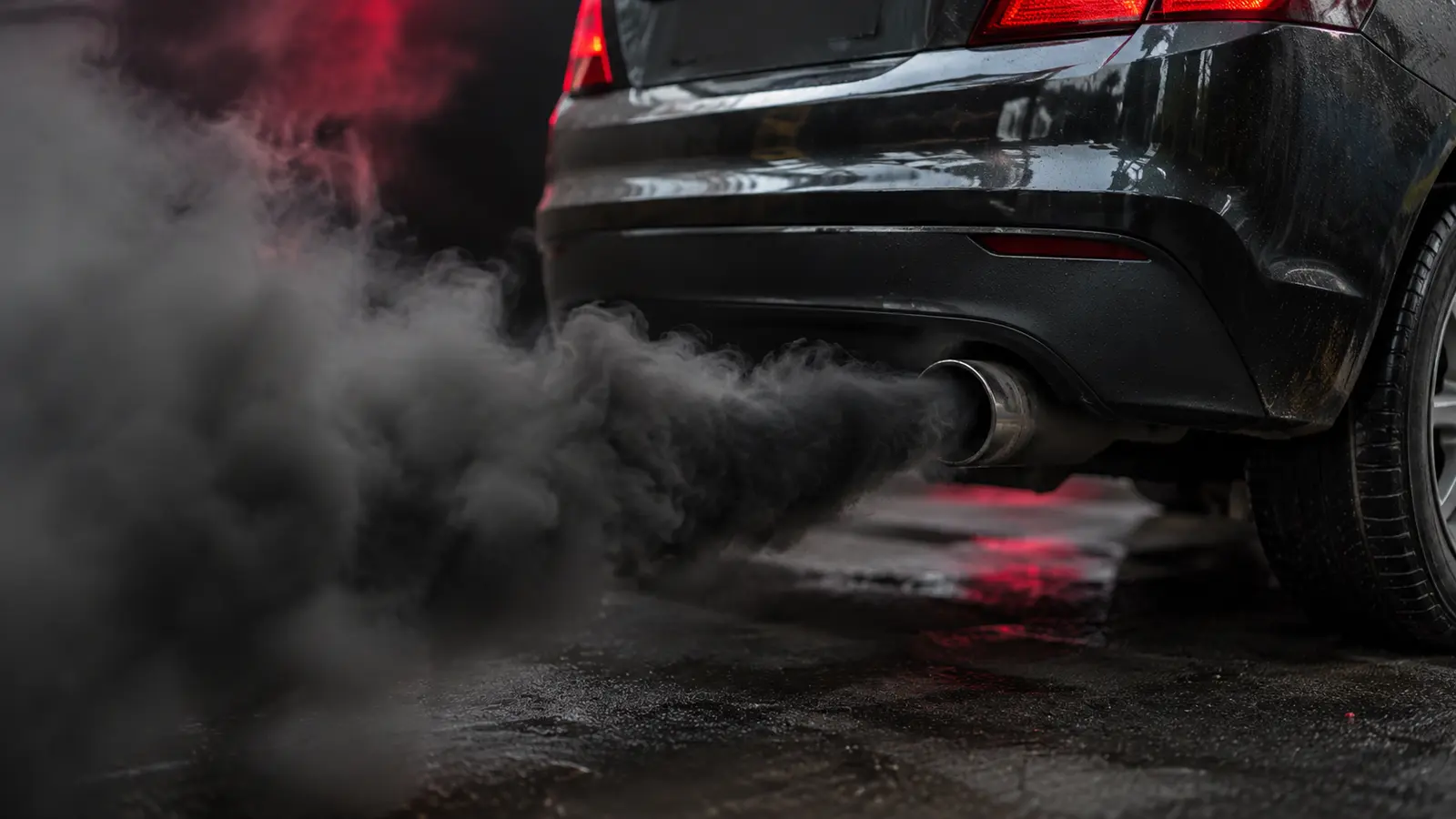 Engine Problems
Diesel Engines: The Complete Guide to How They Work, DPF, AdBlue and Care
Diesel engines ignite fuel by compression rather than a spark. Modern diesels add glow plugs, a particulate filter, AdBlue and EGR to start reliably and cut emissions. This guide explains each system, the warning lights and how to keep a diesel healthy.
Updated November 22, 2026Read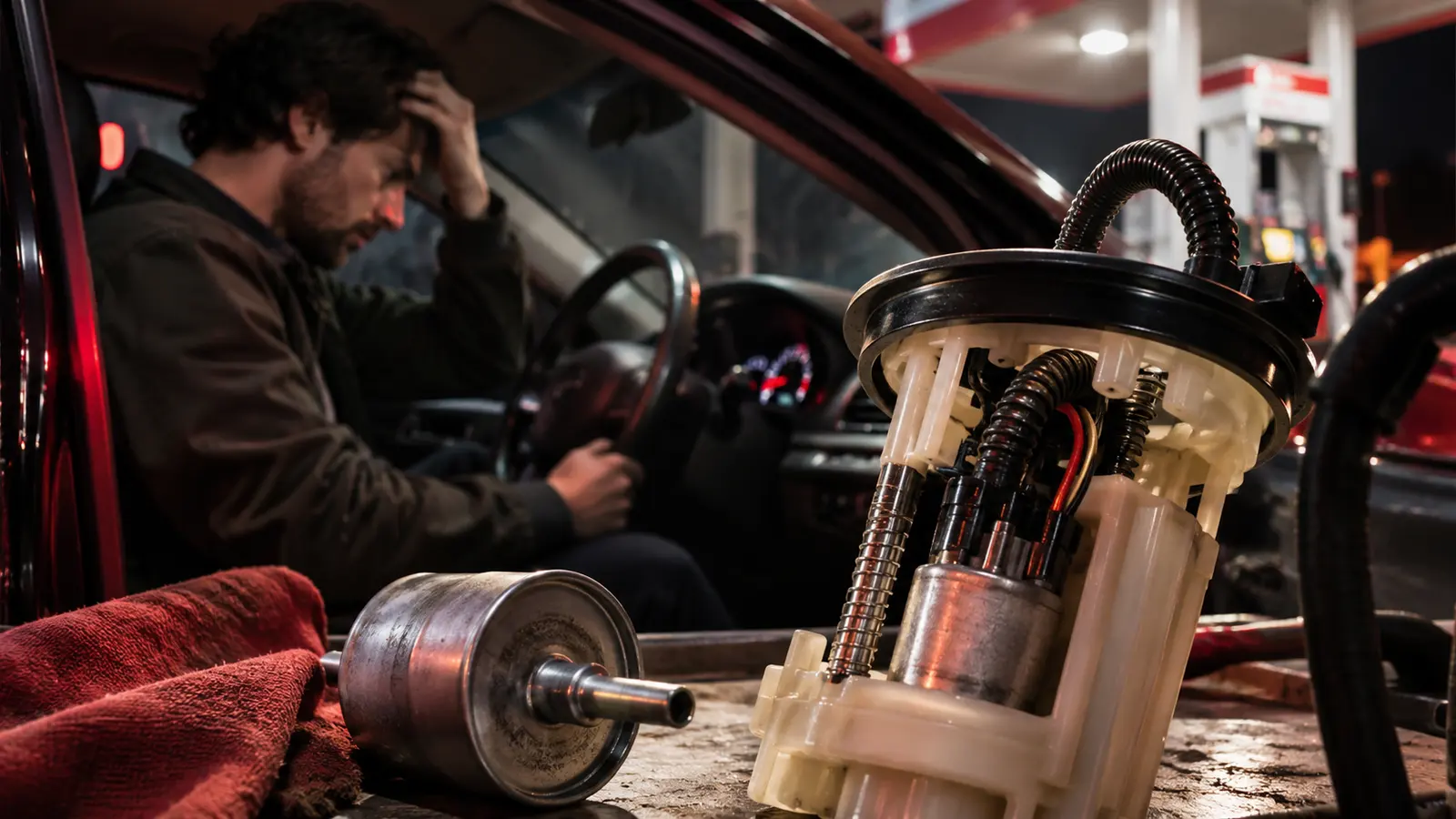 Engine Problems
Car Fuel System: The Complete Guide to Pumps, Injectors, Filters and Fuel Problems
The fuel system stores fuel and delivers it to the engine at the right pressure, where injectors meter it precisely. This guide covers each part, the difference between port and direct injection, common faults, leaks and smells, and practical ways to use less fuel.
Updated November 22, 2026Read