

Exhaust Leak Symptoms: Signs and Dangers
Quick answer
Exhaust leaks make the car louder, often with ticking or puffing at idle, and can let fumes into the cabin. Because exhaust contains carbon monoxide, a leak with any smell inside the car needs fixing promptly.
- Topic
- Engine Problems
- Sections
- 6
- Reading time
- 1 min
- Applies to
- All regions
Exhaust leak symptoms include a louder engine, ticking or puffing at idle (especially when cold), fumes or a smell inside the car, vibration through the pedals or floor, and sometimes worse fuel economy or a check engine light. Because exhaust gas contains carbon monoxide, a leak that lets fumes into the cabin is a safety issue.
Is it safe to drive?
If you smell exhaust inside the car, open the windows and get it checked promptly. The CDC describes carbon monoxide as odourless and colourless, with symptoms like headache, dizziness and nausea. Never sit in a running car in a closed garage.
Symptoms at a glance
| Symptom | Likely location |
|---|---|
| Ticking at cold start that fades | Exhaust manifold gasket or crack |
| Loud rumble or roar | Hole in pipe, silencer or joint |
| Puffing or tapping at idle | Joint or flange leak |
| Fumes in the cabin | Leak near the front or under the cabin |
| Rattle underneath | Loose heat shield or clamp |
Why the ticking happens
A leak at the exhaust manifold often ticks when cold and quietens as metal expands. It can be mistaken for an engine tick: see engine ticking noise.
How to check
- Listen at idle with the engine cold, then warm.
- Look for black soot around joints and gaskets.
- Check hangers and clamps for breakage.
Our how to check your exhaust for leaks guide covers it safely. Never touch a hot exhaust.
What a mechanic will do
They'll inspect it on a lift, smoke- or pressure-test if needed, and replace the gasket, clamp, section or muffler.
Related guides
Frequently asked questions
Is an exhaust leak dangerous?
It can be. Exhaust contains carbon monoxide, which is odourless. If you smell fumes inside, open the windows and get it checked.
Will it fail inspection?
Exhaust leaks commonly fail roadworthiness tests such as the UK MOT.
Tools that can help
Need a mechanic?
Find rated garages near you by city, ZIP code or postcode, with directions.
About this guide
Written by Editorial Team using manufacturer documentation, government road-safety guidance and motoring-organisation advice. It explains likely causes and safe checks. It is not a diagnosis. How we write and check guides.
More engine problems guides
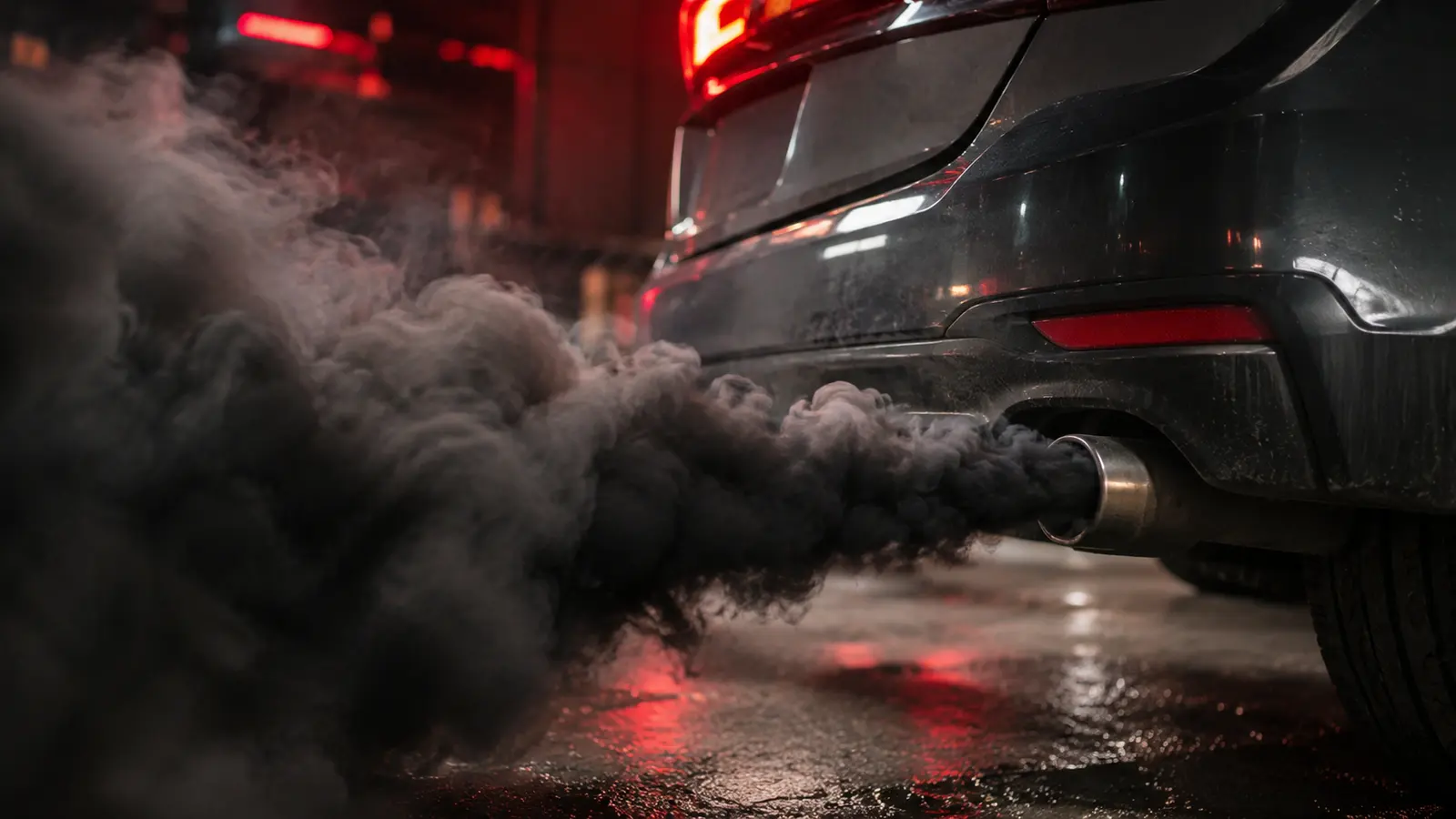 Engine Problems
Car Exhaust and Emissions: The Complete Guide to Catalytic Converters, Sensors and Smoke
The exhaust system carries burnt gases away, cleans them with a catalytic converter (and on diesels a DPF and SCR), and quietens the engine. This guide explains each part, what different smoke colours and noises mean, catalytic converter theft, and emissions tests.
Updated November 22, 2026Read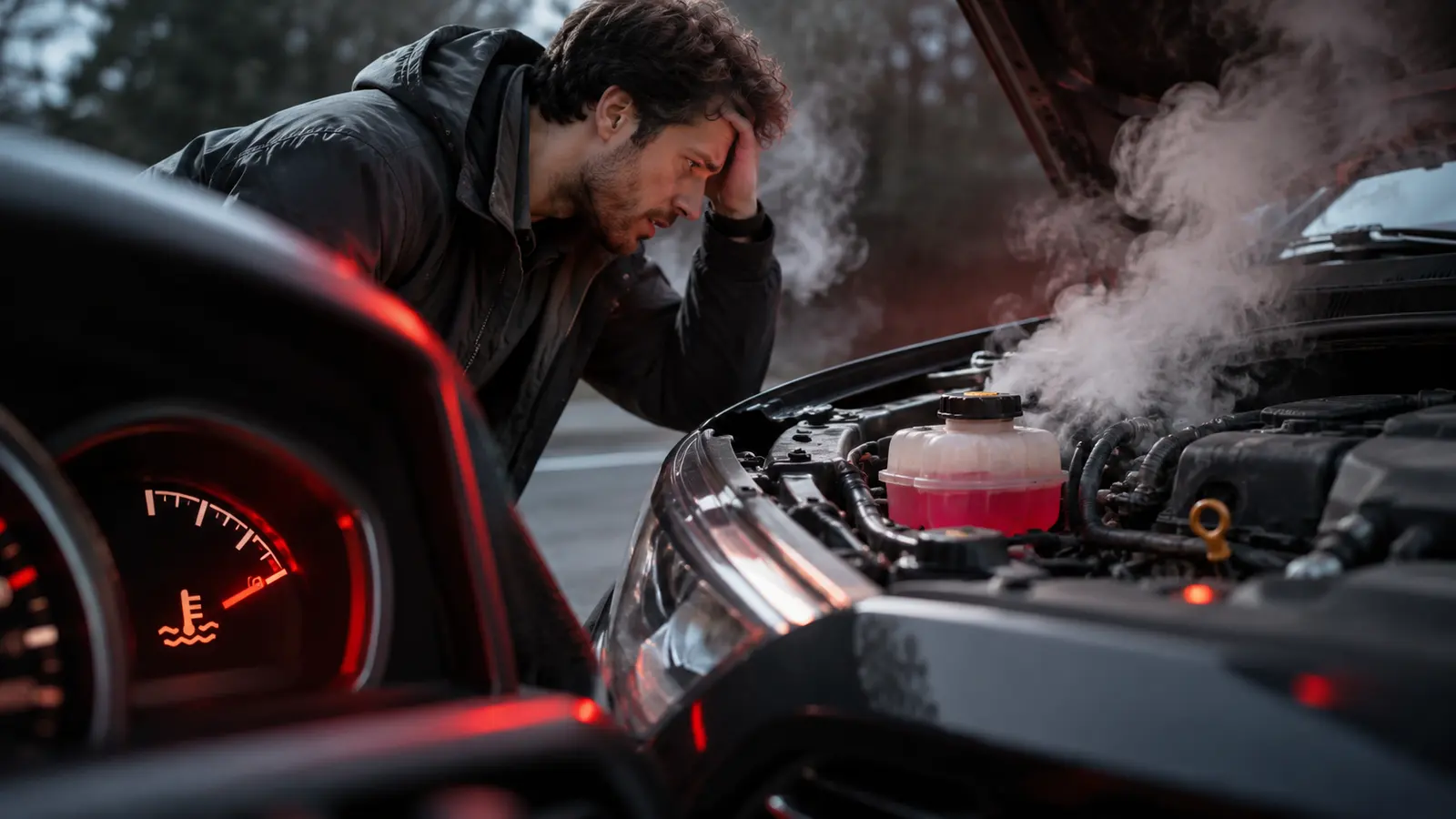 Engine Problems
Engine Cooling System: The Complete Guide to Coolant, Overheating and Repairs
The cooling system carries heat away from the engine using coolant, a water pump, a thermostat, a radiator and fans, all under pressure so coolant can run above 100 °C. This guide explains each part, why engines overheat, how to spot leaks and how to check coolant safely.
Updated November 22, 2026Read Engine Problems
Diesel Engines: The Complete Guide to How They Work, DPF, AdBlue and Care
Diesel engines ignite fuel by compression rather than a spark. Modern diesels add glow plugs, a particulate filter, AdBlue and EGR to start reliably and cut emissions. This guide explains each system, the warning lights and how to keep a diesel healthy.
Updated November 22, 2026Read