
Diesel Engines: The Complete Guide to How They Work, DPF, AdBlue and Care
Quick answer
Diesel engines ignite fuel by compression rather than a spark. Modern diesels add glow plugs, a particulate filter, AdBlue and EGR to start reliably and cut emissions. This guide explains each system, the warning lights and how to keep a diesel healthy.
- Topic
- Engine Problems
- Sections
- 10
- Reading time
- 3 min
- Applies to
- All regions
A diesel engine is a compression-ignition engine: it squeezes air so hard that it gets hot enough to ignite the fuel when it's injected, with no spark plugs. That makes diesels efficient and torquey, but modern diesels also carry extra systems (glow plugs, a particulate filter, AdBlue and EGR) that need understanding. This AllInformations Automotive guide explains each one.
How a diesel engine works
Compression ignition
Air is drawn in and compressed far more than in a petrol engine. Fuel is injected into this hot air and ignites by itself.
Direct, high-pressure injection
Modern diesels inject fuel directly into the cylinders, usually through a high-pressure common rail. See car fuel system: the complete guide.
Turbocharging
Most modern diesels are turbocharged, with an intercooler to cool the compressed air. See turbocharger and turbo vs naturally aspirated.
Glow plugs and cold starts
What glow plugs do
A glow plug is a heating element that helps the engine start in cold weather by warming the combustion chamber. See glow plugs and spark plugs vs glow plugs.
The glow plug light
On many cars, wait for the coil-shaped light to go out before cranking. If it flashes or stays on while driving, there's a fault. See the glow plug light.
Starting in winter
The diesel particulate filter (DPF)
What it does
The DPF traps soot from the exhaust. As it fills, it must burn the soot off: a process called regeneration.
Why short trips cause trouble
Regeneration needs sustained exhaust heat. If the warning light comes on and the car isn't driven at higher speed for long enough, the DPF may not regenerate properly, and continued driving can ruin it so it needs replacing. See how to help your DPF regenerate and the DPF light.
DPF vs catalytic converter
They do different jobs; many diesels have both. See catalytic converter vs DPF.
AdBlue (DEF) and SCR
What AdBlue is
Diesel exhaust fluid, often sold as AdBlue, is a solution of 32.5% urea in water. It is sprayed into the exhaust in a selective catalytic reduction (SCR) system to cut nitrogen oxide emissions. See SCR system.
Keeping it topped up
Many cars won't restart once the AdBlue tank is empty. Top up when warned. See how to top up AdBlue and the AdBlue light.
Never put it in the fuel tank
AdBlue goes in its own filler, usually marked with a blue cap. In the fuel tank it can cause serious damage.
EGR (exhaust gas recirculation)
What it does
The EGR valve feeds some exhaust back into the intake to lower combustion temperatures and nitrogen oxide emissions. Soot can clog it, causing rough running and power loss.
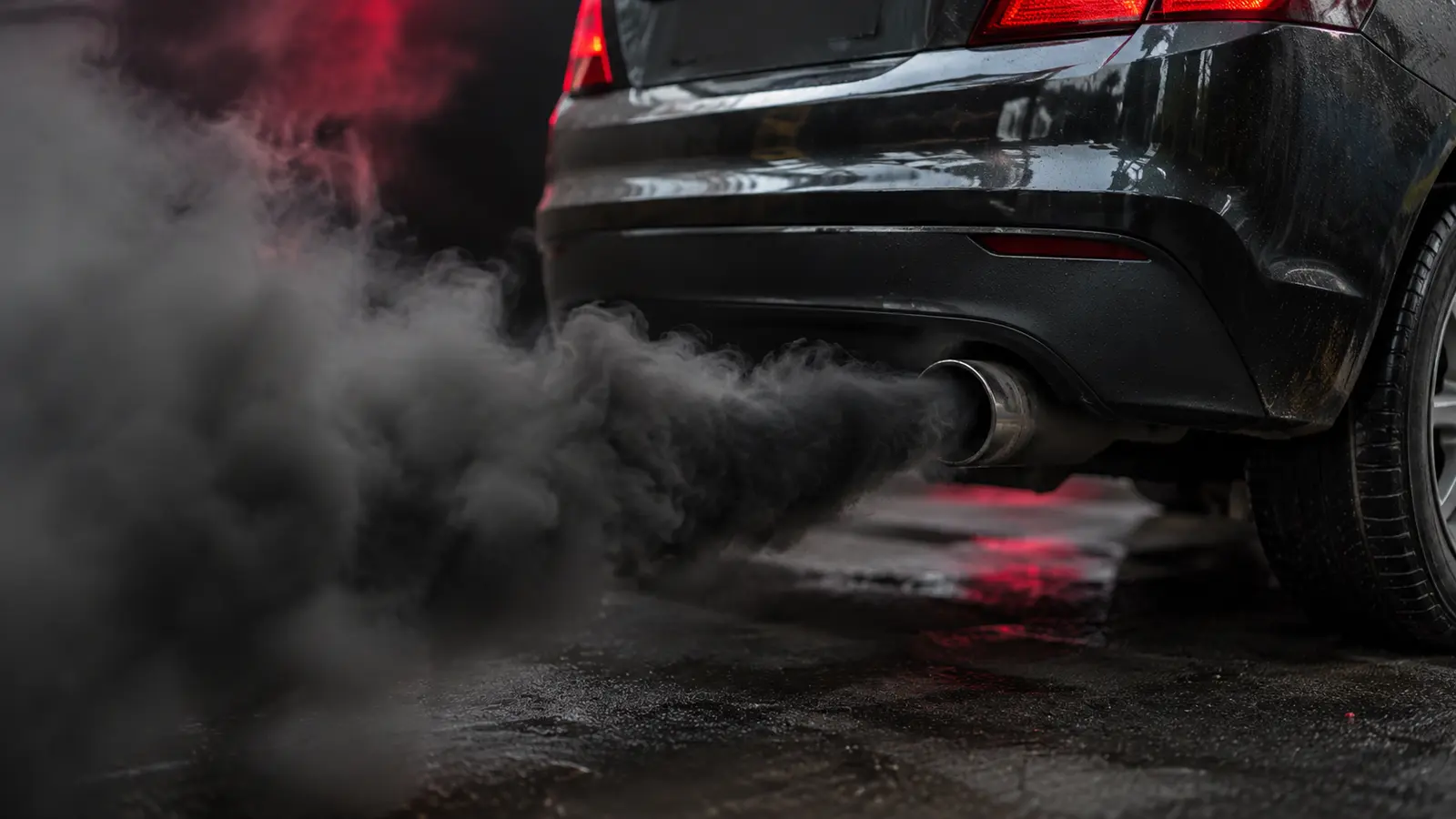
Diesel smoke
What the colour means
| Smoke | Possible cause |
|---|---|
| Black | Too much fuel for the air: injectors, turbo, air leaks |
| White (cold start, clears) | Normal condensation or cold running |
| White (persistent, sweet smell) | Coolant burning |
| Blue | Oil burning |
See car blowing black smoke and car blowing white smoke.
Servicing a diesel
What's different
Diesel servicing includes the fuel filter (which also separates water on many diesels), the air filter, low-ash oil specified for DPF cars, and attention to the DPF, EGR and AdBlue systems. See petrol vs diesel maintenance.
Use the right oil
DPF-equipped diesels usually need a specific low-ash oil specification. Using the wrong oil can shorten DPF life.
Is a diesel right for you?
Who diesels suit
Diesels suit drivers who regularly do longer, faster journeys, tow, or carry heavy loads. Mostly short urban trips make DPF problems more likely.
Alternatives
For mostly short trips, a petrol, hybrid or electric car may suit better. See electric and hybrid cars: the complete guide.
Safety
Fuel mix-ups
If you put petrol in a diesel (or diesel in a petrol car), don't start the engine. Have the tank drained.
Related guides
Frequently asked questions
Are diesels bad for short trips?
Mostly short, slow trips can stop the DPF regenerating, leading to blockage. Diesels suit drivers who regularly do longer, faster journeys.
What is AdBlue?
AdBlue (diesel exhaust fluid) is a solution of 32.5% urea in water, injected into the exhaust to cut nitrogen oxide emissions in SCR systems.
Why does my diesel need glow plugs?
Glow plugs heat the combustion chamber to help the engine start in cold weather.
Tools that can help
Need a mechanic?
Find rated garages near you by city, ZIP code or postcode, with directions.
About this guide
Written by Editorial Team using manufacturer documentation, government road-safety guidance and motoring-organisation advice. It explains likely causes and safe checks. It is not a diagnosis. How we write and check guides.
More engine problems guides
 Engine Problems
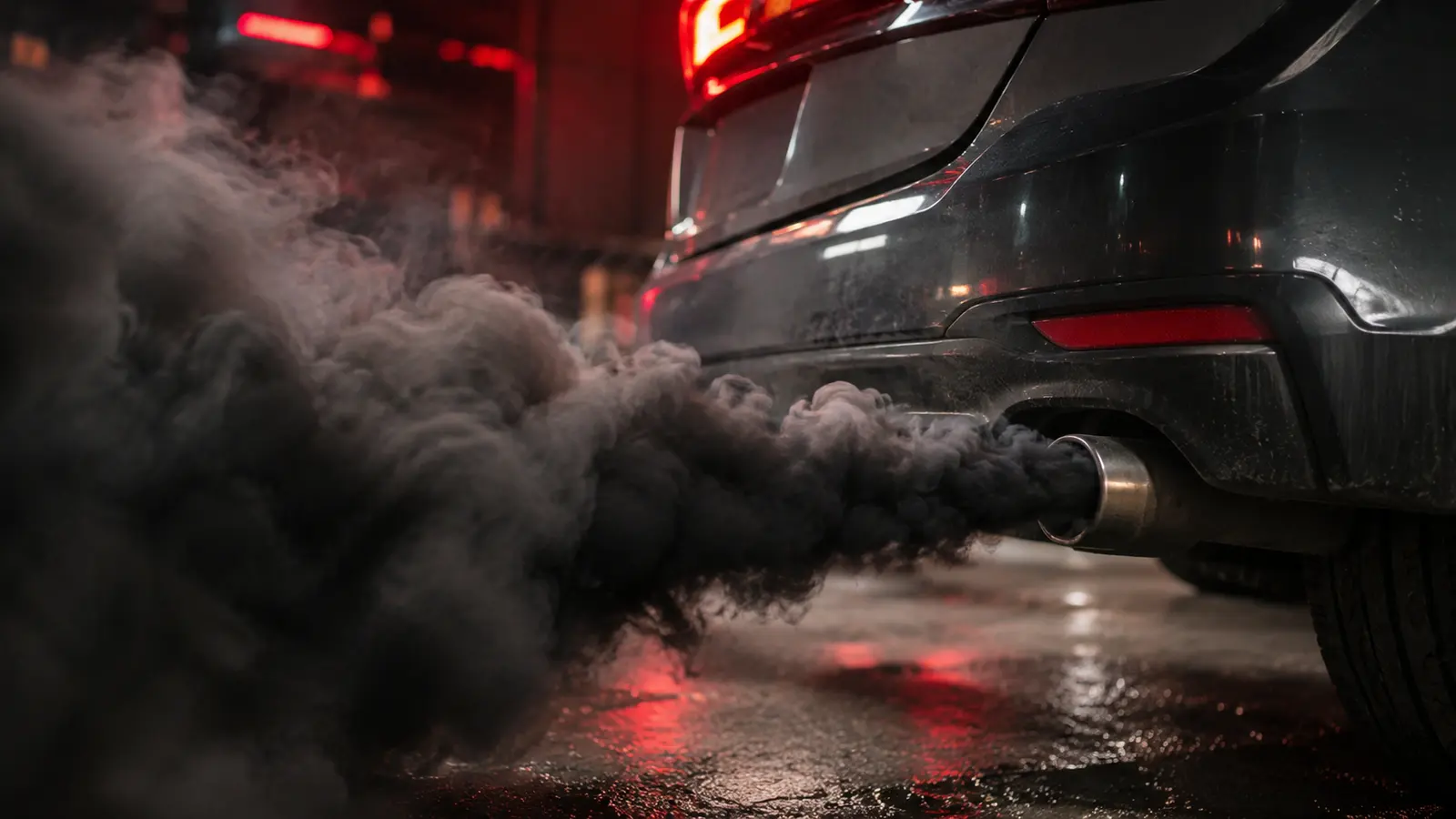
Car Exhaust and Emissions: The Complete Guide to Catalytic Converters, Sensors and Smoke
The exhaust system carries burnt gases away, cleans them with a catalytic converter (and on diesels a DPF and SCR), and quietens the engine. This guide explains each part, what different smoke colours and noises mean, catalytic converter theft, and emissions tests.
Updated November 22, 2026Read Engine Problems
Engine Cooling System: The Complete Guide to Coolant, Overheating and Repairs
The cooling system carries heat away from the engine using coolant, a water pump, a thermostat, a radiator and fans, all under pressure so coolant can run above 100 °C. This guide explains each part, why engines overheat, how to spot leaks and how to check coolant safely.
Updated November 22, 2026Read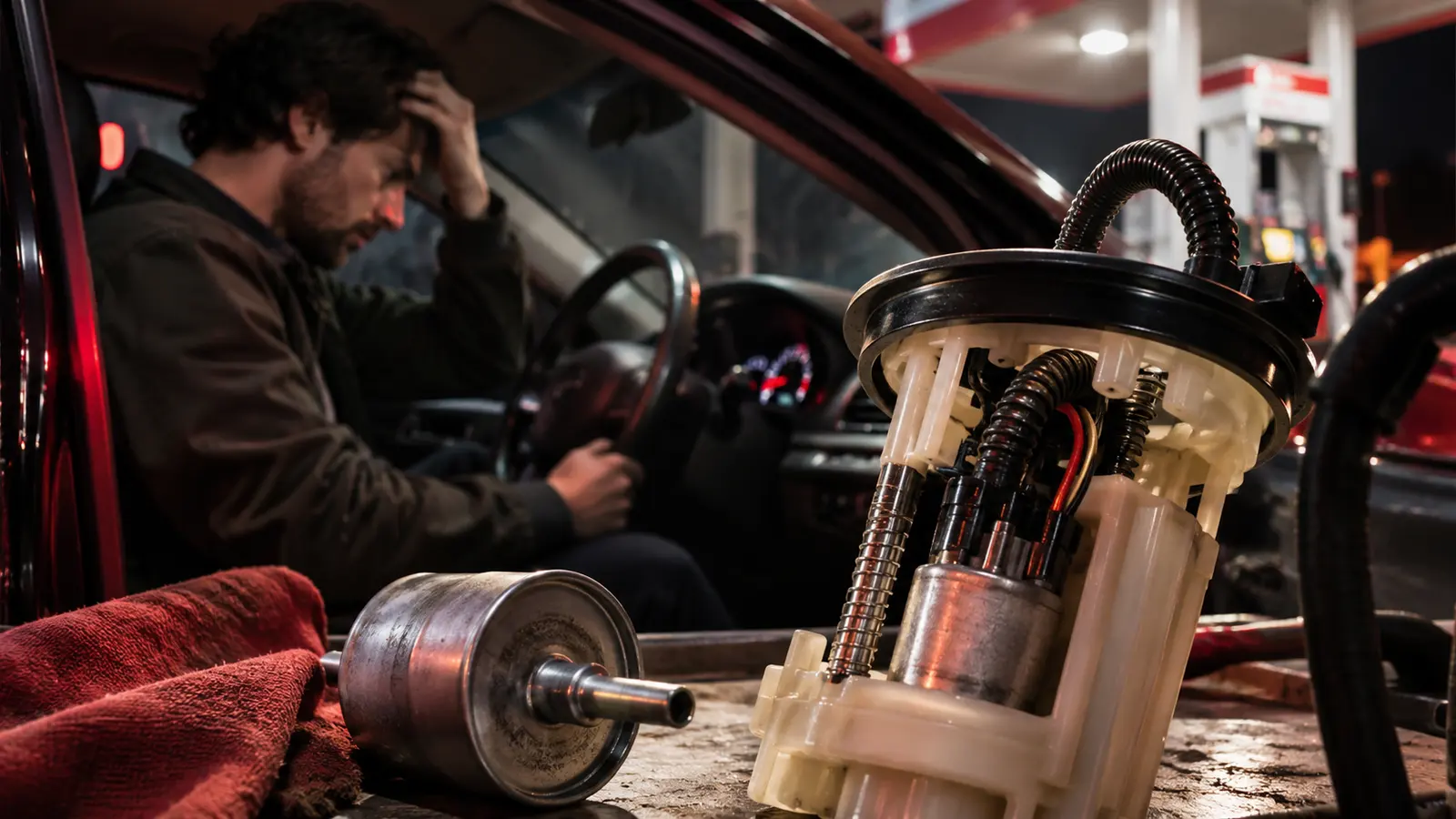 Engine Problems
Car Fuel System: The Complete Guide to Pumps, Injectors, Filters and Fuel Problems
The fuel system stores fuel and delivers it to the engine at the right pressure, where injectors meter it precisely. This guide covers each part, the difference between port and direct injection, common faults, leaks and smells, and practical ways to use less fuel.
Updated November 22, 2026Read