
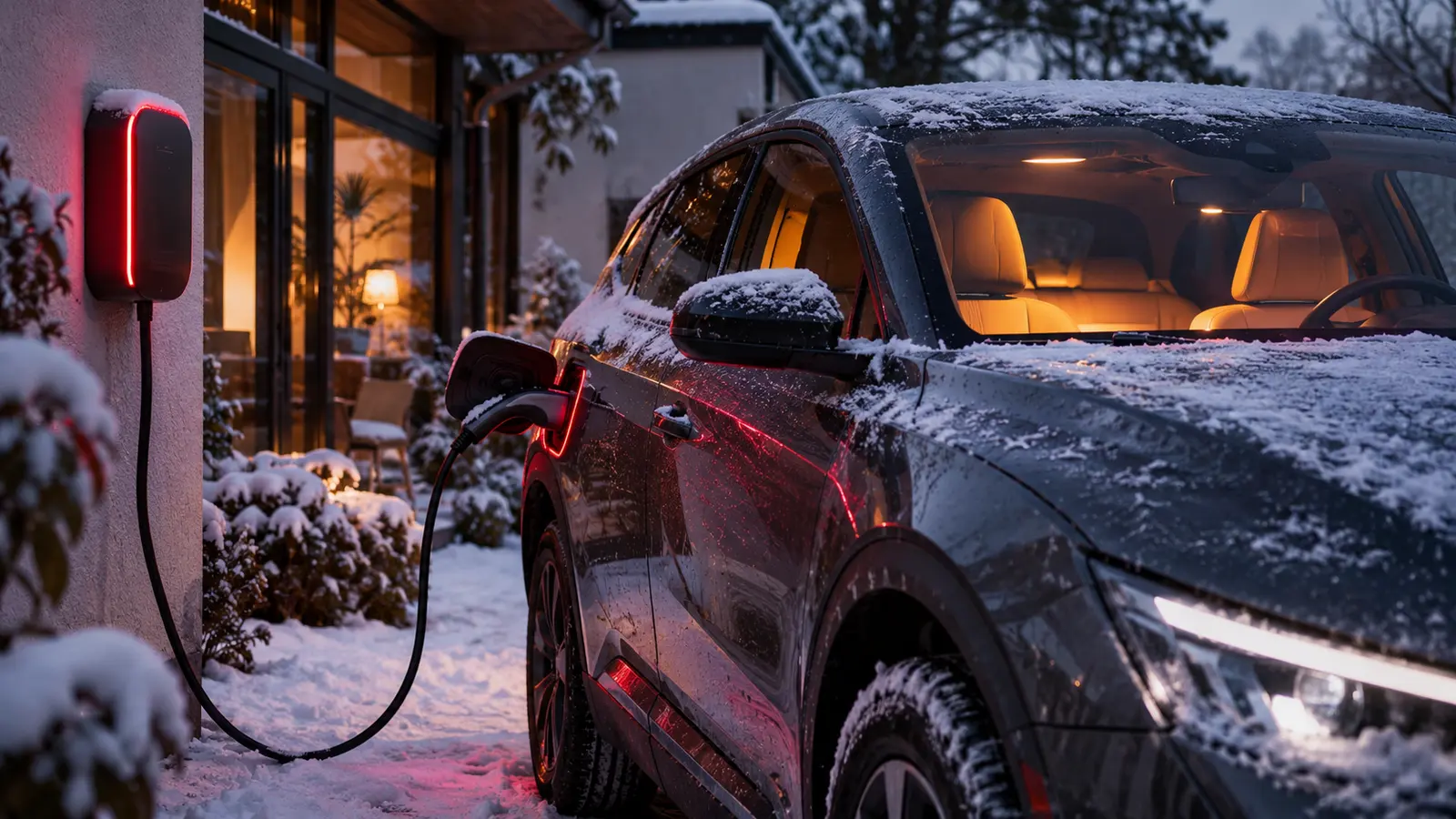
Electric and Hybrid Cars: The Complete Ownership and Maintenance Guide
Quick answer
Electric cars run on a rechargeable lithium-ion battery and motors; hybrids pair an engine with an electric motor. This guide covers how they work, charging levels and times, battery and range in cold weather, regenerative braking, and the maintenance they still need.
- Topic
- Electrical
- Sections
- 10
- Reading time
- 4 min
- Applies to
- All regions
Electric cars are propelled by electric motors powered by rechargeable battery packs; hybrids pair a petrol (gas) engine with an electric motor and a smaller battery. Both change how you refuel, drive in winter and look after the car. This AllInformations Automotive guide explains how they work, charging, battery care, range, and the maintenance they still need.
How electric and hybrid cars work
Battery electric vehicles (BEVs)
A BEV has no engine. One or more electric motors drive the wheels, powered by a large traction battery that you recharge from the grid.
Hybrids (HEVs)
A hybrid combines an engine with an electric motor and a small battery that's charged by the engine and by braking. You refuel it like a normal car.
Plug-in hybrids (PHEVs)
A plug-in hybrid has a bigger battery you can charge from a socket for electric-only trips, plus an engine for longer journeys.
At a glance
| Type | Engine? | Plug in? | Main energy |
|---|---|---|---|
| Hybrid | Yes | No | Fuel |
| Plug-in hybrid | Yes | Yes | Electricity then fuel |
| Battery electric | No | Yes | Electricity |
The traction battery
Lithium-ion chemistry
EV traction batteries are typically lithium-ion, designed for high energy density and power. Their performance is sensitive to temperature.
Battery thermal management
Many EVs heat or cool their batteries to keep them in an efficient range, using coolant loops or air. That's why EVs still have a coolant system to service.
Capacity over time
Lithium-ion batteries gradually lose capacity with age and use. Charging habits, heat and fast-charging frequency all affect how quickly. Follow your maker's guidance on daily charge limits.
Charging
Charging levels
| Level | Supply | Typical use |
|---|---|---|
| Level 1 | 120 V AC (US) household socket | Slow overnight top-ups |
| Level 2 | Higher-voltage AC wallbox or public post | Home and workplace |
| DC fast | High-power DC | Long journeys |
Most EVs come with a portable Level 1 cordset. The US DOE notes charging times range from less than 20 minutes on DC fast chargers to 20 hours or more on Level 1, depending on the car and charger.
Connectors
Connector standards vary by country and maker. The combined charging system (CCS) port can accept Level 1, Level 2 and DC fast charging.
Charging tips
- Charge at home overnight where possible.
- Use DC fast charging for trips rather than every day.
- Follow the maker's advice on daily charge limits.
Range and cold weather
Why range drops
FuelEconomy.gov's cold-weather testing found EV range can drop by about 41%, with about two-thirds of the extra energy going on cabin heating. Hybrids' fuel economy can drop around 30–34% in similar conditions.
Getting more winter range
Precondition while plugged in, use seat heaters, keep tyres inflated and park in a garage. Full detail: EV range in cold weather.
Regenerative braking
How it works
When you lift off or brake, the motor works as a generator, slowing the car and recharging the battery. Hybrids commonly use regenerative braking to recharge their batteries. See regenerative braking and regenerative vs friction braking.
Effect on brakes
The friction brakes do less work, so pads last longer, but discs can corrode from lack of use. Regular brake inspection still matters. See car brakes: the complete guide.
The 12-volt battery
Still essential
EVs and hybrids still have a 12-volt battery for accessories and to wake the high-voltage system. If it's flat, the car may not turn on. See car batteries: the complete guide.
Maintenance
What EVs don't need
No oil changes, spark plugs, timing belts or exhaust repairs.
What they still need
- Tyres (EVs are heavy, so tyres can wear faster)
- Brakes, fluid and suspension
- Cabin air filter
- Battery coolant on many models
- The 12-volt battery
- Software updates
The US DOE's Alternative Fuels Data Center notes EVs typically need less routine maintenance than conventional cars. See petrol vs electric maintenance and hybrid vs electric maintenance.
Hybrids
Hybrids still need engine servicing, but brake wear is often lower. See hybrid vs petrol maintenance.
Safety
High voltage
Orange cables carry high voltage. Never cut, probe or disconnect them; leave high-voltage work to trained technicians.
Jump starts and towing
Follow your handbook: some EVs can jump-start another car, many can't; towing with wheels on the ground can damage some EV drivetrains.
Buying and owning
Questions to ask
- What range do you get in winter, not just the official figure?
- Where will you charge at home and on trips?
- What does the battery warranty cover?
Related guides
Frequently asked questions
How long does it take to charge an EV?
It depends on the battery and charger: from under 20 minutes at a DC fast charger to 20 hours or more on a Level 1 (120 V) supply, per the US Department of Energy.
Do EVs need servicing?
Yes, but less. No oil changes, but tyres, brakes, suspension, cabin filters, coolant for the battery and the 12-volt battery still need attention.
Do EVs lose range in winter?
Yes. FuelEconomy.gov reports range can drop by about 41% in cold-weather testing, mostly from heating the cabin.
Tools that can help
Need a mechanic?
Find rated garages near you by city, ZIP code or postcode, with directions.
About this guide
Written by Editorial Team using manufacturer documentation, government road-safety guidance and motoring-organisation advice. It explains likely causes and safe checks. It is not a diagnosis. How we write and check guides.
More electrical guides
 Electrical
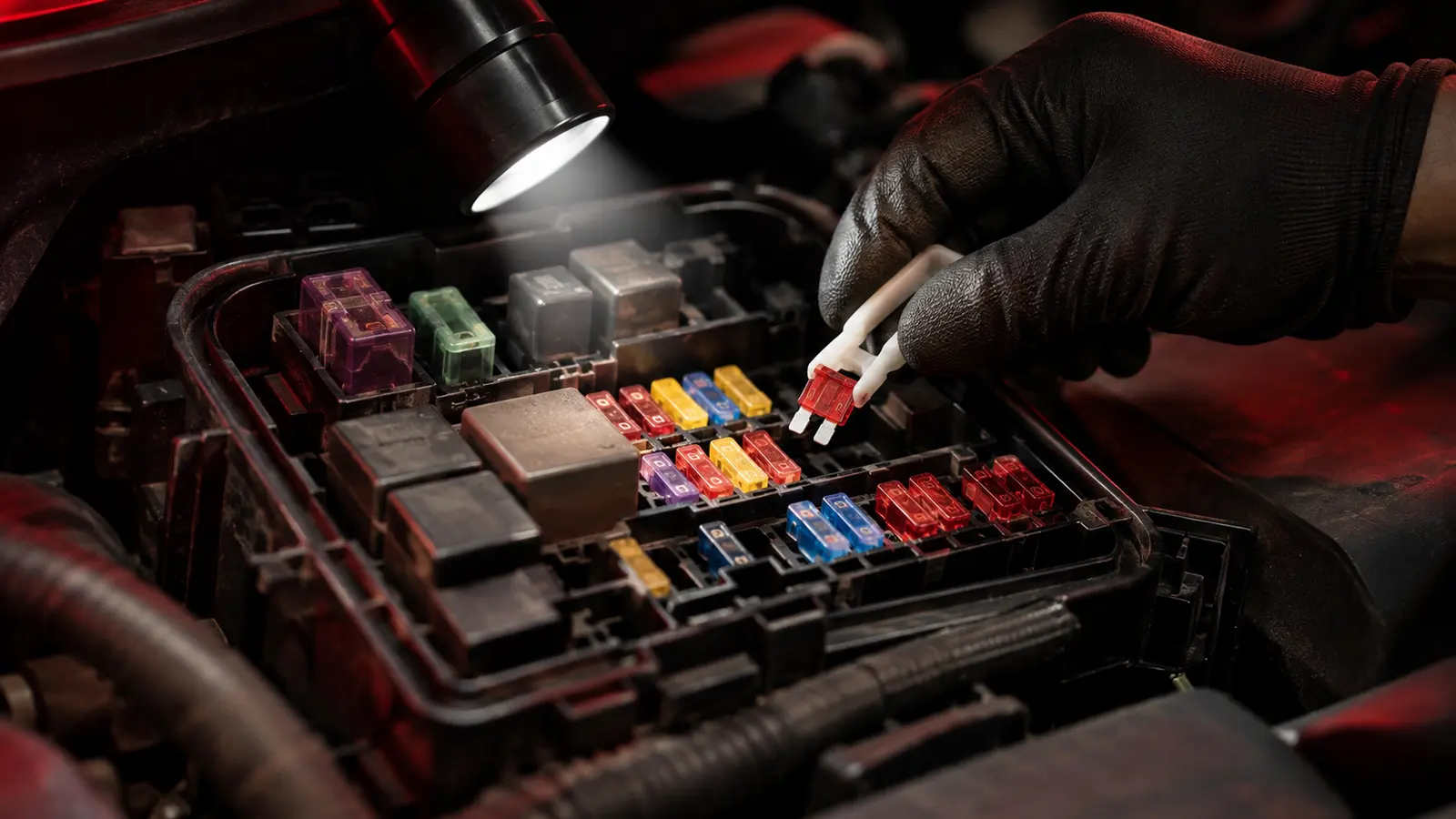
Car Electrical System: The Complete Guide to Fuses, Wiring, Lights and Faults
A car's electrical system runs on 12 volts from the battery and alternator, protected by fuses and switched by relays and computer modules that talk over a network. This guide explains how it fits together and how to approach common faults safely.
Updated November 22, 2026ReadElectricalSpeedometer Not Working: Causes
Modern speedometers read from a gearbox or ABS wheel-speed sensor. A dead or erratic speedometer usually means a faulty sensor, damaged wiring or an instrument cluster fault.
Updated November 22, 2026Read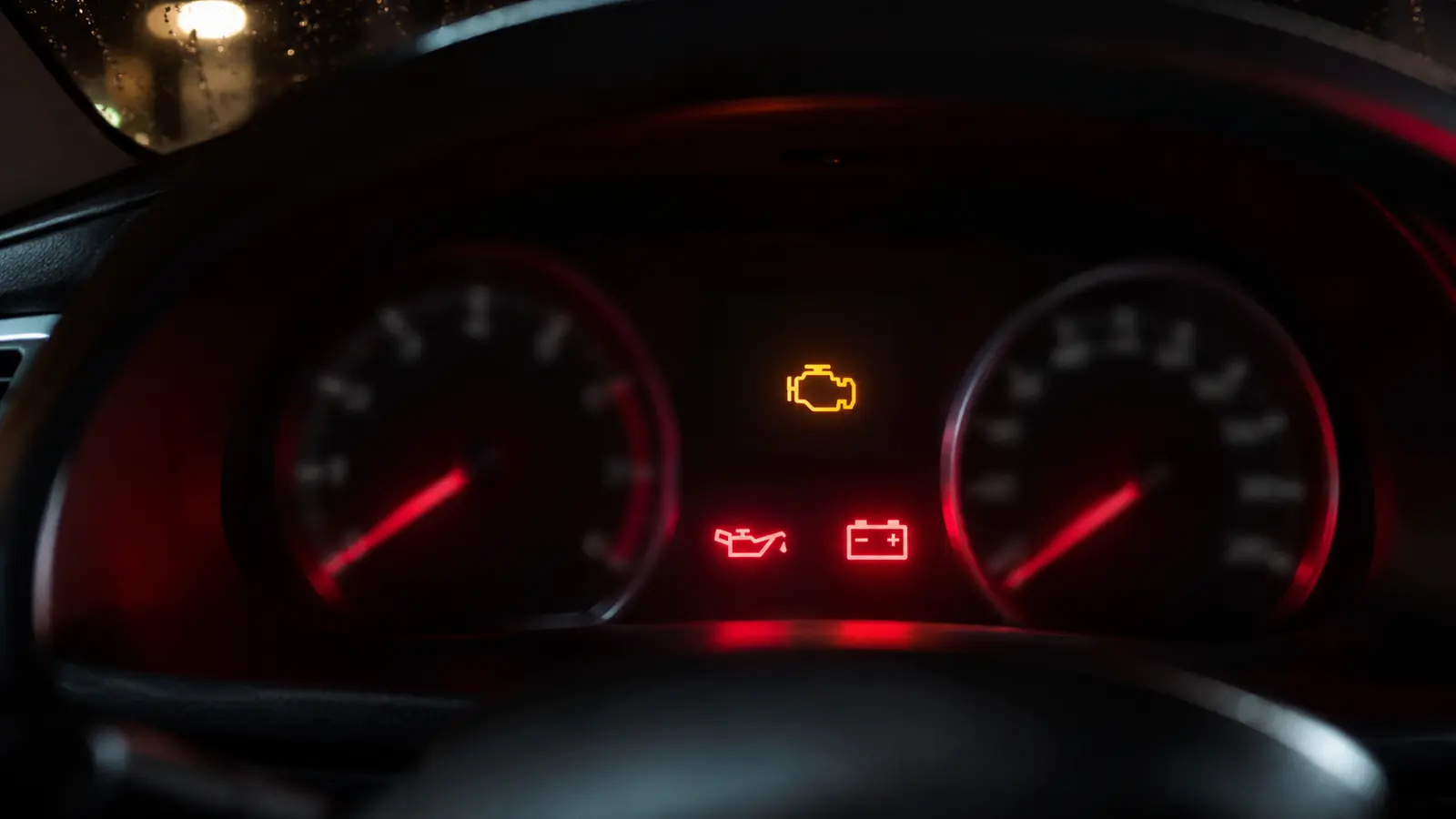 Electrical
Fuel Gauge Not Working: Causes
A fuel gauge that's stuck, jumpy or inaccurate usually has a faulty sending unit (the float in the tank), a wiring or earth problem, or less often an instrument cluster fault.
Updated November 22, 2026Read