
How to Improve Fuel Economy: 12 Proven Tips
Quick answer
Smooth acceleration, steady speeds, correct tyre pressures, removing roof racks and extra weight, and keeping up with maintenance are the most reliable ways to use less fuel.
- Topic
- Servicing & Maintenance
- Sections
- 6
- Reading time
- 1 min
- Applies to
- All regions
The most reliable ways to improve fuel economy are smooth driving, steady speeds, correct tyre pressures, less weight and drag, and regular maintenance. They work on almost any car.
12 tips that work
- Accelerate gently and anticipate traffic to avoid hard braking.
- Keep a steady speed; use cruise control on highways.
- Slow down: fuel use rises quickly at higher speeds.
- Check tyre pressures monthly.
- Remove roof racks and boxes when not in use.
- Empty the boot of heavy items you don't need.
- Avoid long idling.
- Combine short trips: a warm engine is more efficient.
- Use the correct oil grade.
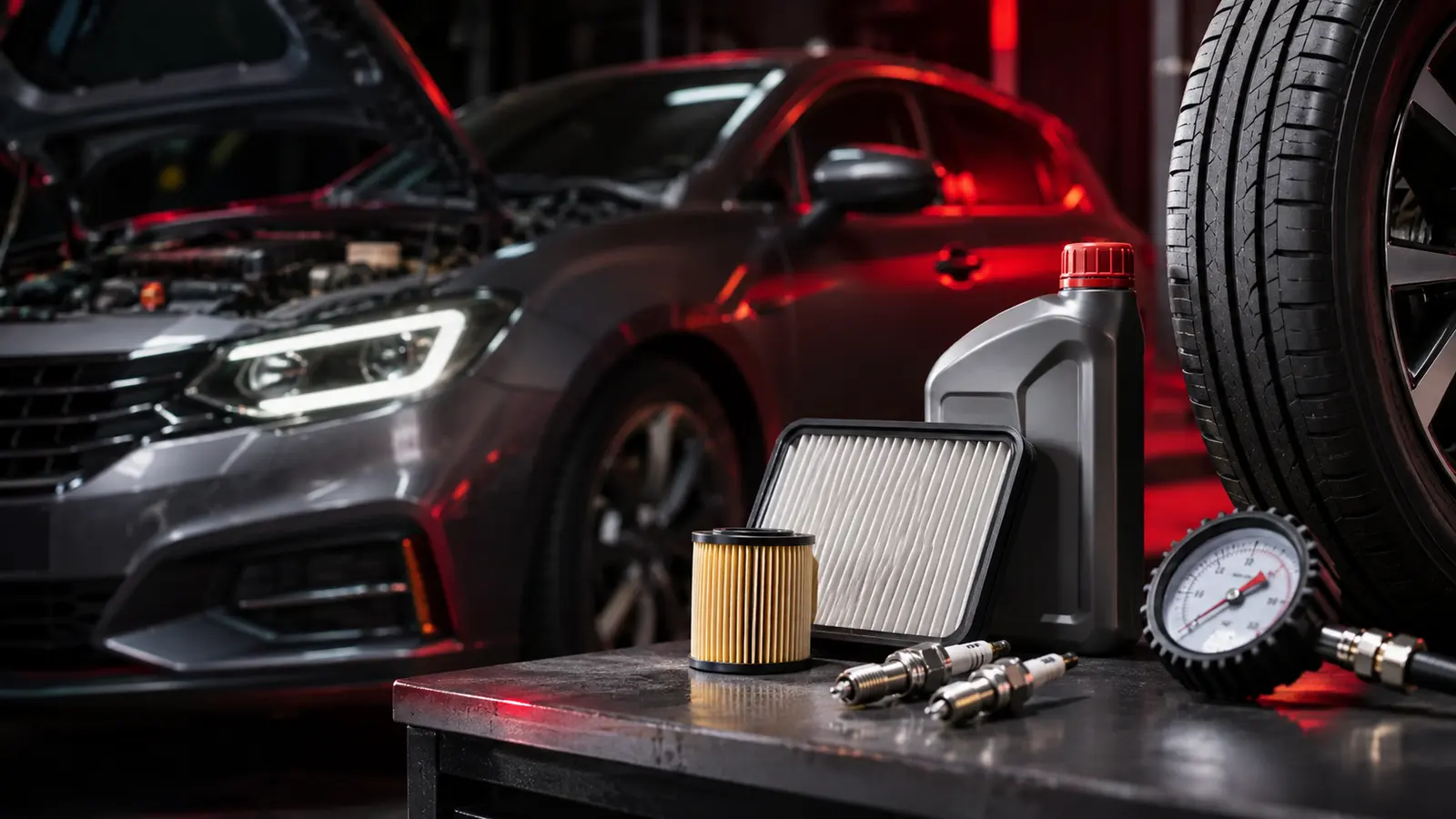
- Keep up with servicing (filters, plugs).
- Use higher gears sooner in manuals, without labouring the engine.
- Plan routes to avoid congestion.
Why fuel economy drops
| Cause | Effect |
|---|---|
| High speed | Drag rises sharply with speed |
| Short trips | Engine spends more time cold |
| Under-inflated tyres | More rolling resistance |
| Roof boxes and racks | Extra drag |
| Cold weather | Cold engines and heaters use more fuel |
Maintenance that matters
Correct oil grade, healthy spark plugs, a clean air filter on older engines, wheels in alignment and brakes that don't drag all help. Fix check engine lights promptly, as many sensor faults make engines run rich.
What doesn't help much
Most fuel additives and gadgets claiming large savings don't deliver meaningful gains.
Track your economy
Use our fuel economy calculator to measure real-world consumption and spot changes.
Related guides
Frequently asked questions
Does using AC waste fuel?
It uses some. At low speeds, open windows may be more efficient; at highway speeds, the drag from open windows can outweigh the AC.
Do fuel additives improve economy?
Most drivers won't see a meaningful gain. Maintenance and driving style matter far more.
Does idling waste fuel?
Yes. Modern cars don't need long warm-up idles.
Tools that can help
How the parts involved work
Need a mechanic?
Find rated garages near you by city, ZIP code or postcode, with directions.
About this guide
Written by Editorial Team using manufacturer documentation, government road-safety guidance and motoring-organisation advice. It explains likely causes and safe checks. It is not a diagnosis. How we write and check guides.
More servicing & maintenance guides
 Servicing & Maintenance
Engine Oil: The Complete Guide to Grades, Types, Checks and Changes
Engine oil lubricates, cools and cleans the engine. This guide explains what the numbers in 5W-30 mean, API and ACEA specifications, synthetic vs conventional oil, how to check the level, when to change it, and what leaks, smoke and warning lights are telling you.
Updated November 22, 2026Read Servicing & Maintenance
Car Leaking Oil After an Oil Change: Why
Oil drips right after an oil change are usually from the job itself: a filter not tightened or with the old gasket stuck on, a drain plug without a new washer, overfilling, or oil spilled during the change that is now dripping off.
Updated November 22, 2026Read Servicing & Maintenance
Signs Your Car Needs a Mechanic
Red warning lights, a soft brake pedal, steam, a strong fuel smell, new noises, leaks, vibration and changes in steering or braking are signs your car needs professional attention.
Updated November 22, 2026Read