
Engine Oil: The Complete Guide to Grades, Types, Checks and Changes
Quick answer
Engine oil lubricates, cools and cleans the engine. This guide explains what the numbers in 5W-30 mean, API and ACEA specifications, synthetic vs conventional oil, how to check the level, when to change it, and what leaks, smoke and warning lights are telling you.
- Topic
- Servicing & Maintenance
- Sections
- 11
- Reading time
- 4 min
- Applies to
- All regions
Engine oil is the lifeblood of a petrol or diesel engine. It lubricates moving parts, helps cool them, cleans away deposits and holds contaminants until the next change. Using the right oil, at the right level, changed at the right interval, is one of the simplest ways to make an engine last. This AllInformations Automotive guide explains the numbers on the bottle, the specifications, the types and the checks.
What engine oil does
Lubrication
A thin film of oil keeps metal surfaces such as bearings, pistons and the camshaft from grinding against each other.
Cooling
Oil carries heat away from hot parts like pistons and the turbocharger.
Cleaning
Detergent and dispersant additives keep soot and deposits suspended so the oil filter and the next oil change can remove them.
Protection
Antiwear additives protect surfaces under high load, and the oil helps seal piston rings.
What's in engine oil
Base oil plus additives
Motor oils consist of base oils enhanced with additives, particularly antiwear additives, detergents, dispersants and, for multi-grade oils, viscosity index improvers.
Why additives wear out
Heat and contamination use up the additives over time, which is why oil needs changing even if the level is fine.
Reading the grade: what 5W-30 means
The two numbers
A multi-grade oil like 5W-30 has a winter grade (the number before "W") describing viscosity at cold temperatures, and a non-winter grade (the number after) describing viscosity at operating temperature.
Lower first number, easier cold starts
A lower winter number means the oil flows more easily when cold, getting to vital parts faster on a frosty morning.
Why the right grade matters
Modern engines have tight tolerances and variable valve timing that depend on oil of the specified viscosity. Use the grade in your handbook.
Specifications and approvals
API and ACEA
Beyond the grade, oils meet performance specifications set by organisations such as the API (American Petroleum Institute) and ACEA (the European car makers' association). Your handbook lists which your engine needs.
Manufacturer approvals
Many car makers publish their own oil approvals. Diesels with particulate filters often need specific low-ash oils.
Synthetic vs conventional
What's different
Synthetic oils are engineered for stability; they resist breaking down at high temperatures better than conventional oils. See synthetic vs conventional oil.
Which to use
Use what your handbook specifies. Many modern engines require a synthetic of a particular grade and approval.
Checking the oil level
How to check
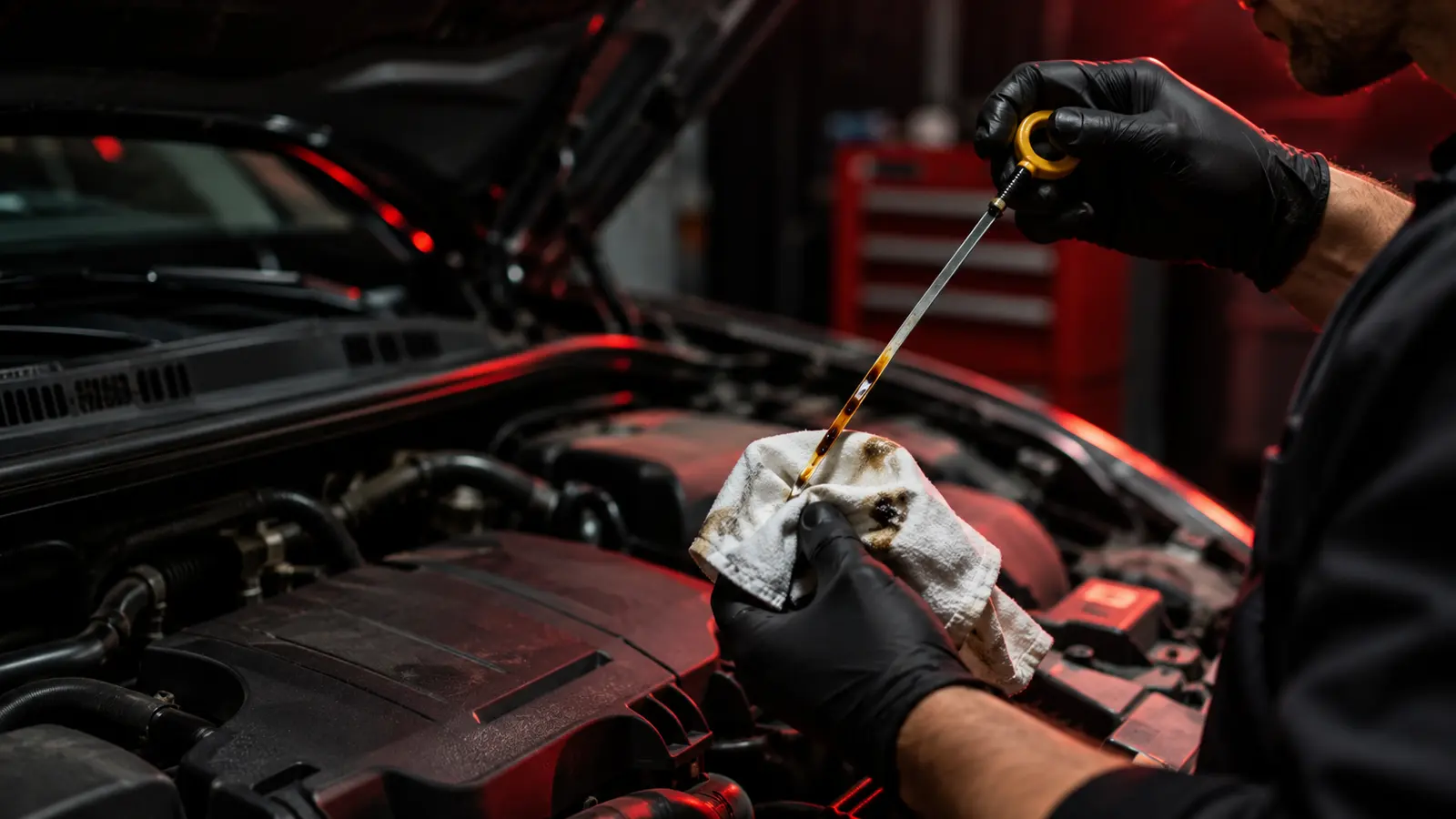
With the car on level ground and the engine off for a few minutes, pull the dipstick, wipe it, reinsert it fully and read the level between the marks. See how to check engine oil.
Electronic oil level
Some cars have no dipstick and show the level on the dashboard instead.
How often
Check monthly and before long trips. Some engines use a little oil normally; a sudden increase is a warning.
Changing the oil
Intervals
Follow your handbook. Many cars have a fixed interval or a service indicator that adjusts to how you drive. Short trips, towing and dusty conditions count as severe use. See how often to change oil.
Doing it yourself
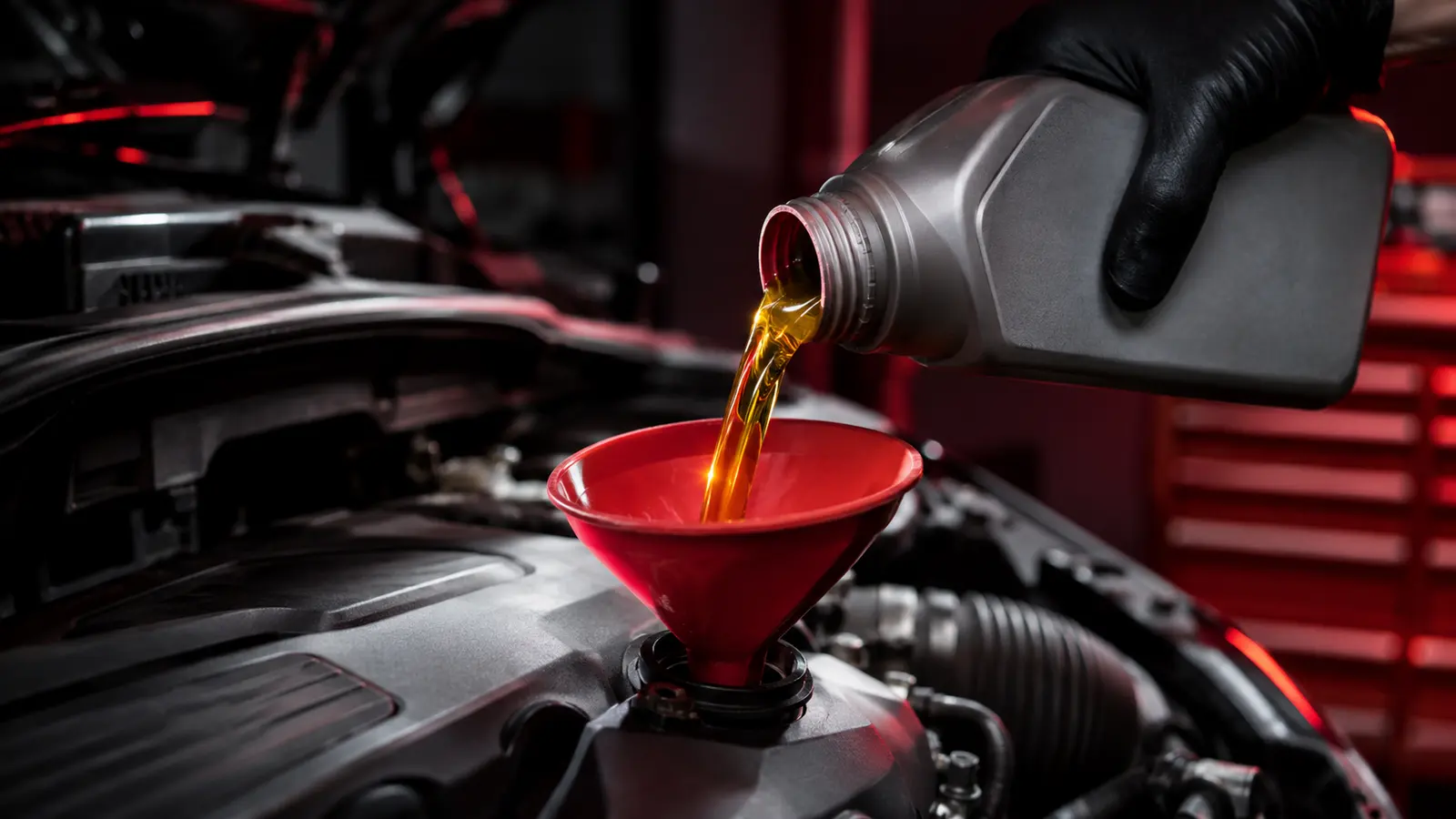
See how to change engine oil and filter. Always fit a new drain plug washer, check the old filter seal came off, and fill to the correct level.
After an oil change
Leaks and warning lights right after a change are usually from the job itself. See car leaking oil after an oil change and check engine light after an oil change.
Maintenance and economy
FuelEconomy.gov says using the manufacturer's recommended grade of motor oil can improve gas mileage by 1–2%. For example, using 10W-30 in an engine designed for 5W-30 can lower it by 1–2%.
Warning signs
Oil-related warning lights
A red oil pressure light means stop safely and switch off; low pressure can destroy an engine quickly. An amber oil level light means top up soon. See the oil pressure light, oil level light and oil light flickering at idle.
Symptoms of low oil
Ticking, knocking, overheating and a burning smell can all point to low oil. See low engine oil symptoms, engine ticking noise and engine knocking noise.
Oil leaks and burning oil
Leaks
Brown or black drips under the engine usually mean a leaking gasket, seal or drain plug. See car leaking oil when parked.
Burning oil
Blue smoke or a burning smell suggests oil reaching hot parts or being burned in the engine. See car blowing blue smoke and car smells like burning oil.
Milky oil
Creamy, milky oil can mean coolant mixing in, a sign of possible head gasket failure.
Disposal
Recycle used oil
Used oil and filters are hazardous waste. Take them to a recycling point or garage; never pour oil down drains.
Related guides
Frequently asked questions
What does the W in 5W-30 mean?
It stands for winter. The first number describes how the oil flows when cold; the second describes its thickness at operating temperature.
Can I mix oil brands?
Topping up with a different brand of the same grade and specification is generally fine in an emergency. Match the grade and spec your handbook lists.
Is synthetic oil always better?
Synthetics are more stable, but the right oil is the one meeting your engine's specified grade and approvals.
Tools that can help
Need a mechanic?
Find rated garages near you by city, ZIP code or postcode, with directions.
About this guide
Written by Editorial Team using manufacturer documentation, government road-safety guidance and motoring-organisation advice. It explains likely causes and safe checks. It is not a diagnosis. How we write and check guides.
More servicing & maintenance guides
 Servicing & Maintenance
Car Leaking Oil After an Oil Change: Why
Oil drips right after an oil change are usually from the job itself: a filter not tightened or with the old gasket stuck on, a drain plug without a new washer, overfilling, or oil spilled during the change that is now dripping off.
Updated November 22, 2026Read Servicing & Maintenance
Signs Your Car Needs a Mechanic
Red warning lights, a soft brake pedal, steam, a strong fuel smell, new noises, leaks, vibration and changes in steering or braking are signs your car needs professional attention.
Updated November 22, 2026Read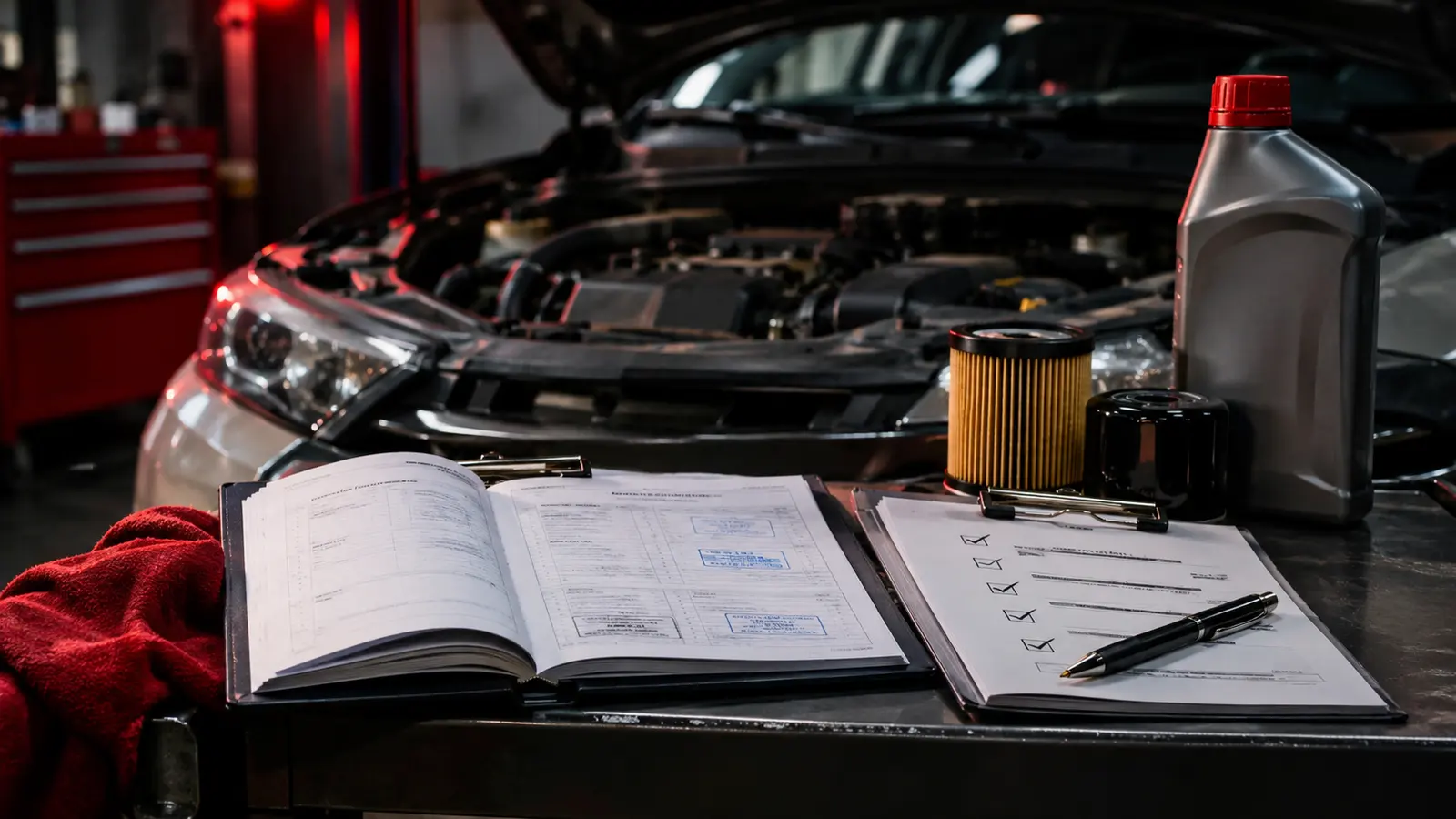 Servicing & Maintenance
Logbook Service vs Regular Service: What's the Difference?
A logbook service follows the maker's schedule and keeps your warranty records intact. A basic service covers the essentials between them.
Updated November 22, 2026Read