
Low Engine Oil Symptoms: Signs You Need Oil Now
Quick answer
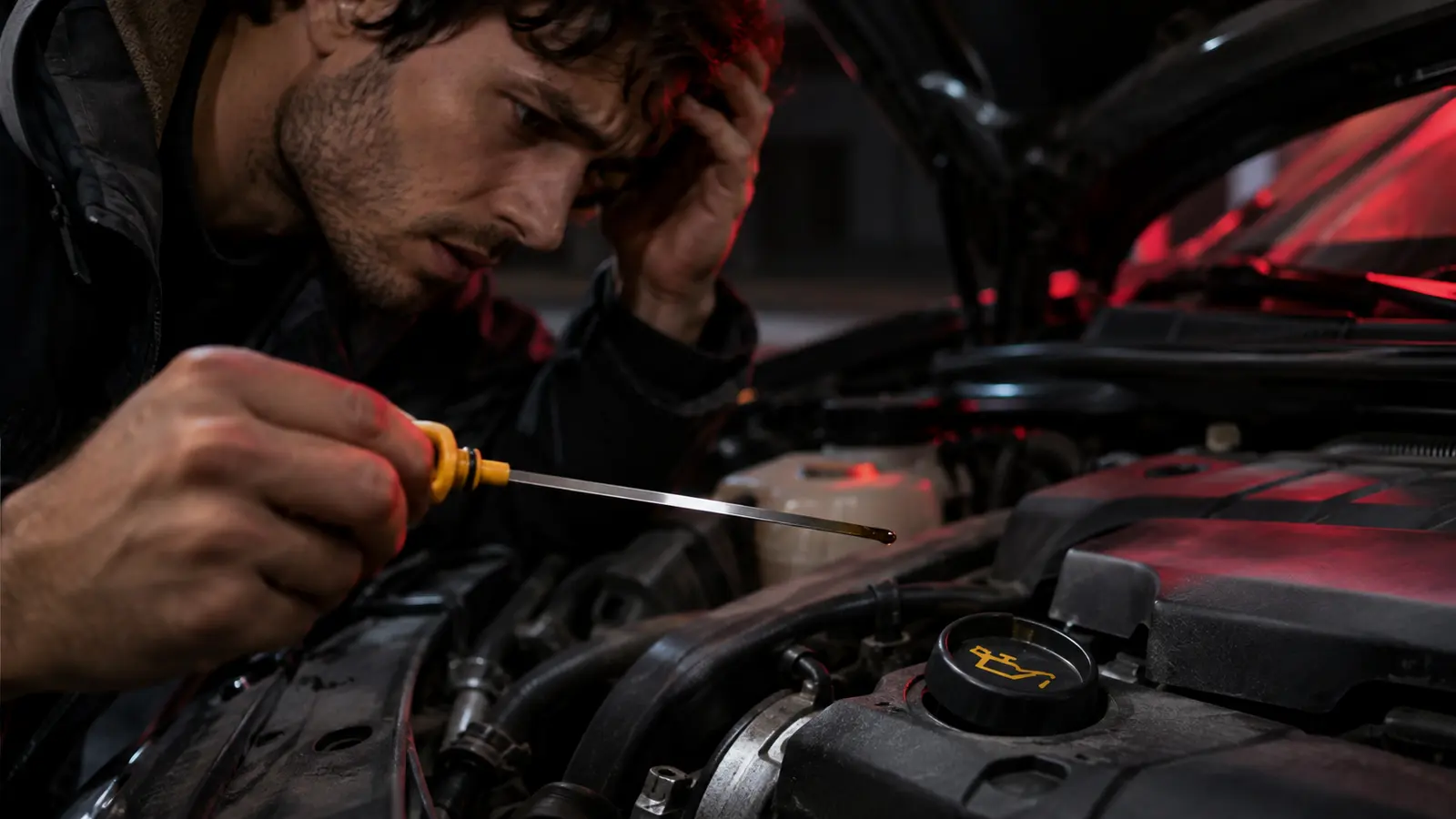
The red oil pressure light, ticking or knocking from the engine, a burning oil smell and overheating can all mean low oil. Check the dipstick: it takes a minute.
- Topic
- Engine Problems
- Sections
- 7
- Reading time
- 1 min
- Applies to
- All regions
The most important low engine oil symptom is the red oil pressure warning light. Stop safely and switch off if it comes on. Other signs include ticking or knocking from the engine, a burning oil smell, overheating and the amber oil-level warning some cars have.
Is it safe to drive?
Red oil light: no. Stop and switch off. Driving without oil pressure can destroy the engine in minutes. If the dipstick shows slightly low and no warning light is on, top up before driving far.
Symptoms at a glance
| Symptom | Meaning |
|---|---|
| Red oil can light | Low oil pressure: stop |
| Amber oil-level message | Level low: top up soon |
| Ticking from top of engine | Valve train short of oil |
| Deep knocking | Bearings starved: stop |
| Burning oil smell | Leak onto hot parts |
| Temperature rising | Oil helps cool the engine |
How to check the oil
- Park on level ground and switch off. Wait a few minutes.
- Pull the dipstick, wipe it, reinsert fully, pull again.
- Read the level between the min and max marks.
- Top up with the grade in your handbook, a little at a time.
- Some cars have no dipstick and show the level in the dashboard menu.
Why oil gets low
Leaks, oil burning, and long gaps between changes all reduce oil level. Some engines naturally use a little oil.
What a mechanic will do
They'll check for leaks and oil consumption, and test oil pressure with a gauge if the light came on.
How to prevent it
- Check the oil monthly and before long trips.
- Fix leaks and keep up with changes.
Related problems
Frequently asked questions
Is the oil light a low-level warning?
On most cars, the red oil can light means low oil pressure, which is an emergency. Some cars also have a separate amber oil-level warning.
How much oil should I add?
Add a little at a time and recheck. The gap between the dipstick's min and max marks is usually about one litre (one quart) on many cars.
Can I drive with low oil?
Don't if the red oil pressure light is on. If the dipstick is slightly low and the light is off, top up as soon as possible.
Tools that can help
How the parts involved work
Need a mechanic?
Find rated garages near you by city, ZIP code or postcode, with directions.
About this guide
Written by Editorial Team using manufacturer documentation, government road-safety guidance and motoring-organisation advice. It explains likely causes and safe checks. It is not a diagnosis. How we write and check guides.
More engine problems guides
 Engine Problems
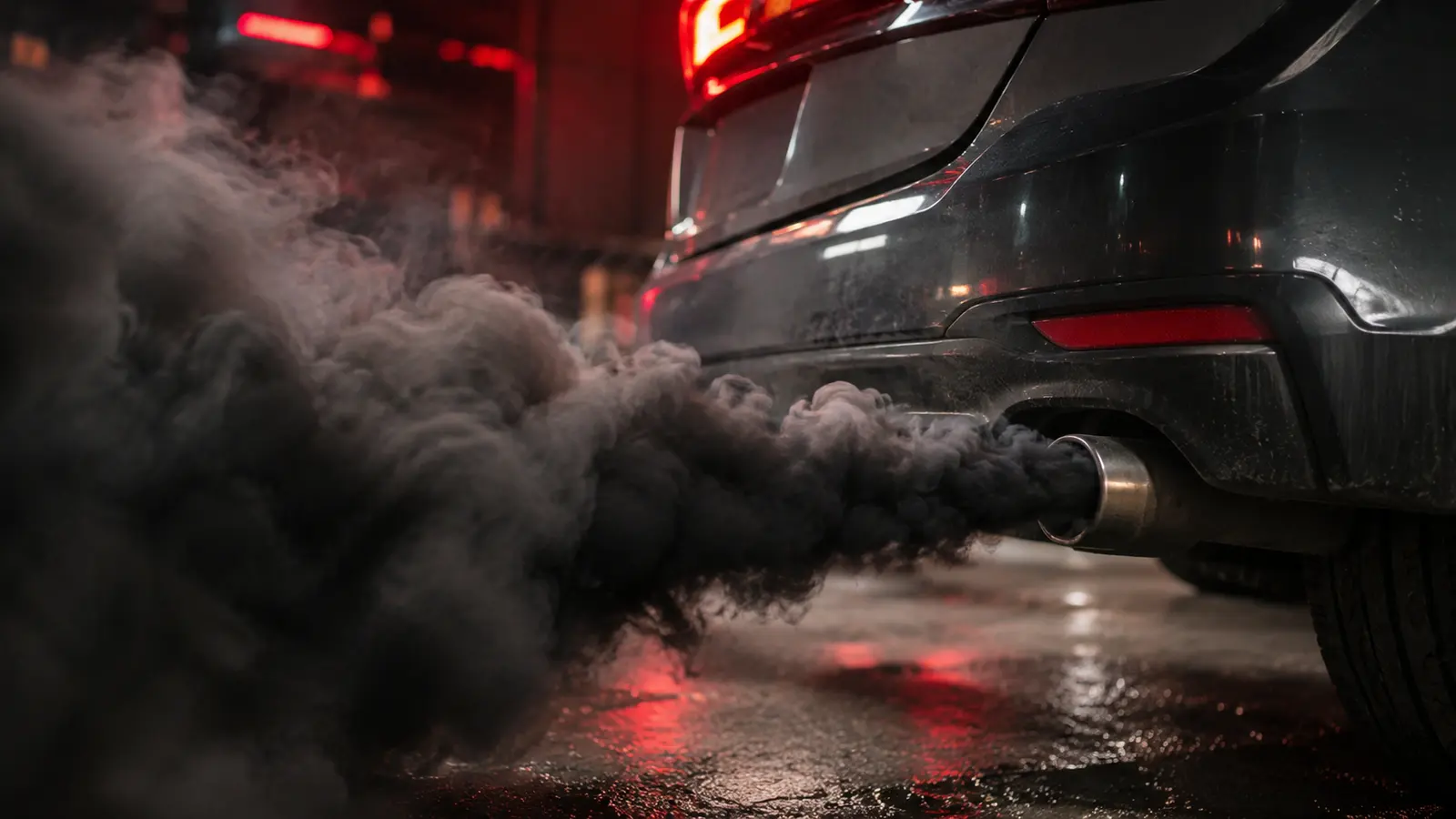
Car Exhaust and Emissions: The Complete Guide to Catalytic Converters, Sensors and Smoke
The exhaust system carries burnt gases away, cleans them with a catalytic converter (and on diesels a DPF and SCR), and quietens the engine. This guide explains each part, what different smoke colours and noises mean, catalytic converter theft, and emissions tests.
Updated November 22, 2026Read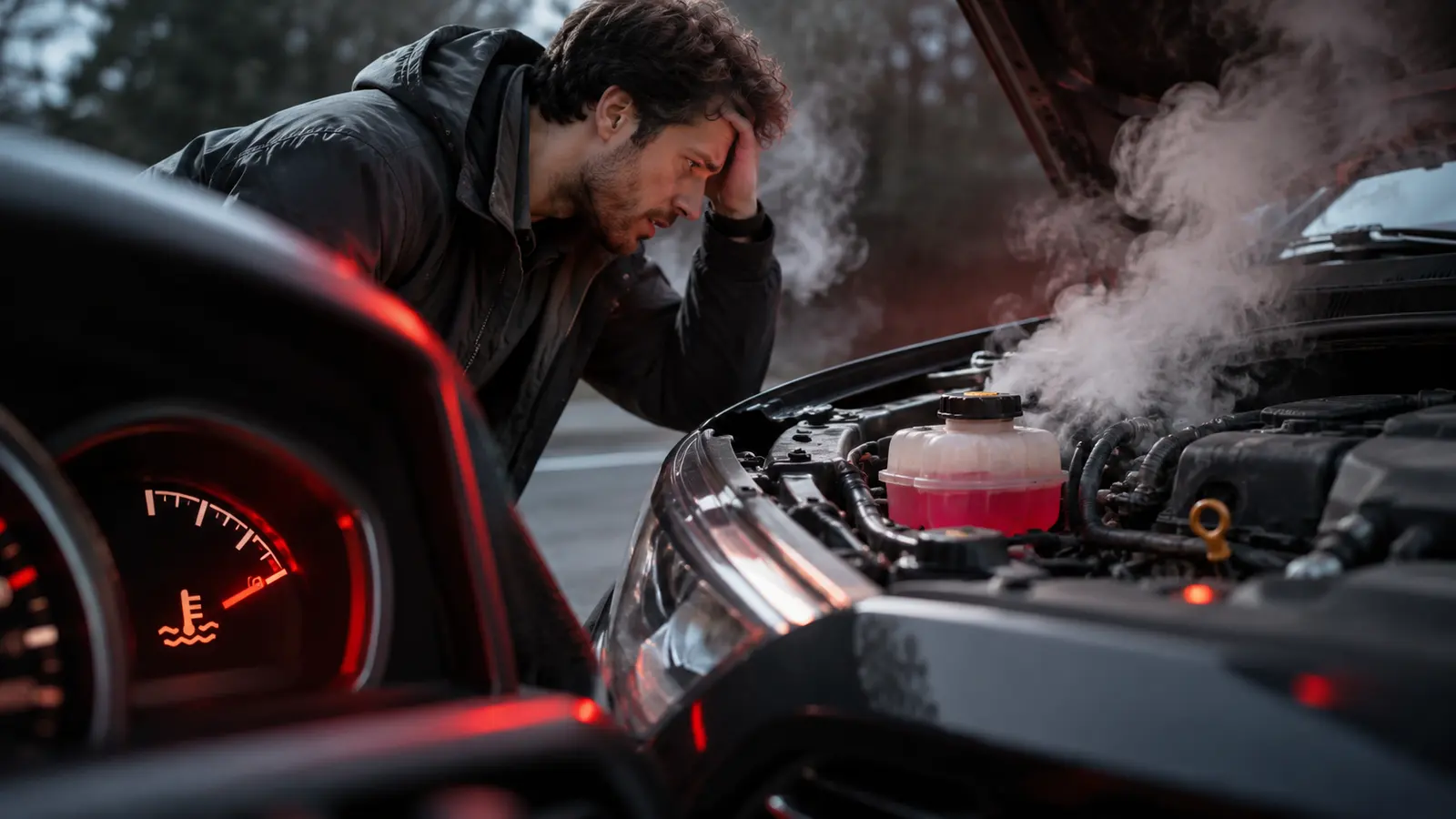 Engine Problems
Engine Cooling System: The Complete Guide to Coolant, Overheating and Repairs
The cooling system carries heat away from the engine using coolant, a water pump, a thermostat, a radiator and fans, all under pressure so coolant can run above 100 °C. This guide explains each part, why engines overheat, how to spot leaks and how to check coolant safely.
Updated November 22, 2026Read Engine Problems
Diesel Engines: The Complete Guide to How They Work, DPF, AdBlue and Care
Diesel engines ignite fuel by compression rather than a spark. Modern diesels add glow plugs, a particulate filter, AdBlue and EGR to start reliably and cut emissions. This guide explains each system, the warning lights and how to keep a diesel healthy.
Updated November 22, 2026Read