
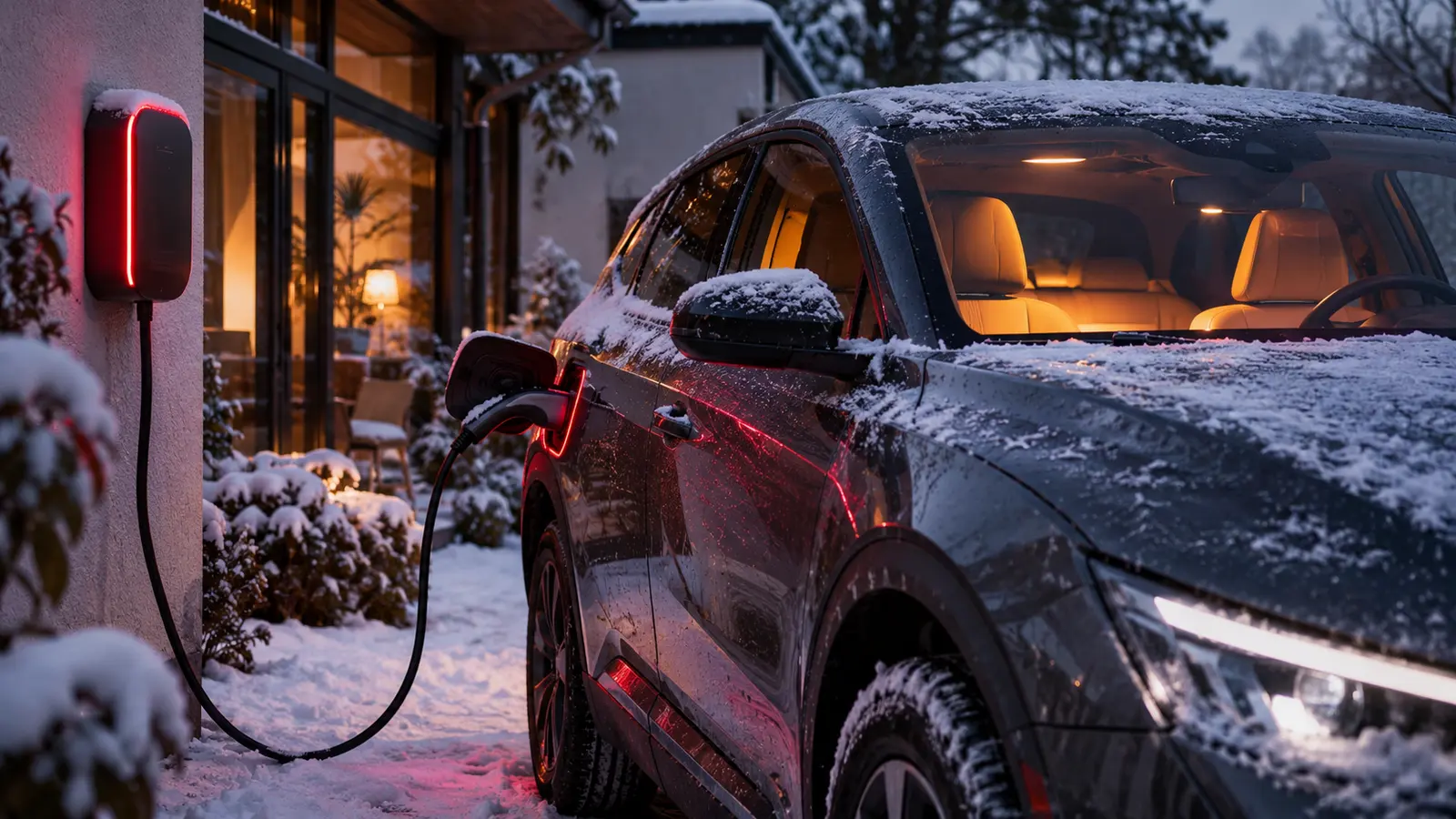
EV Range in Cold Weather: Why It Drops and How to Get More Miles
Quick answer
Electric cars lose noticeable range in the cold, mostly because heating the cabin takes energy. FuelEconomy.gov reports range drops of about 41% in its cold tests. Preheating while plugged in and using seat heaters claw a lot of it back.
- Topic
- Seasonal Driving
- Sections
- 7
- Reading time
- 3 min
- Applies to
- All regions
If you've just had your first winter with an electric car, you've probably noticed the range estimate shrink on cold mornings. It's normal, and US government data puts numbers on it. FuelEconomy.gov reports that in cold-weather testing, an EV's range can drop by about 41%, and that about two-thirds of the extra energy goes on heating the cabin. The good news is that you can win a lot of it back.
Why EVs lose range in the cold
- Heating the cabin. A petrol engine produces lots of waste heat for free. An EV has to make heat from battery energy, using a resistive heater or a heat pump. That's the biggest factor.
- Battery chemistry. NHTSA notes that batteries with liquid electrolyte have reduced energy storage and delivery capability at low temperatures. Many EVs use some battery power to keep the pack warm.
- Denser air and winter tyres. Cold air increases aerodynamic drag, and lower tyre pressures and winter compounds add rolling resistance.
- Less regenerative braking. A cold battery can't accept charge as quickly, so regeneration may be limited until it warms.
- Short trips. Warming a cold car takes the same energy whether you drive 3 miles or 30, so short trips suffer most.
How it compares with petrol and hybrids
FuelEconomy.gov's cold-weather tests (20 °F compared with 77 °F, city driving) found:
| Vehicle | Typical cold-weather effect |
|---|---|
| Conventional petrol car | About 15% lower mpg, up to 24% on short trips |
| Hybrid | About 30% to 34% lower |
| Electric vehicle | About 39% lower efficiency, about 41% less range |
So everything gets worse in winter. EVs simply show it more clearly because the range estimate is always on screen.
Seven ways to get more winter range
- Precondition while plugged in. Heat the cabin (and on many cars the battery) from the charger before you leave. FuelEconomy.gov specifically recommends preheating while plugged in.
- Use seat and steering-wheel heaters. They warm you directly and use far less energy than heating all the air in the cabin. FuelEconomy.gov recommends this too.
- Park in a garage or out of the wind where possible.
- Keep it plugged in overnight in freezing weather. NHTSA notes this helps keep the battery in its optimal temperature range.
- Check tyre pressures more often. Cold air lowers them. See tyre pressure in cold weather.
- Drive smoothly and a little slower on highways, where drag dominates.
- Remove roof boxes and racks when not in use.
Charging in winter
- Charging may be slower when the battery is cold. Many EVs can warm the battery on the way to a fast charger if you set it as the navigation destination.
- Keep a bigger buffer. Plan for lower range and arrive at chargers with more charge than in summer.
- Follow your manufacturer's charge-limit advice for daily use.
Don't forget the 12-volt battery
EVs still have a small 12-volt battery that runs the electronics and "wakes" the car. Cold weather is hard on it, just as in a petrol car. If your EV won't power up, the 12-volt battery is a common culprit. The US DOE's Alternative Fuels Data Center notes EVs need less routine maintenance than petrol cars, but they still need tyres, brakes and other systems checked. See car battery in cold weather.
Plan winter trips differently
On a road trip, check charger locations and expect lower range than in summer. Carry winter essentials (NHTSA lists blankets, water, food, a phone charger, an ice scraper and jumper cables) and keep the battery well charged. Our road trip car checklist covers the rest.
The bottom line
Winter range loss is real and predictable, and most of it is the cost of staying warm. Precondition while plugged in, use seat heaters, keep tyres inflated and plan a bigger buffer. Your EV will cope with winter far better than the range estimate on a freezing morning suggests.
Frequently asked questions
Is the range loss permanent?
No. Range returns as temperatures rise. Cold mostly affects how much energy is available and how much you use for heat.
Does a heat pump help?
Heat pumps are generally more efficient than resistive heaters, so they can reduce the winter range penalty. How much varies by car and temperature.
Should I charge to 100% in winter?
Follow your manufacturer's advice. Many suggest a daily limit below 100% and charging fully only before long trips.
Tools that can help
Need a mechanic?
Find rated garages near you by city, ZIP code or postcode, with directions.
About this guide
Written by Editorial Team using manufacturer documentation, government road-safety guidance and motoring-organisation advice. It explains likely causes and safe checks. It is not a diagnosis. How we write and check guides.
More from the blog
 Seasonal Driving
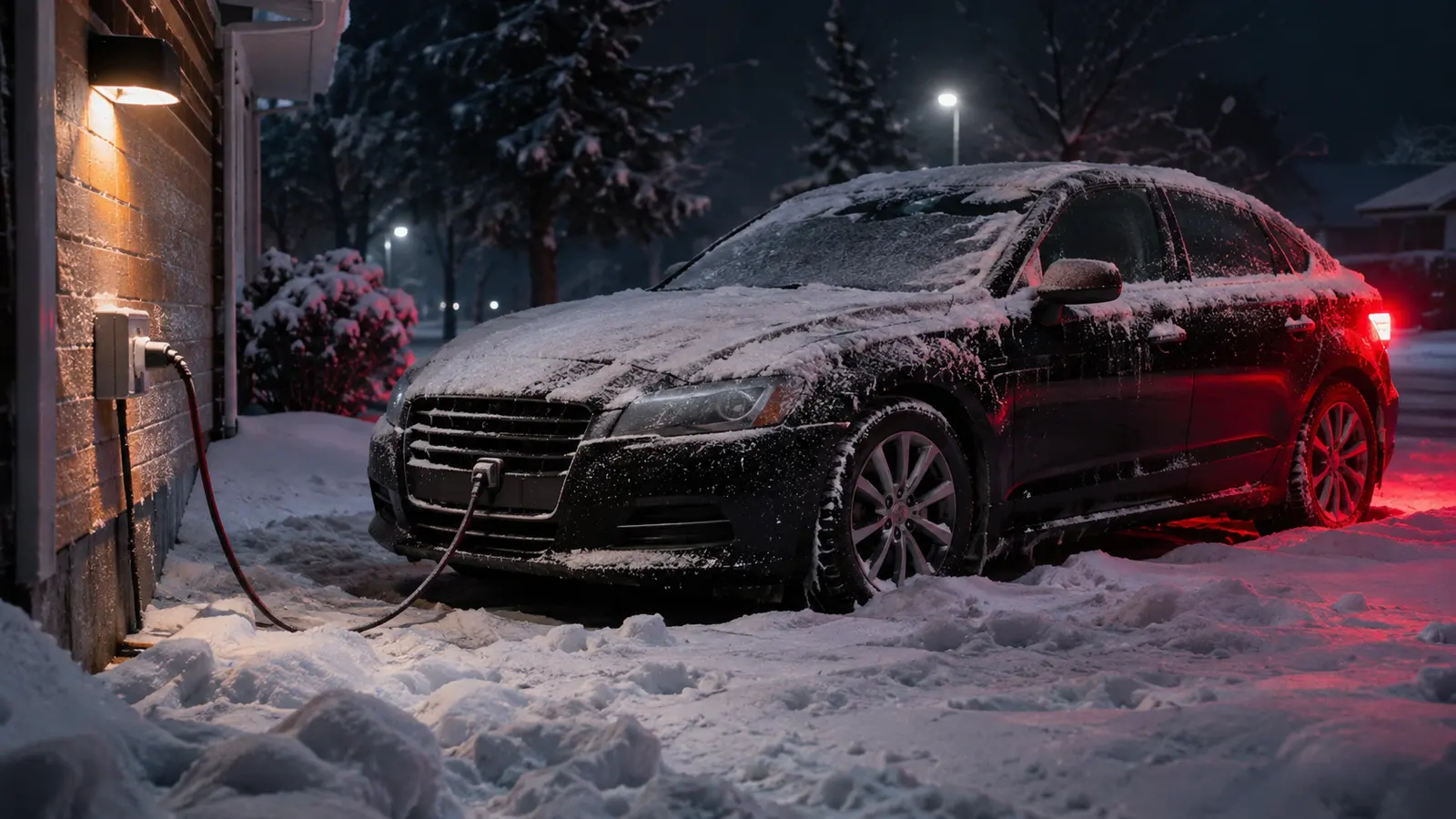
Winter Car Emergency Kit: What to Keep in Your Car
A winter car kit should keep you able to see, get moving, call for help and stay warm while you wait. Both NHTSA and the UK Highway Code publish lists: scraper and de-icer, shovel, traction aid, jump leads, torch, first aid kit, blankets, water and food.
Updated November 22, 2026Read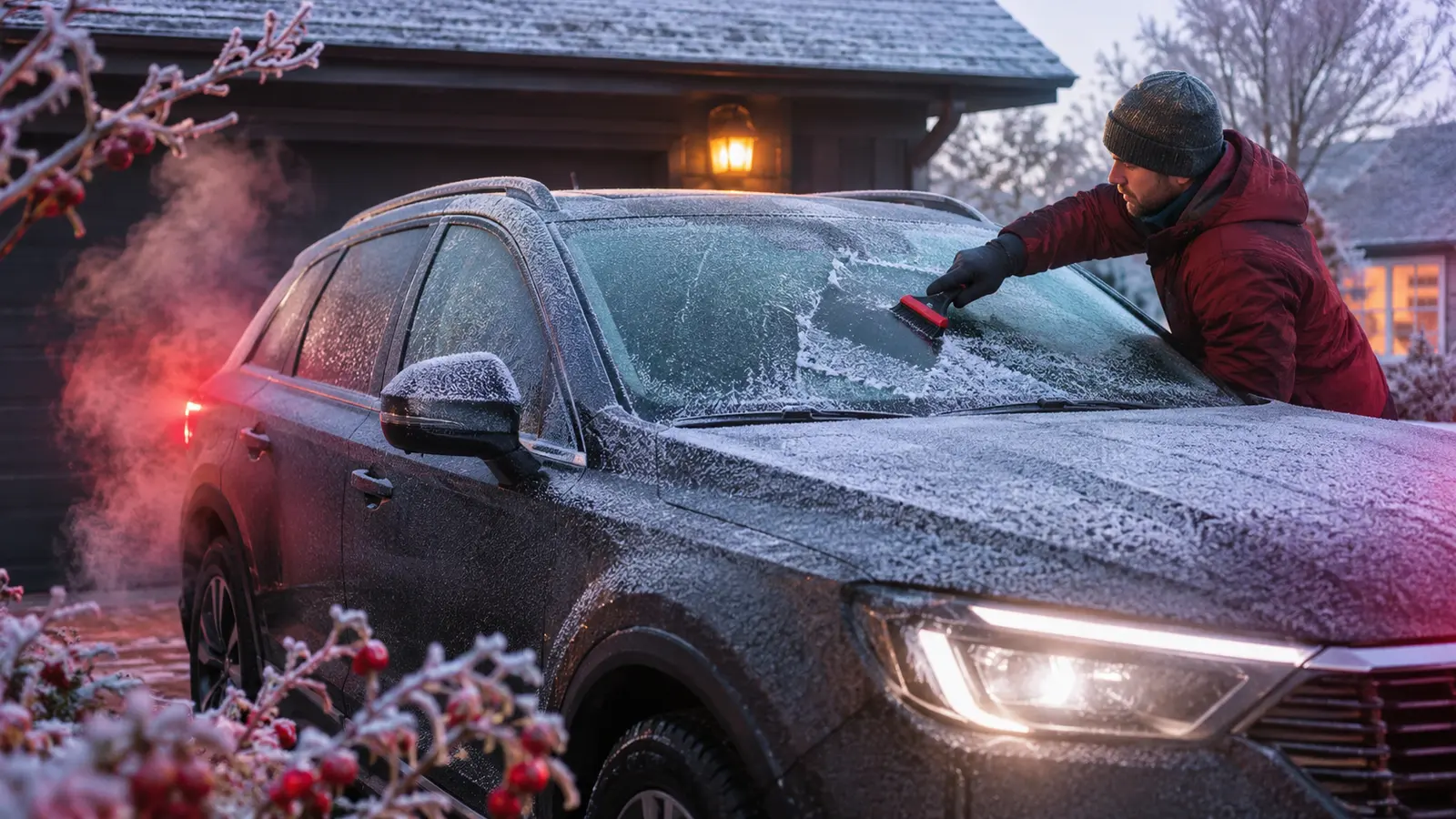 Seasonal Driving
Should You Warm Up Your Car in Winter? What the Evidence Says
For most modern cars the answer is no: FuelEconomy.gov says most manufacturers recommend driving off gently after about 30 seconds, because the engine warms faster while driving. Clear all the glass first, though.
Updated November 22, 2026ReadSeasonal DrivingHow to Drive on Black Ice (and How to Spot It)
Black ice is a thin, clear glaze you can barely see. Slow down early, leave far more space (the Highway Code says stopping distances can be ten times longer on ice), and make every input gentle. If you skid, look and steer where you want to go.
Updated November 22, 2026Read