
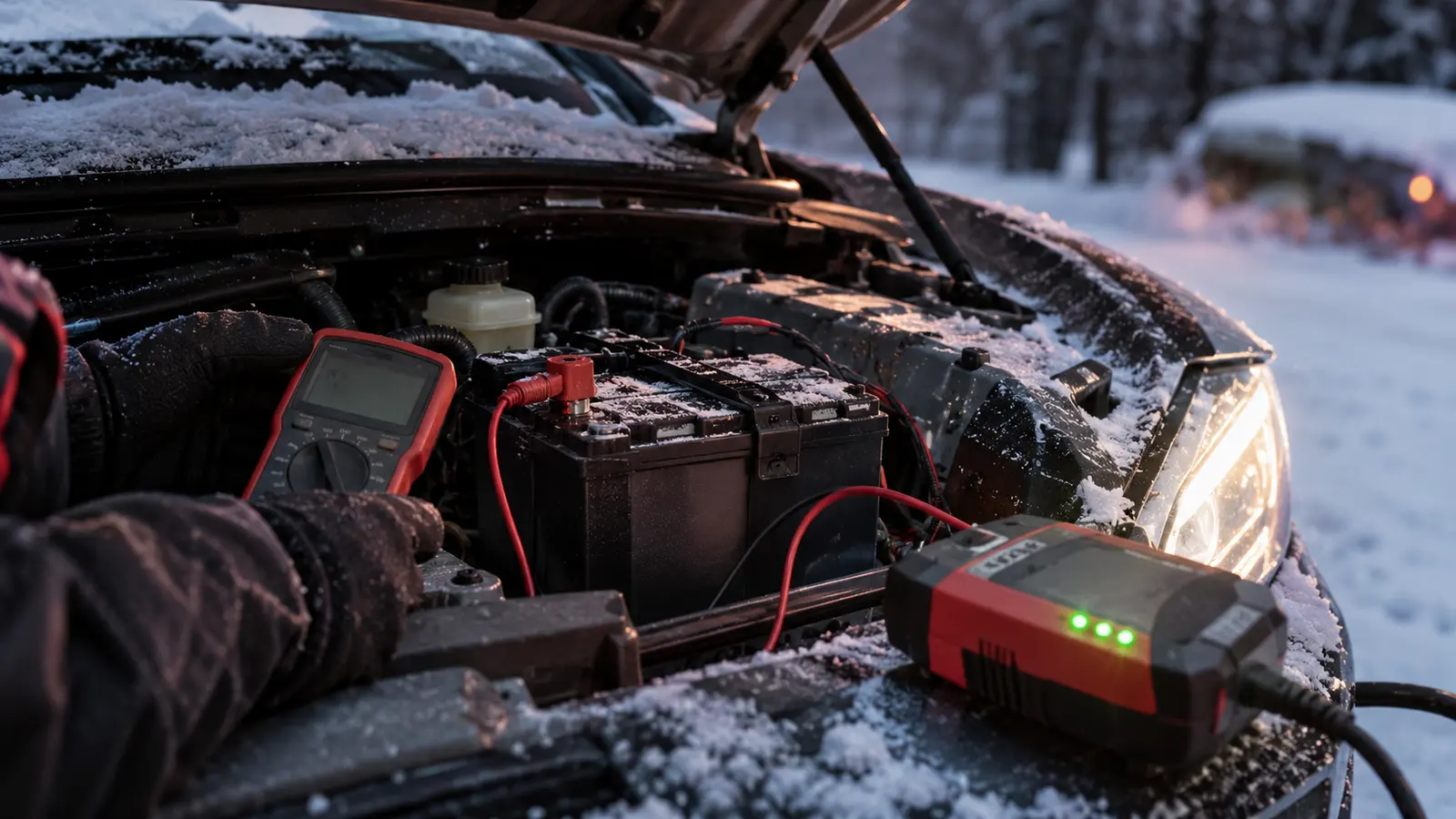
Car Battery in Cold Weather: Testing, Charging and Protection
Quick answer
Cold slows the battery's chemistry, so it delivers less cranking power just when the engine needs more. Test before winter, keep it charged and use the right CCA rating.
- Topic
- Seasonal Driving
- Sections
- 9
- Reading time
- 2 min
- Applies to
- Canada
Cold weather is hard on car batteries. Low temperatures slow the battery's chemical reaction, so it delivers less cranking power just when cold, thick oil makes the engine harder to turn. A battery that coped in autumn can fail on the first very cold morning.
Signs your battery is struggling
- Slow, laboured cranking on cold mornings
- Clicking when you try to start
- Dim lights at start-up
- Battery more than about four years old
Winter battery plan at a glance
| When | What to do |
|---|---|
| Before the first frost | Load-test the battery and charging system |
| Weekly in deep cold | Drive at least 30 minutes, or use a smart charger |
| Below about −20 °C | Plug in a block heater or battery warmer |
| If it dies | Jump start, then test. Don't charge a frozen battery |
Check these in order
- Get a load test before winter. Many parts stores and garages offer it.
- Check the terminals are clean and tight.
- Check the CCA rating matches or exceeds the handbook requirement.
- Consider a smart charger if the car is parked for days at a time.
Why cold matters
Battery capacity drops as temperature falls. Meanwhile, engine oil thickens and the starter needs more current. Short trips with heater, lights and heated seats on don't give the alternator time to recharge.
Charging and maintaining
A smart (multi-stage) charger keeps the battery topped up without overcharging. Follow the charger's instructions for your battery type (flooded, EFB, AGM, lithium).
Choosing a battery for cold climates
Pick the correct group size and technology for your car and a CCA rating at or above the maker's specification. Stop-start cars need EFB or AGM batteries.
Safety
Never charge or jump a battery that looks frozen, swollen or cracked. Wear eye protection when working near batteries.
Regional notes
Most relevant in Canada and the northern US. Roadside assistance clubs like CAA and AAA test batteries at the roadside in winter.
Related problems
Frequently asked questions
Why do batteries die in winter?
Cold slows the chemical reaction that produces current, while cold, thick oil makes the engine harder to turn. A weak battery that coped in autumn can fail on the first very cold morning.
What is CCA?
Cold cranking amps: how much current the battery can deliver at −18 °C (0 °F). Higher CCA helps in cold climates.
Can a frozen battery be charged?
No. A frozen battery can crack or explode when charged. Let it thaw and have it tested.
Tools that can help
How the parts involved work
Need a mechanic?
Find rated garages near you by city, ZIP code or postcode, with directions.
About this guide
Written by Editorial Team using manufacturer documentation, government road-safety guidance and motoring-organisation advice. It explains likely causes and safe checks. It is not a diagnosis. How we write and check guides.
More seasonal driving guides
 Seasonal Driving
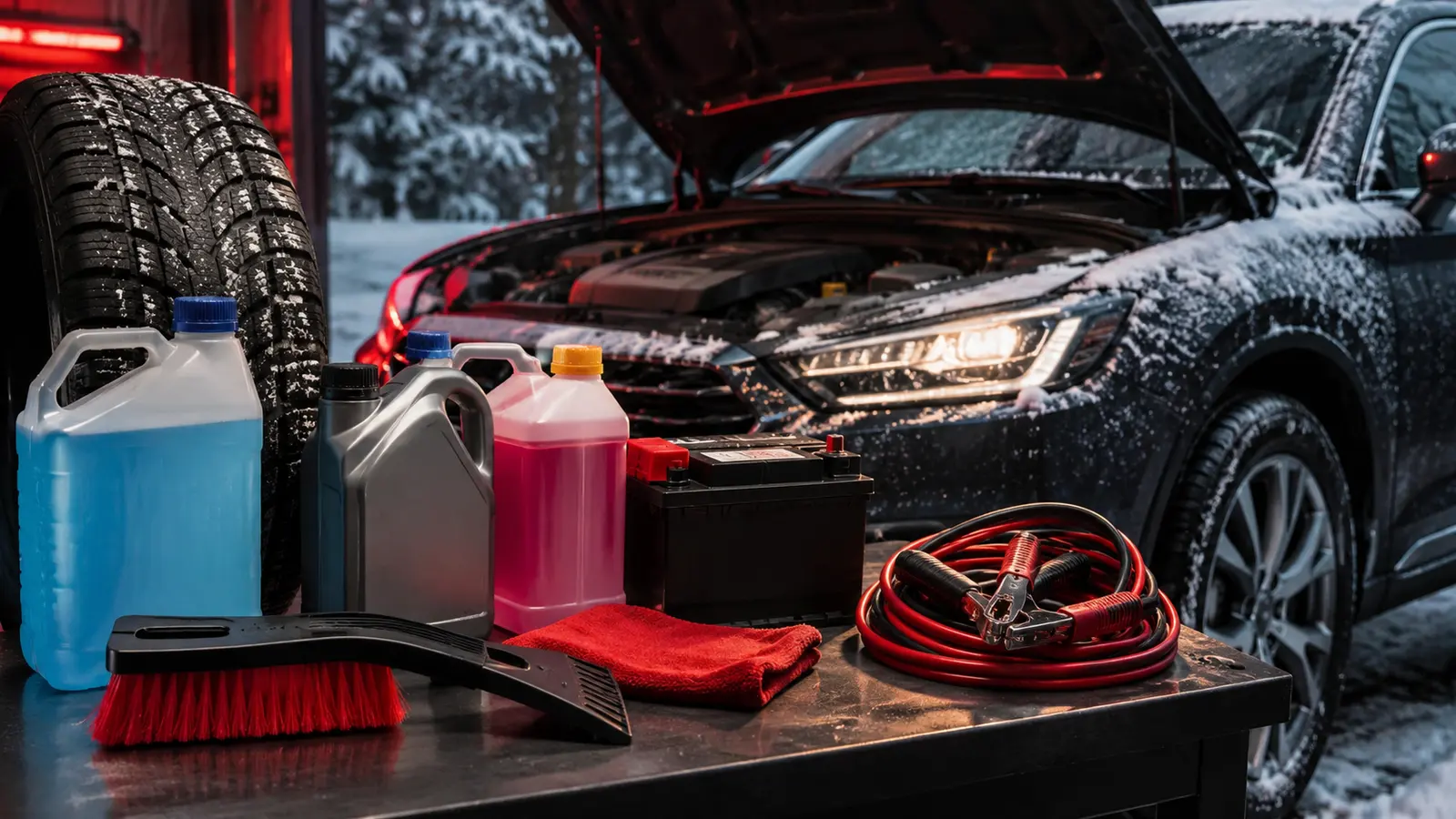
Winter Driving: The Complete Guide to Preparing Your Car and Driving Safely
Winter tests batteries, tyres and drivers. This guide brings together how to prepare your car, what to carry, how to drive on snow and ice, what to do in a skid or if you're stranded, and how cold affects EVs and fuel economy, using NHTSA and UK Highway Code advice.
Updated November 22, 2026Read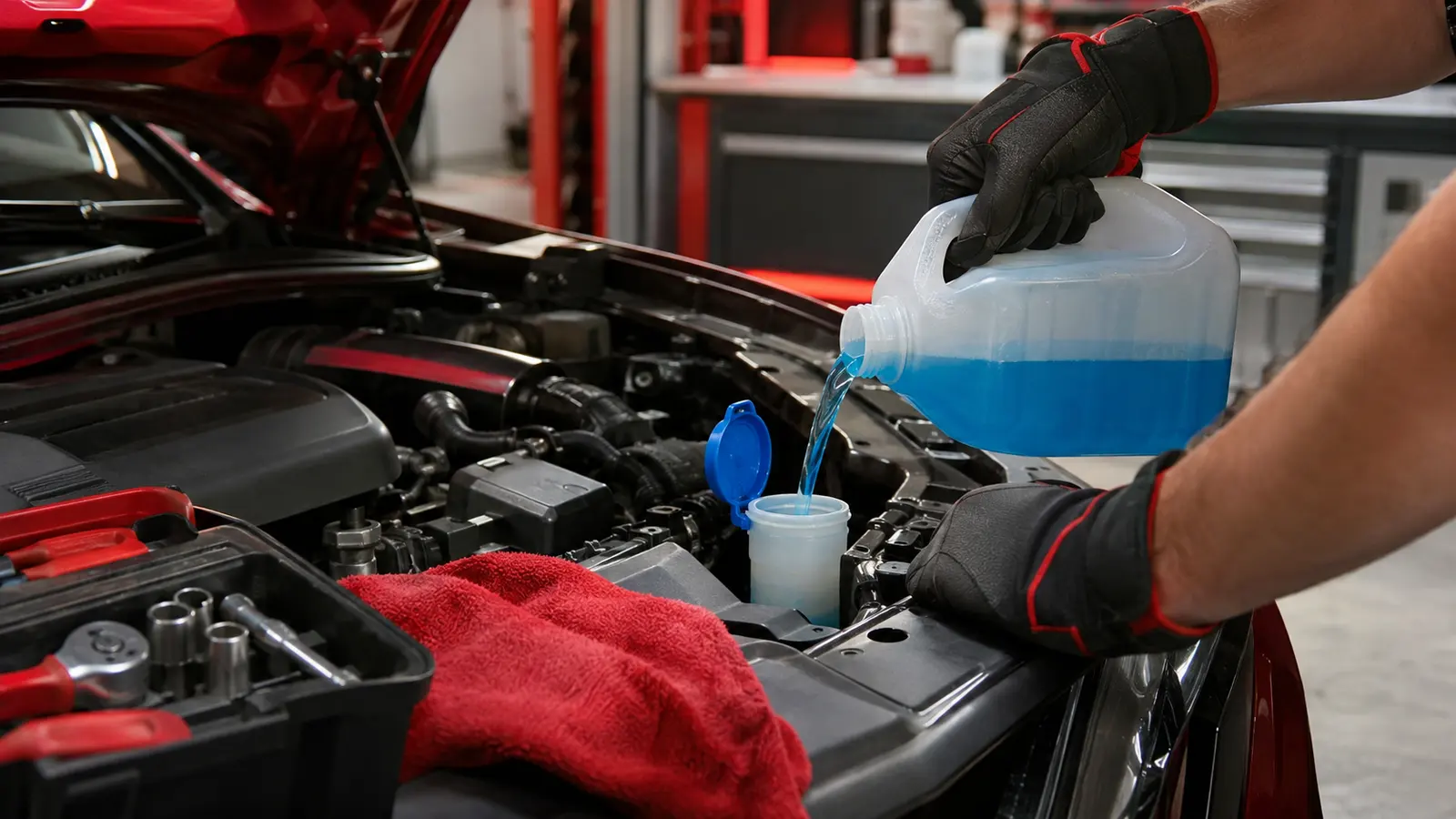 Seasonal Driving
Windscreen Washer Fluid Frozen: What to Do
Washer fluid freezes when it's too weak for the temperature, often because it was topped up with plain water. Thaw it by parking somewhere warmer or driving with the engine warm, then switch to a winter screenwash rated for your climate.
Updated November 22, 2026Read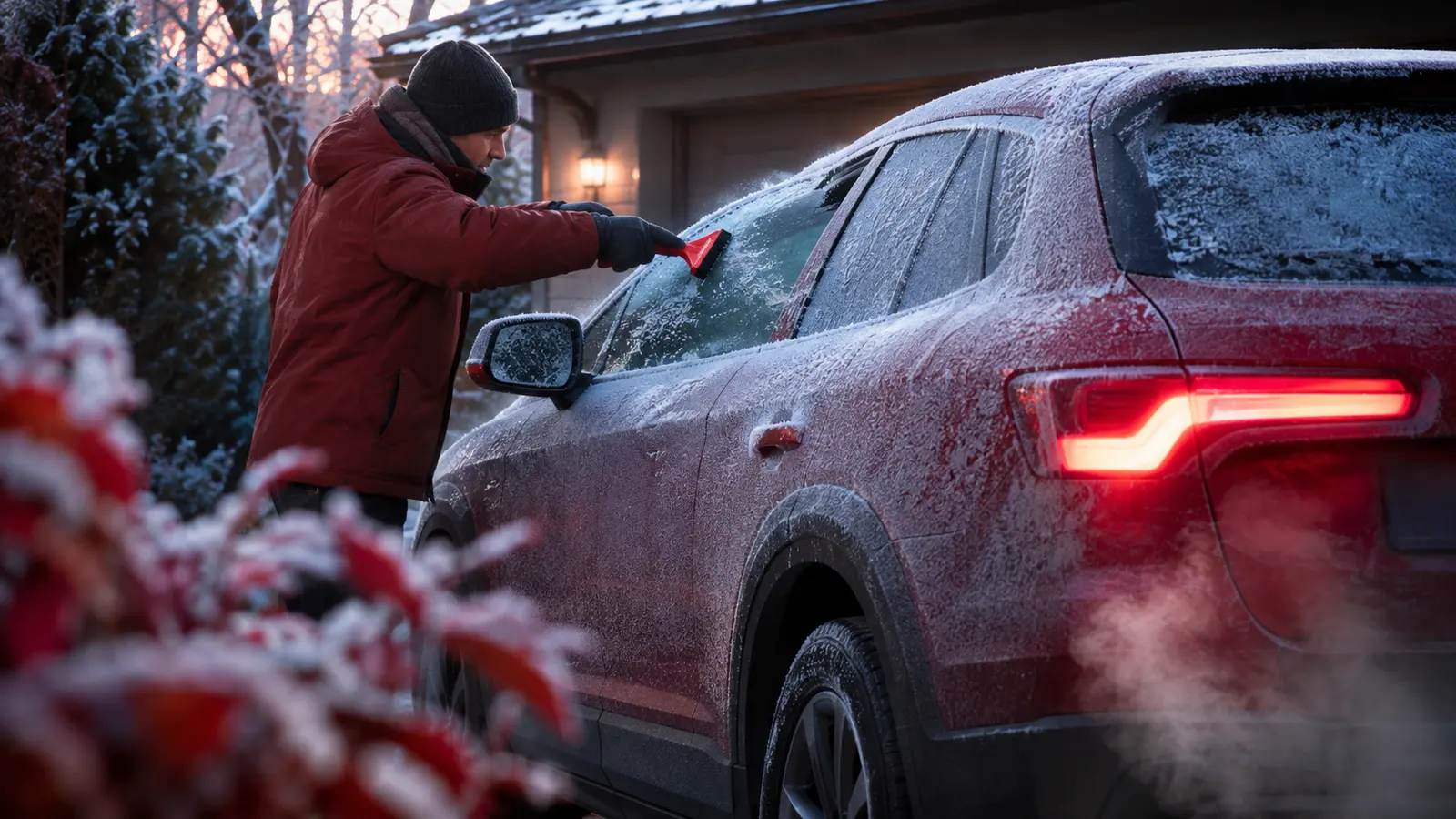 Seasonal Driving
Car Door Frozen Shut: How to Open It Safely
Push firmly against the frozen door to break the ice seal, then pull. Try other doors and run the engine and heater. Use de-icer on locks and seals; never pour boiling water on the glass. Prevent it by treating the rubber seals before frosts.
Updated November 22, 2026Read