
Car Won't Start in the Cold but the Battery Is Good
Part of: Car Won't Start: Find the Cause
Quick answer
Cranking but not catching in the cold usually means fuel, spark or a sensor problem — or a battery that only looks fine at rest.
- Topic
- Seasonal Driving
- Sections
- 7
- Reading time
- 2 min
- Applies to
- Canada
If your car cranks at normal speed but won't start on a cold morning, the battery is probably not the problem — the engine is missing fuel, spark or the right air–fuel mixture. If it cranks slowly, the battery may still be at fault even if it "tested good", because cold cuts its cranking power sharply.
First: fast crank or slow crank?
- Slow, laboured crank: battery, cables or very thick oil.
- Normal crank, no start: fuel delivery, ignition, or a sensor giving the computer the wrong temperature.
Common causes in cold weather
A battery that's only "good" at rest
A multimeter can read over 12.6 V on a battery that collapses under load. At −18°C (0°F) a battery delivers far less current than at 25°C. Ask for a load test, and check the cold cranking amps (CCA) rating matches your vehicle.
Thick engine oil
Cold oil thickens and makes the engine harder to turn. Use the viscosity grade your owner's manual specifies for winter (often a 0W or 5W oil).
Fuel problems
Moisture in the tank can freeze in lines and filters. Keeping the tank at least half full in winter reduces condensation. Diesels can suffer from fuel waxing if summer-grade fuel is used in deep cold.
Worn spark plugs or weak ignition
Cold starts need a strong spark. Plugs past their interval are a common cause of hard starting in winter.
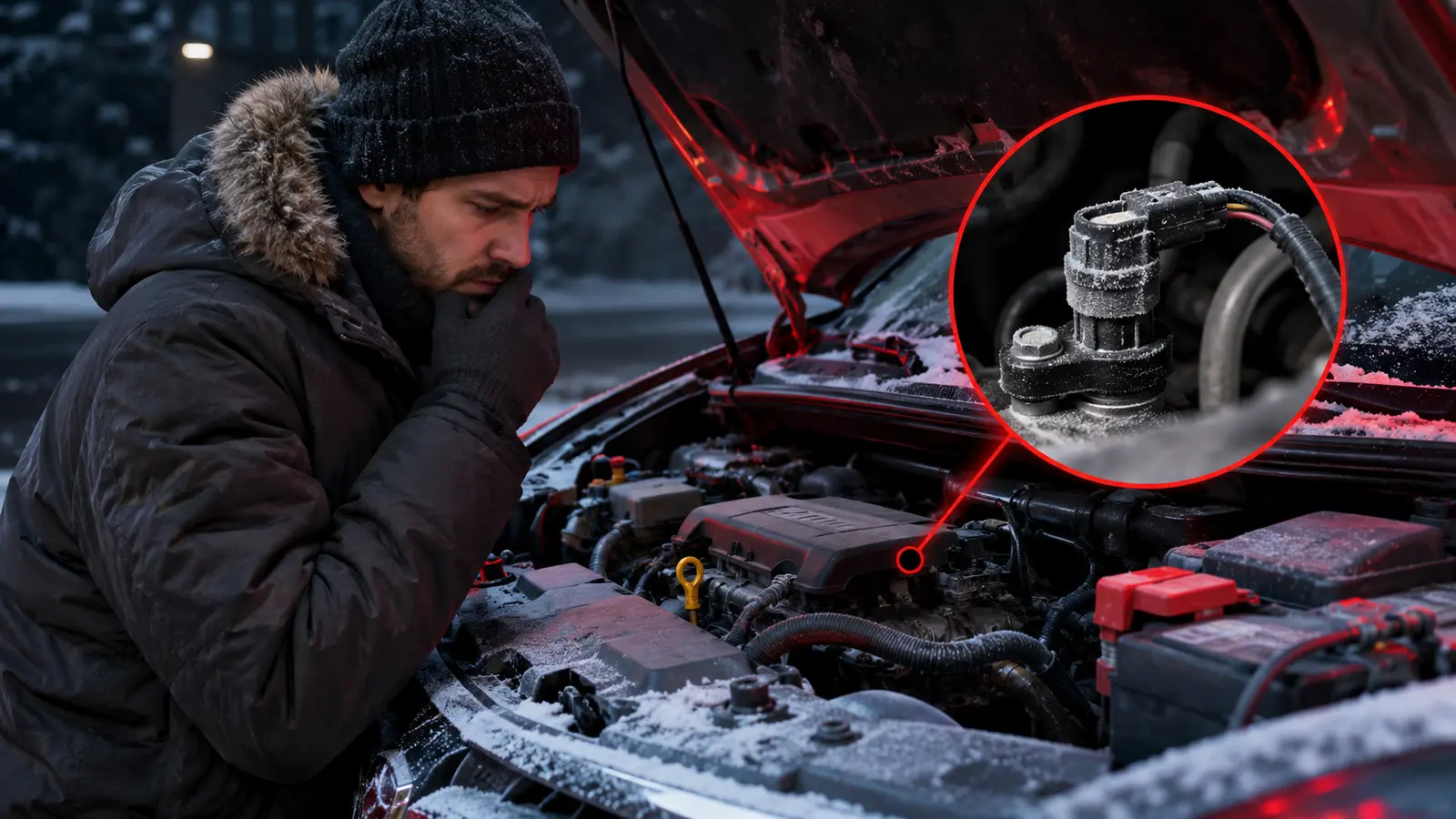
Faulty coolant temperature sensor
If the sensor tells the computer the engine is warm, it won't add the extra fuel a cold start needs.
Flooded engine
Repeated short cranks can flood the engine. Wait a few minutes before trying again, and follow your manual's procedure.
Canadian winter habits that help
- Use your block heater. Plug in two to four hours before driving when temperatures are well below freezing. A timer saves power.
- Keep the tank above half to limit condensation.
- Test the battery every fall once it is three years or older.
- Switch to winter tires when temperatures stay below about 7°C — they also help you stop if you do get going.
When to call for help
If the engine cranks normally and still won't start after a couple of attempts, stop cranking (you'll drain the battery) and get a diagnostic scan. A technician can check fuel pressure, spark and sensor data in a few minutes.
Is it safe to keep trying?
Two or three attempts of up to 10 seconds, with a pause between them, are fine. Long cranking drains the battery and can flood the engine, making it harder to start once things warm up.
What affects the cost
A battery or spark plugs are routine. Fuel pumps, crank sensors and glow plugs (on diesels) cost more. A block heater, if your car doesn't have one, is a one-off cost that prevents many cold-start problems.
Related problems
Frequently asked questions
Does a block heater help with cold starts?
Yes. Plugging in an engine block heater a few hours before driving warms the oil and coolant, which makes the engine easier to crank and start in deep cold.
Can a battery test fine and still fail in the cold?
Yes. A voltage reading at rest doesn't show cranking ability. A load test at a shop is far more reliable.
Tools that can help
How the parts involved work
Need a mechanic?
Find rated garages near you by city, ZIP code or postcode, with directions.
About this guide
Written by Editorial Team using manufacturer documentation, government road-safety guidance and motoring-organisation advice. It explains likely causes and safe checks. It is not a diagnosis. How we write and check guides.
More seasonal driving guides
 Seasonal Driving
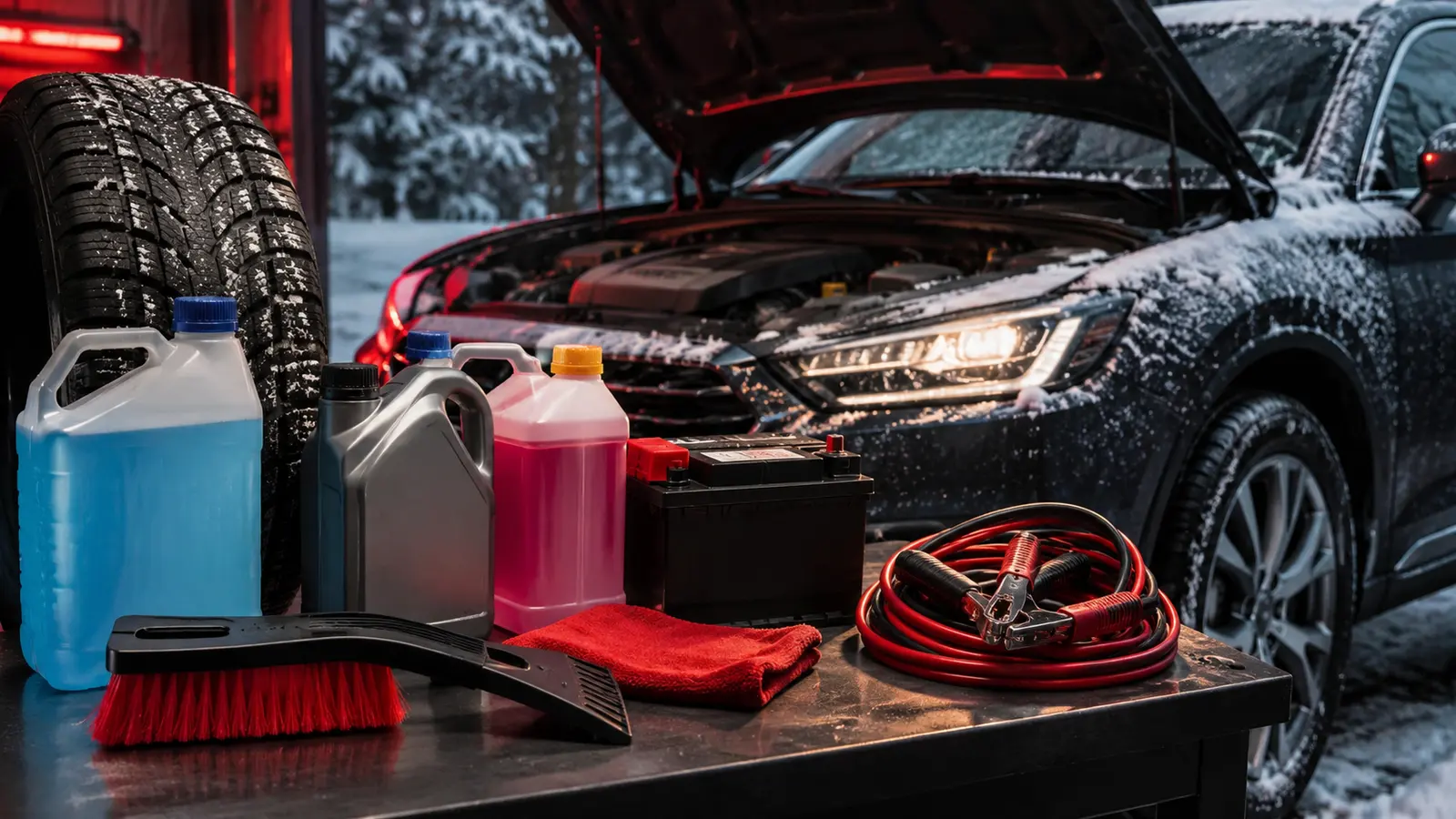
Winter Driving: The Complete Guide to Preparing Your Car and Driving Safely
Winter tests batteries, tyres and drivers. This guide brings together how to prepare your car, what to carry, how to drive on snow and ice, what to do in a skid or if you're stranded, and how cold affects EVs and fuel economy, using NHTSA and UK Highway Code advice.
Updated November 22, 2026Read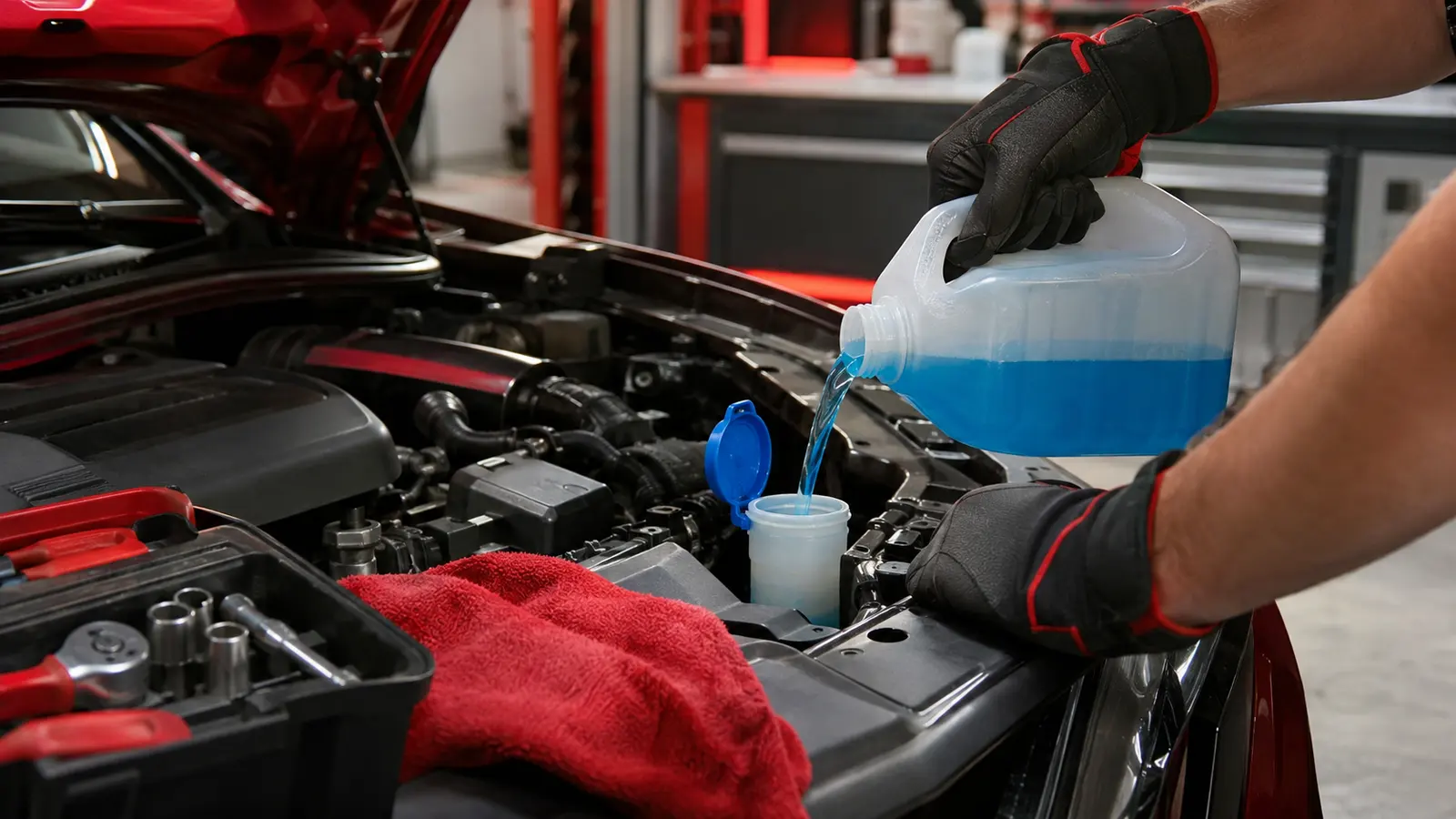 Seasonal Driving
Windscreen Washer Fluid Frozen: What to Do
Washer fluid freezes when it's too weak for the temperature, often because it was topped up with plain water. Thaw it by parking somewhere warmer or driving with the engine warm, then switch to a winter screenwash rated for your climate.
Updated November 22, 2026Read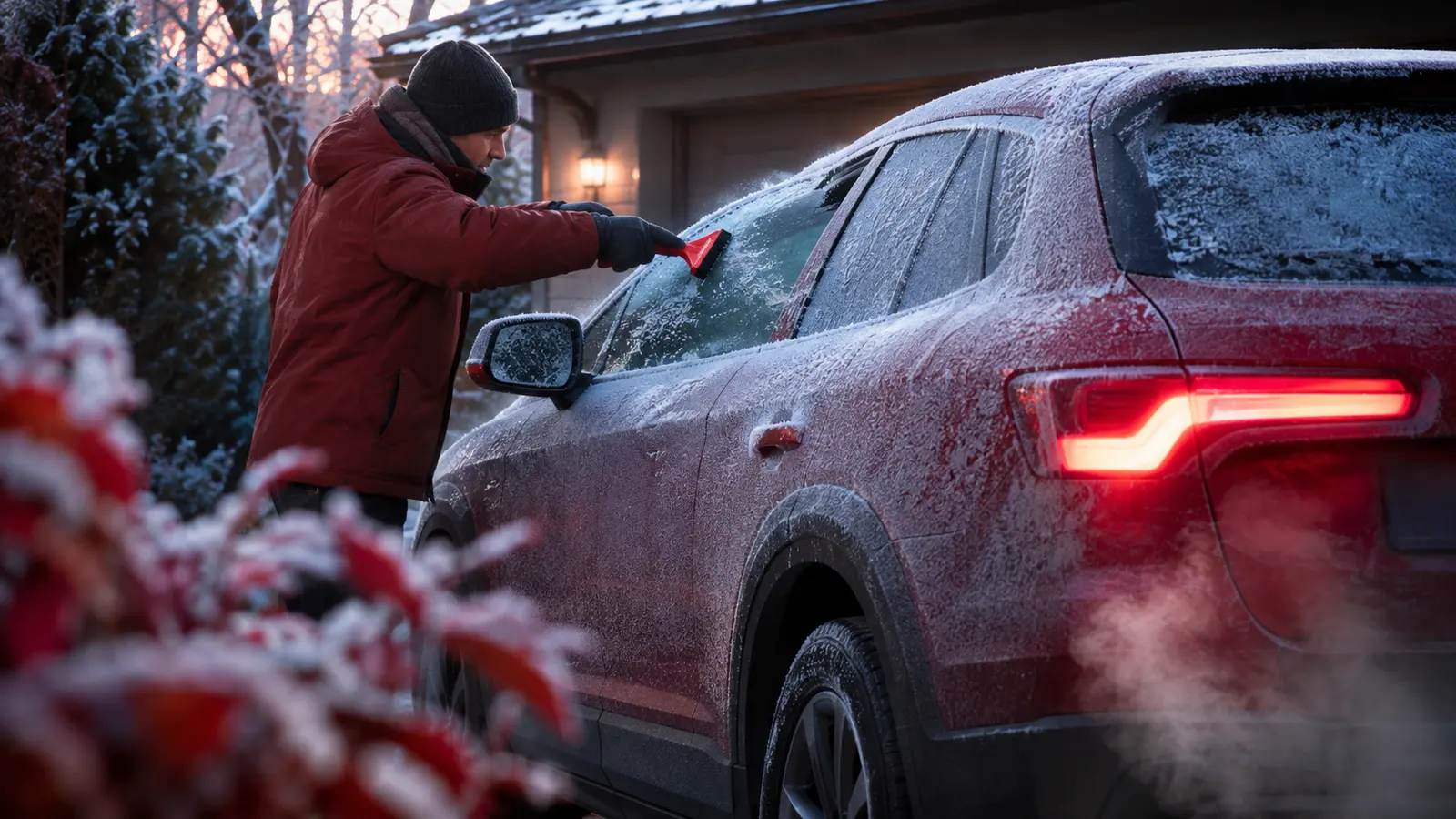 Seasonal Driving
Car Door Frozen Shut: How to Open It Safely
Push firmly against the frozen door to break the ice seal, then pull. Try other doors and run the engine and heater. Use de-icer on locks and seals; never pour boiling water on the glass. Prevent it by treating the rubber seals before frosts.
Updated November 22, 2026Read