
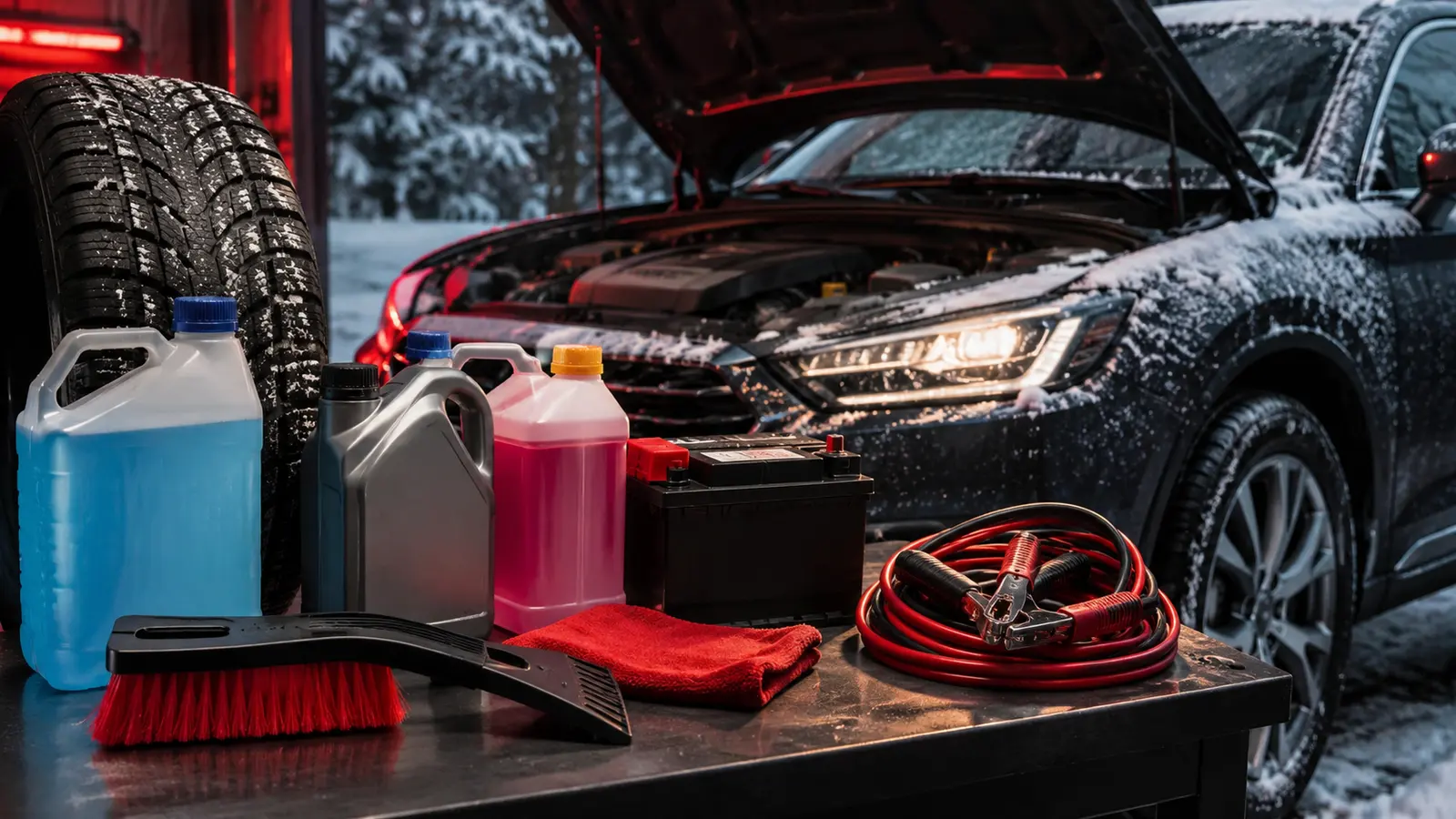
Winter Driving: The Complete Guide to Preparing Your Car and Driving Safely
Quick answer
Winter tests batteries, tyres and drivers. This guide brings together how to prepare your car, what to carry, how to drive on snow and ice, what to do in a skid or if you're stranded, and how cold affects EVs and fuel economy, using NHTSA and UK Highway Code advice.
- Topic
- Seasonal Driving
- Sections
- 11
- Reading time
- 4 min
- Applies to
- All regions
Winter driving puts extra strain on your car and demands a different way of driving. Batteries weaken in the cold, tyres lose grip, visibility drops, and stopping distances on ice can be ten times longer than on dry roads. This AllInformations Automotive guide brings together how to prepare, what to carry and how to drive, drawing on NHTSA and UK Highway Code advice.
Prepare your car
Battery and charging
NHTSA notes that battery power drops with the temperature, and engines need more battery power to start in the cold. Have the battery, charging system and belts checked before winter. See car battery in cold weather and car batteries: the complete guide.
Tyres
Tyre pressure falls as it gets colder. Check monthly when cold, inflate to the door-placard figure, and make sure tread is adequate. Consider winter or all-weather tyres where winters are harsh. See tyre pressure in cold weather, winter vs all-season tyres and the three-peak mountain snowflake symbol.
Coolant
Check the level and that the coolant's freeze protection suits your climate. See how to check coolant strength and engine cooling system: the complete guide.
Wipers and washer fluid
You can use a lot of washer fluid in one storm. Fill with winter fluid and replace worn blades. See washer fluid frozen and how to replace wiper blades.
Lights
Check every bulb and keep lenses clean. See how to change a headlight bulb.
Full checklist
See the winter car maintenance checklist.
Carry a winter kit
What to pack
NHTSA lists a snow shovel, broom and ice scraper, traction material such as sand or cat litter, jumper cables, a torch, warning devices, a first aid kit, blankets, water, food and a phone charger. The Highway Code adds de-icer, warm clothing, boots and a warm drink. See winter car emergency kit.
Before every trip
Plan
Check the forecast and traffic. The Highway Code advises against driving in icy or snowy conditions unless the journey is essential.
Clear everything
You must be able to see: clear all windows, mirrors, lights, the roof and number plates. See how to defrost a windscreen fast and car door frozen shut.
Warming up
Most modern cars don't need long idling; drive off gently after about 30 seconds. See should you warm up your car in winter?.
Keep the tank full
NHTSA advises keeping the fuel tank close to full, and EV batteries well charged.
Driving on snow and ice
Slow down and leave space
Reduce speed and greatly increase your following distance. The Highway Code warns stopping distances can be ten times greater on ice.
Be gentle
Accelerate, brake and steer smoothly. In a manual, a higher gear at low revs reduces wheelspin.
Spot ice
Black ice is a thin, clear glaze that's nearly invisible. Watch for glossy roads, quiet tyres and light steering, especially on bridges and in shade. See how to drive on black ice.
Give snowplows room
NHTSA advises not crowding or travelling beside a plow, and staying well back.
Braking and skids
Braking with ABS
NHTSA: with ABS, apply firm, continuous pressure; without ABS, pump the brakes if the wheels start to lock. See car brakes: the complete guide.
Recovering a skid
Ease off the accelerator, look and steer gently where you want to go, and avoid sudden braking.
Driver aids
Traction control and stability control help but can't create grip. See ESC vs traction control.
If you get stuck or stranded
NHTSA's advice
- Stay with your vehicle and don't overexert yourself.
- Make it visible with bright markers and the interior light on.
- Prevent carbon monoxide poisoning: clear snow from the exhaust and run the engine only sporadically.
Cold weather and fuel economy
What to expect
FuelEconomy.gov reports a conventional car's city fuel economy is roughly 15% lower at 20 °F than at 77 °F, and up to 24% lower on short trips. Hybrids typically drop more.
Electric cars in winter
Range and charging
EV range can drop by about 41% in cold-weather tests, mostly from cabin heating. Precondition while plugged in and use seat heaters. See EV range in cold weather and electric and hybrid cars: the complete guide.
Diesels in winter
Cold starts
Wait for the glow plug light before cranking, and use winter-grade diesel where available. See how to start a diesel in cold weather.
Very cold climates
Block heaters
In very cold regions, a block heater makes starting easier. See the block heater guide.
Related guides
Frequently asked questions
How much longer are stopping distances on ice?
The UK Highway Code warns stopping distances can be ten times greater than on dry roads.
Should I let air out of my tyres for snow?
No. Keep them at the maker's recommended pressure, checked when cold.
What should I do if I get stuck?
NHTSA advises staying with the car, making it visible, clearing snow from the exhaust and running the engine only sporadically to keep warm.
Tools that can help
Need a mechanic?
Find rated garages near you by city, ZIP code or postcode, with directions.
About this guide
Written by Editorial Team using manufacturer documentation, government road-safety guidance and motoring-organisation advice. It explains likely causes and safe checks. It is not a diagnosis. How we write and check guides.
More seasonal driving guides
 Seasonal Driving
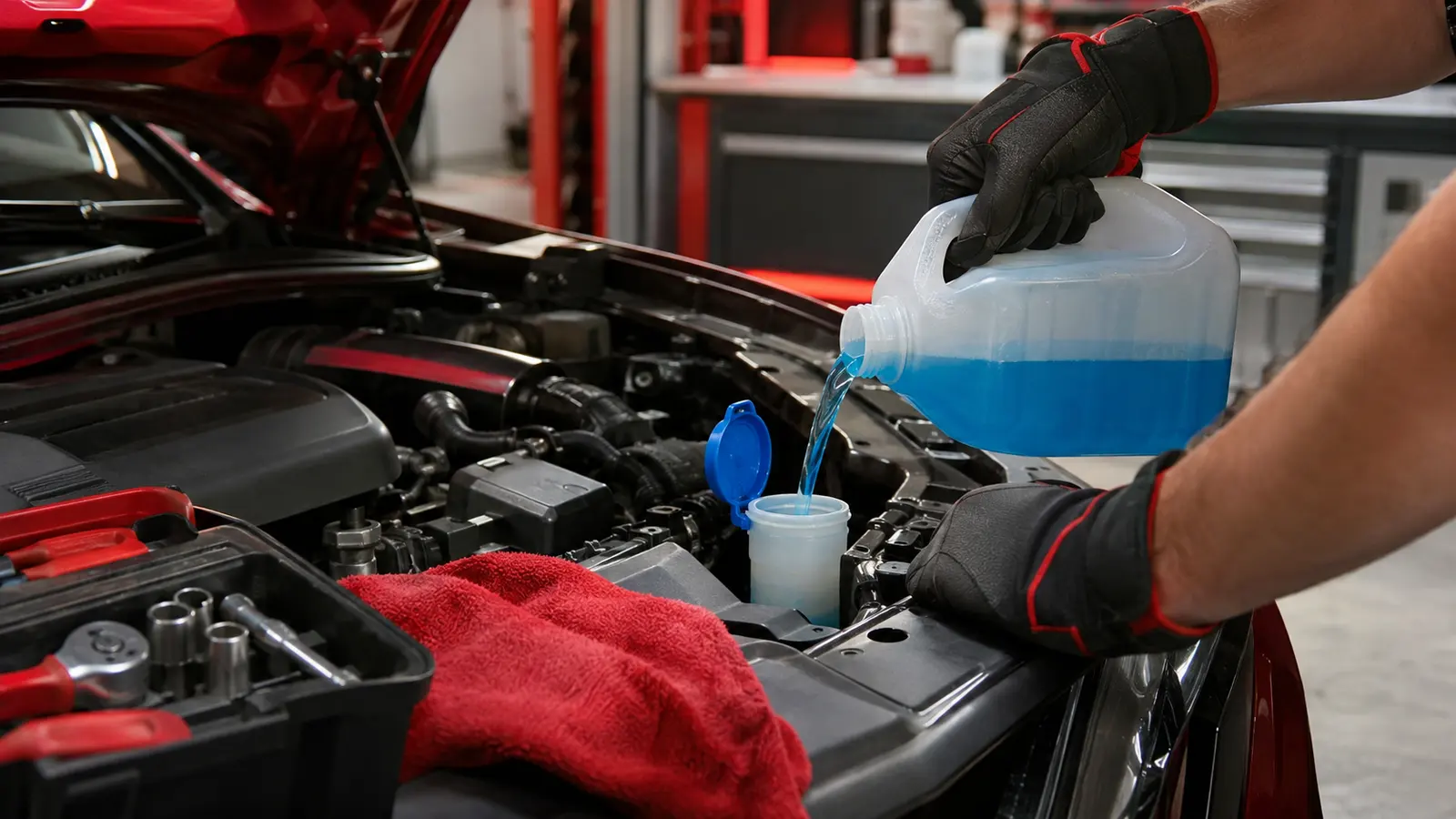
Windscreen Washer Fluid Frozen: What to Do
Washer fluid freezes when it's too weak for the temperature, often because it was topped up with plain water. Thaw it by parking somewhere warmer or driving with the engine warm, then switch to a winter screenwash rated for your climate.
Updated November 22, 2026Read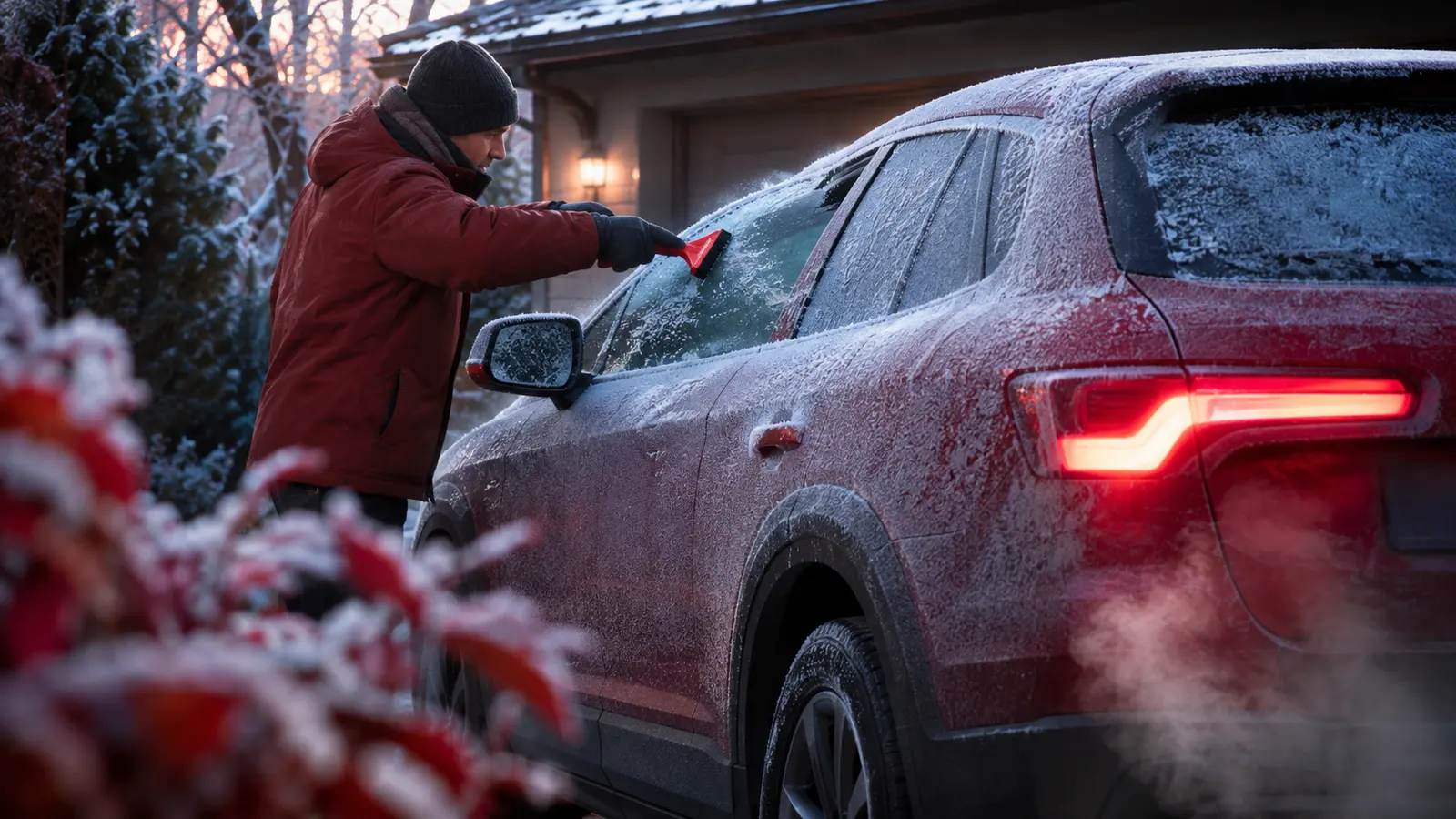 Seasonal Driving
Car Door Frozen Shut: How to Open It Safely
Push firmly against the frozen door to break the ice seal, then pull. Try other doors and run the engine and heater. Use de-icer on locks and seals; never pour boiling water on the glass. Prevent it by treating the rubber seals before frosts.
Updated November 22, 2026Read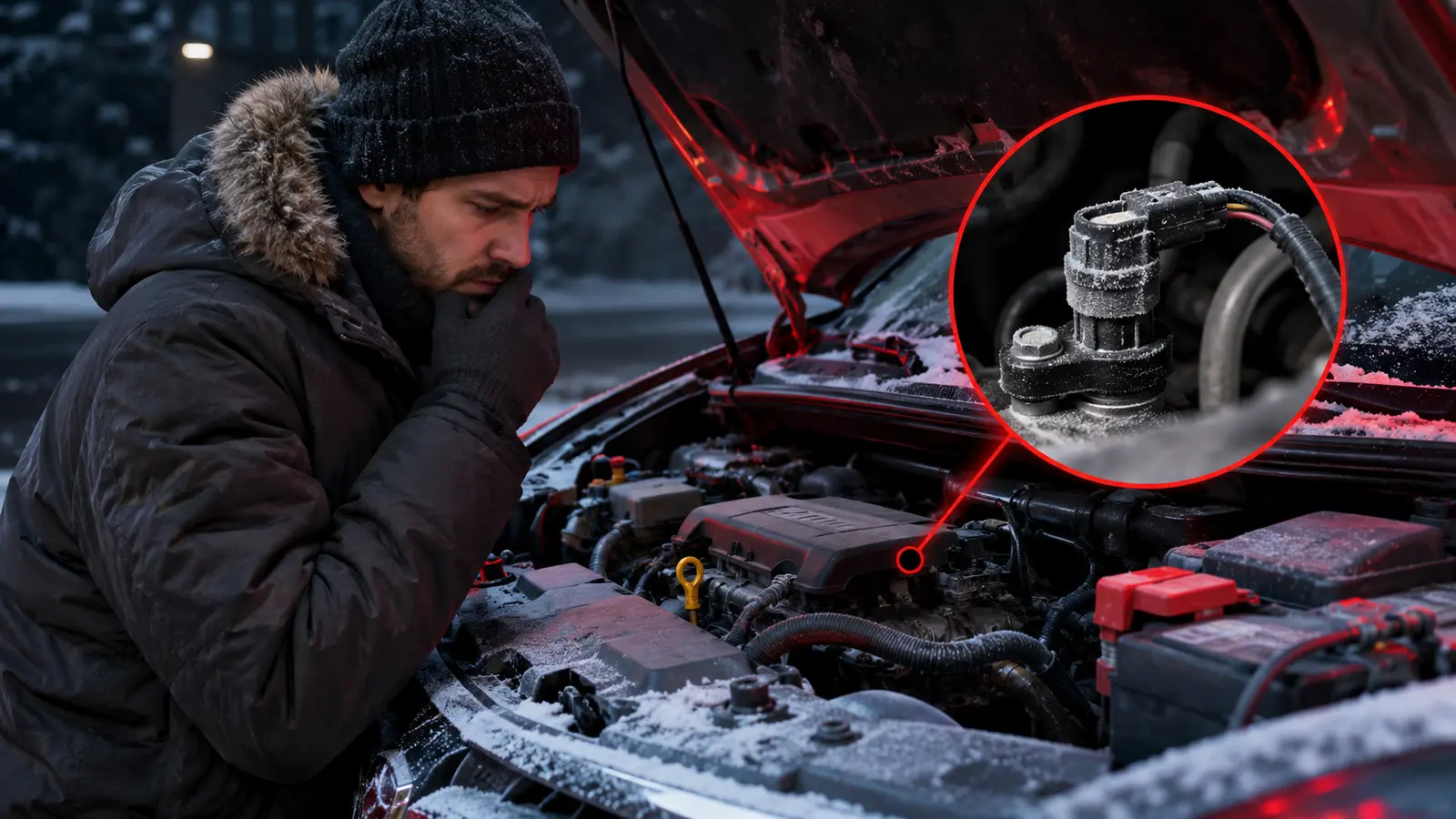 Seasonal Driving
Car Won't Start in the Cold but the Battery Is Good
Cranking but not catching in the cold usually means fuel, spark or a sensor problem — or a battery that only looks fine at rest.
Updated November 22, 2026Read