
Block Heaters Explained: When to Plug In Your Car
Quick answer
A block heater warms the engine coolant or oil so the engine starts more easily and warms up faster in deep cold. A couple of hours before you leave is usually enough. Use a timer.
- Topic
- Seasonal Driving
- Sections
- 9
- Reading time
- 2 min
- Applies to
- Canada
A block heater is an electric element that warms the engine's coolant or oil. In deep cold it makes the engine easier to start, reduces wear on start-up and gets heat to the cabin sooner. Many drivers plug in when it's colder than about −15 °C to −20 °C, and a couple of hours before leaving is usually enough.
Does every car have one?
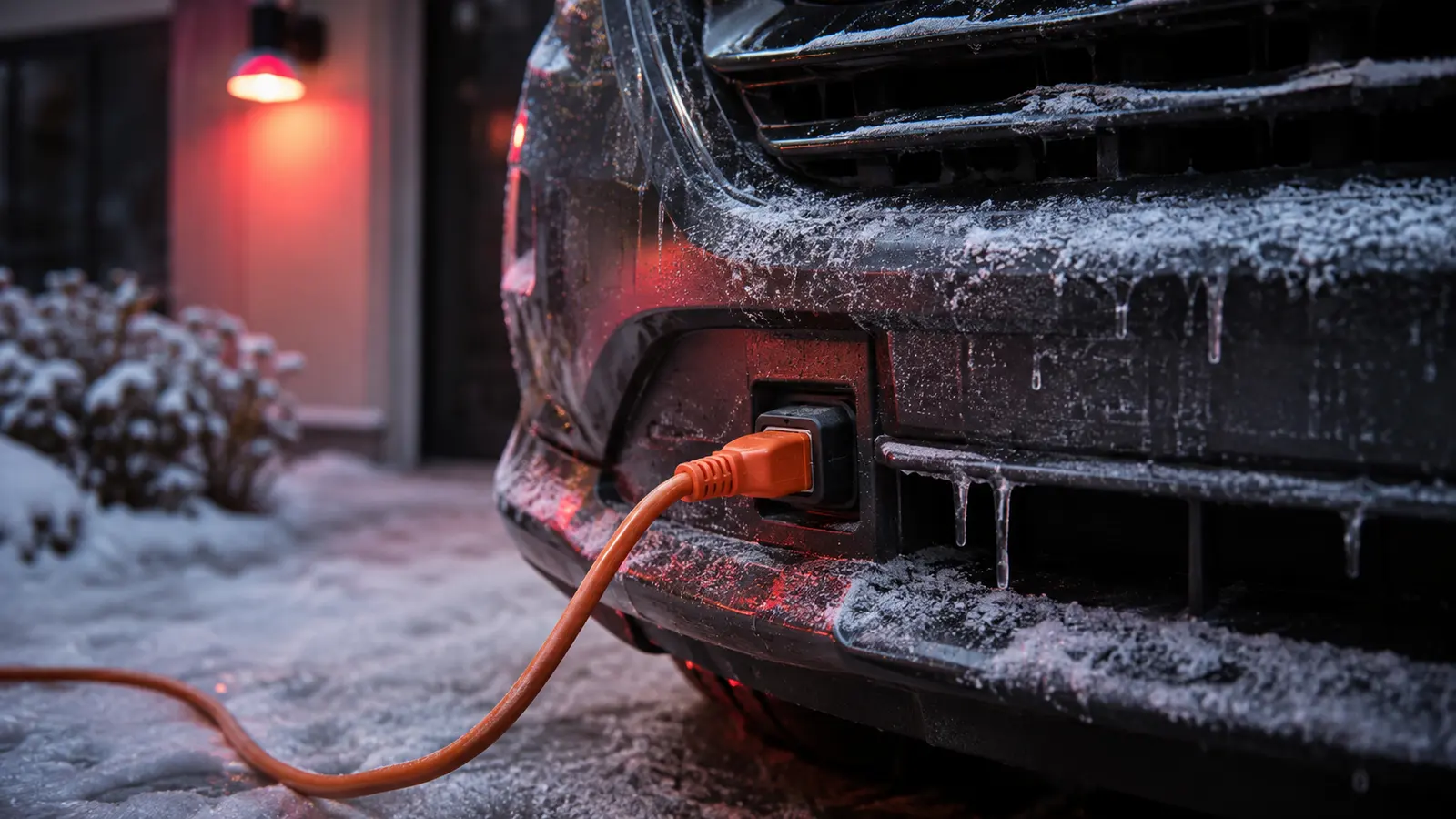
No. Many cars sold in Canada and cold US states come with one, often with the plug tucked behind the grille. Others can have one fitted.
Plug-in guide at a glance
| Temperature | Typical advice (check handbook) |
|---|---|
| Above −10 °C | Usually not needed |
| −15 °C to −20 °C | Plug in for easier starts |
| Below −20 °C | Plug in; consider a battery warmer too |
| All night | Unnecessary: use a timer |
Check these in order
- Find the plug, usually at the grille or bumper.
- Use an outdoor-rated, heavy-gauge extension cord.
- Set a timer for about two to three hours before departure.
- Check it works before the first deep freeze.
How a block heater helps
At very low temperatures, oil thickens and the battery's cranking power drops. A warm engine needs less power to turn over and burns less fuel during warm-up.
Types of heaters
- Freeze-plug (core plug) heaters sit in the engine block coolant.
- In-line heaters warm coolant in a hose.
- Oil-pan heaters warm the oil.
- Battery warmers wrap the battery.
Safety
- Don't use damaged cords or indoor extension leads.
- Route cords so they won't be driven over or pulled out by the bonnet.
- Unplug before driving away.
What affects the cost
Many cars have one already. Fitting one costs more on engines where access to the block is difficult.
Regional notes
Common across Canada, Alaska and the northern US. UK and Australian drivers rarely need them.
Related problems
Frequently asked questions
At what temperature should I plug in my car?
Many Canadian drivers plug in when it's colder than about −15 °C to −20 °C. Check your handbook, as some engines benefit at milder temperatures.
Should I leave it plugged in all night?
It isn't necessary and wastes electricity. A timer set to switch on a couple of hours before you leave is usually enough.
How do I know my block heater works?
Plug it in and listen near the engine for a faint sizzle or tick after a minute or so, or feel for warmth after an hour. A garage can test the element.
Tools that can help
Need a mechanic?
Find rated garages near you by city, ZIP code or postcode, with directions.
About this guide
Written by Editorial Team using manufacturer documentation, government road-safety guidance and motoring-organisation advice. It explains likely causes and safe checks. It is not a diagnosis. How we write and check guides.
More seasonal driving guides
 Seasonal Driving
Winter Driving: The Complete Guide to Preparing Your Car and Driving Safely
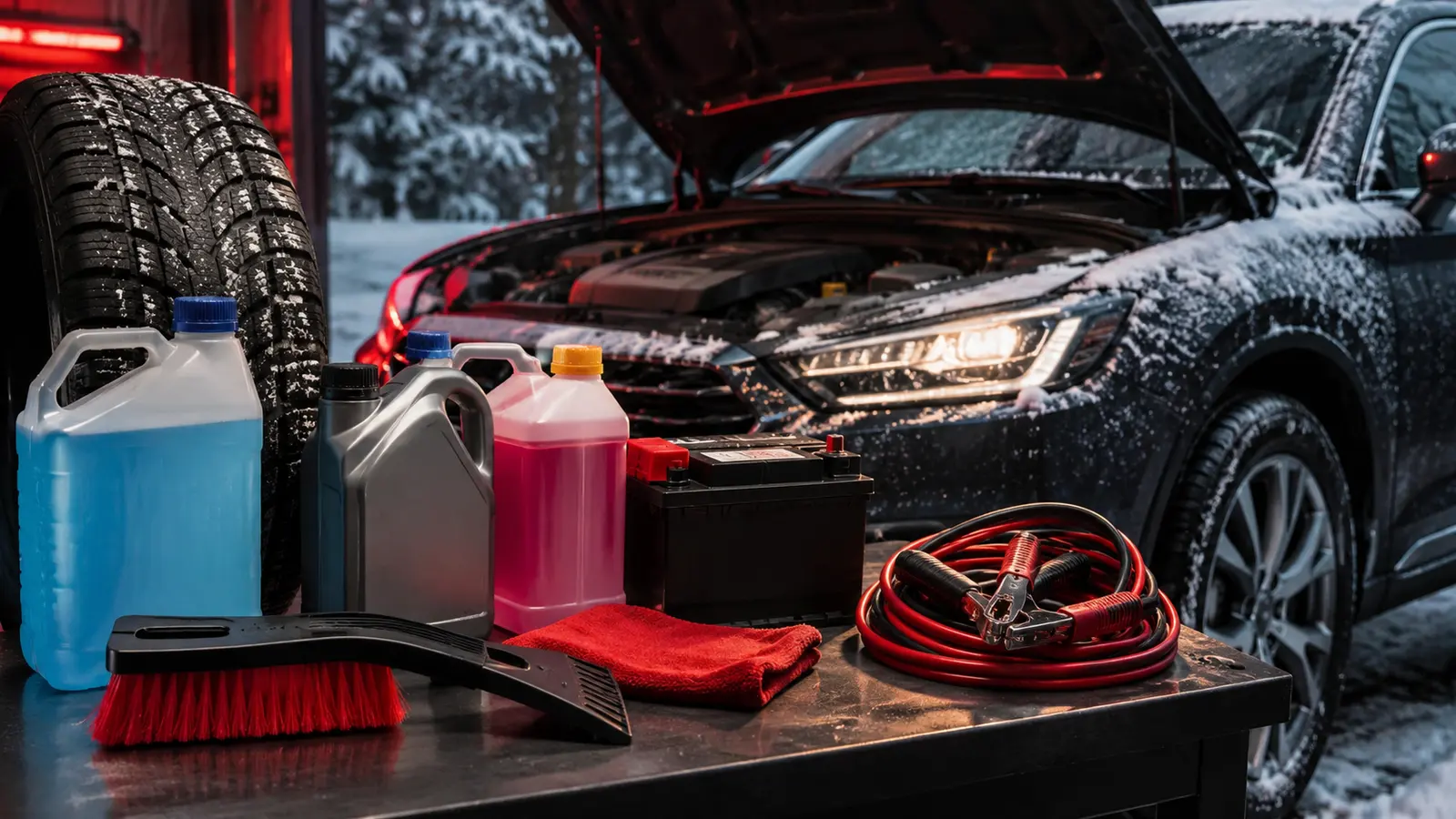
Winter tests batteries, tyres and drivers. This guide brings together how to prepare your car, what to carry, how to drive on snow and ice, what to do in a skid or if you're stranded, and how cold affects EVs and fuel economy, using NHTSA and UK Highway Code advice.
Updated November 22, 2026Read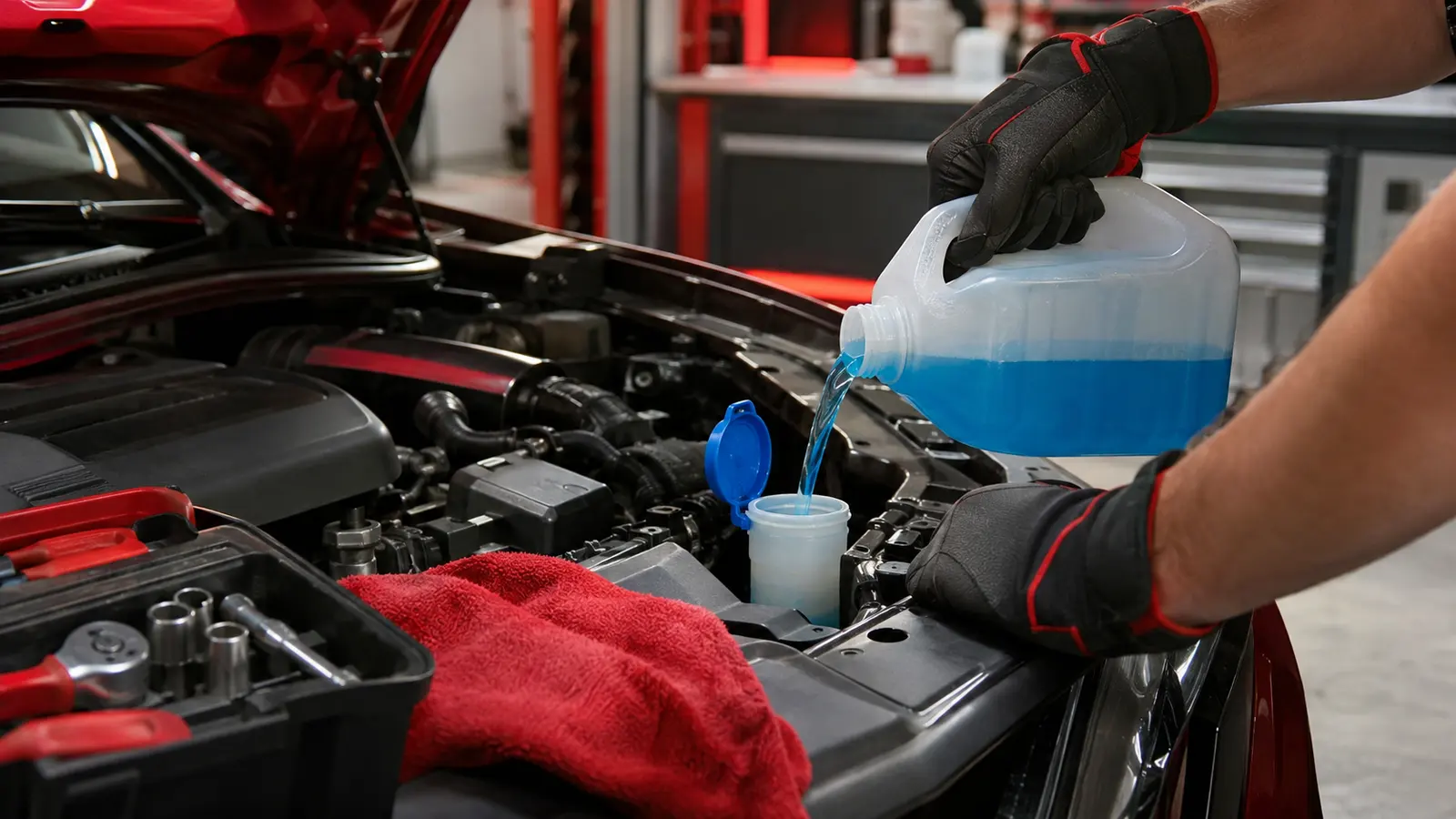 Seasonal Driving
Windscreen Washer Fluid Frozen: What to Do
Washer fluid freezes when it's too weak for the temperature, often because it was topped up with plain water. Thaw it by parking somewhere warmer or driving with the engine warm, then switch to a winter screenwash rated for your climate.
Updated November 22, 2026Read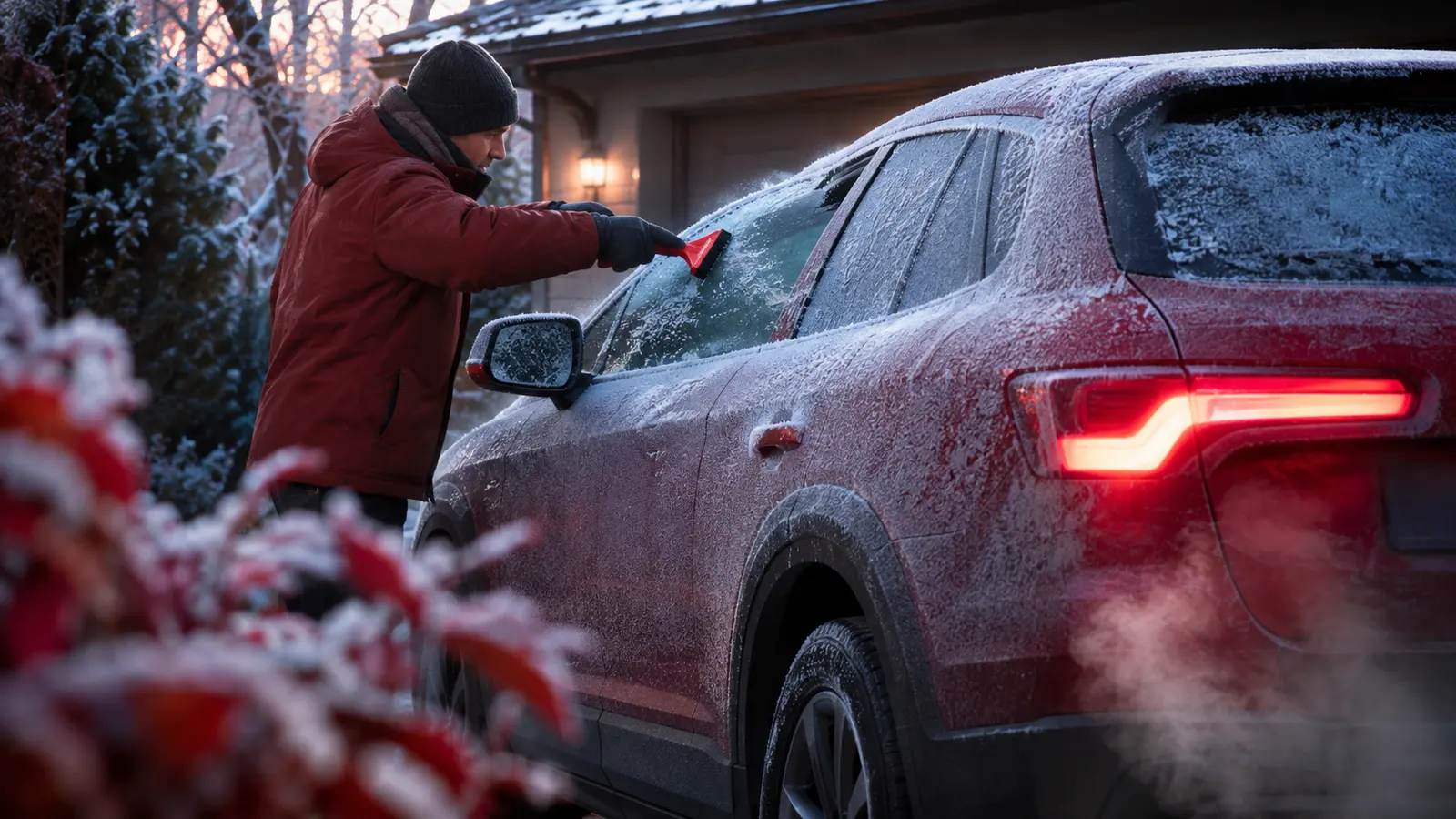 Seasonal Driving
Car Door Frozen Shut: How to Open It Safely
Push firmly against the frozen door to break the ice seal, then pull. Try other doors and run the engine and heater. Use de-icer on locks and seals; never pour boiling water on the glass. Prevent it by treating the rubber seals before frosts.
Updated November 22, 2026Read