
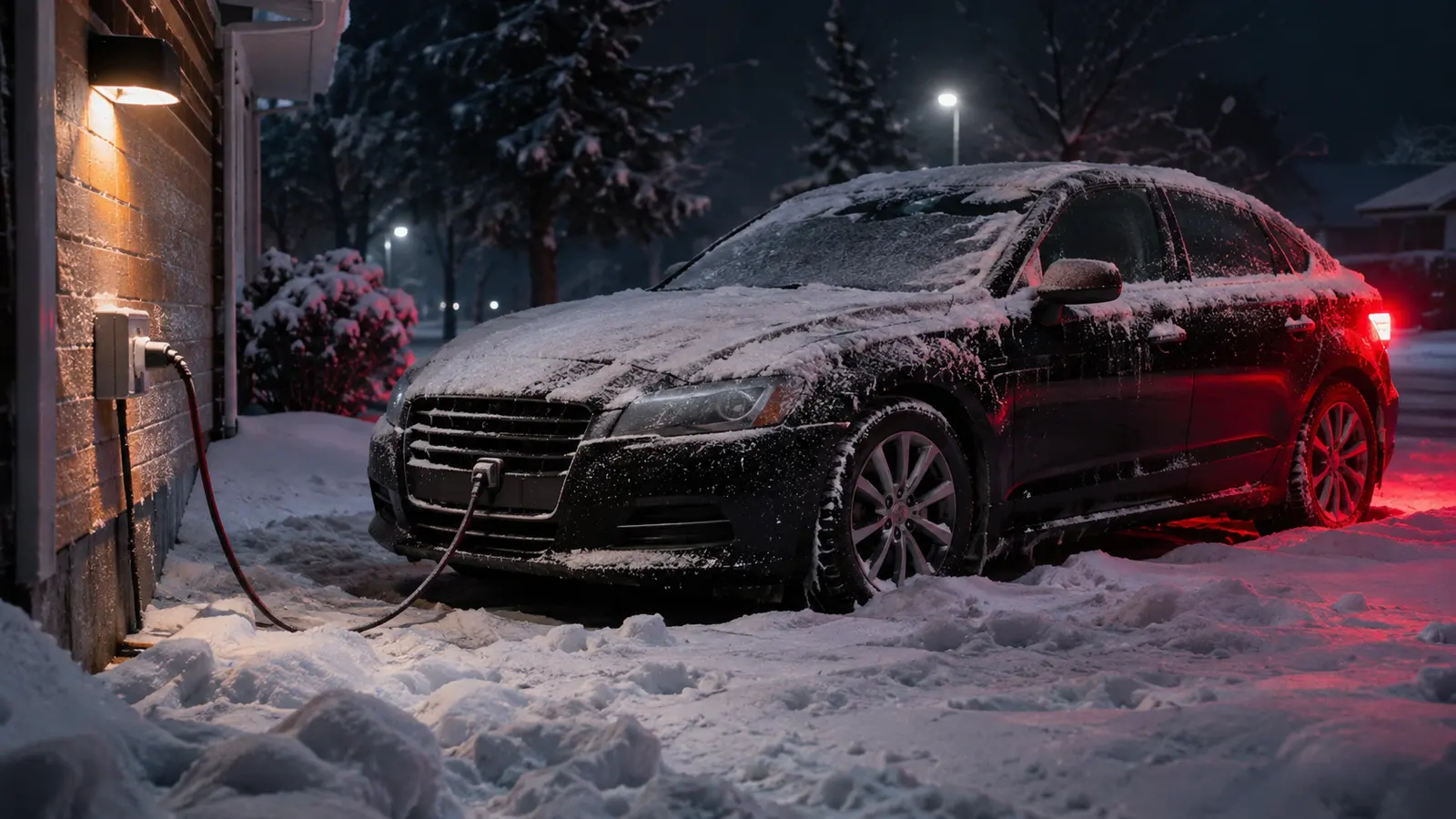
Winter Car Emergency Kit: What to Keep in Your Car
Quick answer
A winter car kit should keep you able to see, get moving, call for help and stay warm while you wait. Both NHTSA and the UK Highway Code publish lists: scraper and de-icer, shovel, traction aid, jump leads, torch, first aid kit, blankets, water and food.
- Topic
- Seasonal Driving
- Sections
- 6
- Reading time
- 3 min
- Applies to
- All regions
Winter storm warnings are trending, and winter breakdowns are more serious than summer ones: you can get cold quickly, help may take longer, and visibility is poor. A small winter car emergency kit makes a big difference. This checklist combines the advice from NHTSA in the US and the UK Highway Code, with notes on why each item matters.
The core kit
| Item | Why it matters |
|---|---|
| Ice scraper and de-icer | You must be able to see before you drive |
| Snow brush or broom | Clear the roof, lights and plates too |
| Compact shovel | Dig out wheels and clear the exhaust |
| Traction aid (sand, cat litter or traction mats) | Grip if you're stuck |
| Jump leads (or a jump pack) | Cold weather is hard on batteries |
| Torch with spare batteries | Short days, long nights |
| Warning triangle or flares | Make the car visible |
| First aid kit | Both NHTSA and the Highway Code list it |
| Blankets and warm clothing, hat, gloves, boots | Stay warm while waiting |
| Bottled water and non-perishable food | Delays can last hours |
| Phone and car charger or power bank | Call for help |
NHTSA's list covers snow removal (shovel, broom, ice scraper), traction material, jumper cables, a torch, warning devices, a first aid kit, blankets, water, food, and a phone and charger. The Highway Code (rule 228) lists de-icer and an ice scraper, a torch, warm clothing and boots, a first aid kit, jump leads, a shovel, a warm drink and emergency food.
Useful extras
- Tyre inflator and gauge. Cold drops tyre pressure; see how to choose a tire pressure gauge.
- Spare screen wash rated for low temperatures. You can use a lot in one snowy trip.
- Hi-vis vest for working at the roadside.
- Tow strap, if you know how to use it safely.
- Paper map, in case you lose phone signal.
If you get stuck
NHTSA's emergency advice for a stalled or stranded car in winter weather:
- Stay with your vehicle. It's shelter and easier for rescuers to find. Don't overexert yourself digging.
- Make your car visible. Tie something bright to the aerial or window, and keep the interior light on.
- Prevent carbon monoxide poisoning. Clear snow from the exhaust pipe and run the engine only occasionally, just long enough to stay warm. Don't run it for long periods with the windows up.
Carbon monoxide is odourless and colourless; the CDC lists headache, dizziness, weakness, nausea and confusion as common symptoms. If anyone feels unwell, open a window and switch off the engine.
Prepare the car, not just the kit
A kit helps when things go wrong. Preparation stops them going wrong:
- Battery and charging system: NHTSA suggests having a mechanic check them before winter. See car battery in cold weather.
- Tyres: tread and pressure. NHTSA recommends at least 2/32 inch of tread and the penny test.
- Wipers and lights: replace worn blades and fill up with winter screen wash.
- Coolant: check the level and strength; see how to check coolant strength.
- Fuel: NHTSA advises keeping the tank close to full, and EV drivers keeping the battery charged.
Our full winter car maintenance checklist goes through each one.
Before every winter trip
Check the forecast and traffic, tell someone your route for longer journeys, and ask whether the trip is essential. The Highway Code advises against driving in icy or snowy conditions unless it is. If you do go, read how to drive on black ice first.
The bottom line
Pack once, check each winter, and you'll be ready to see, get moving, call for help and stay warm. It costs little and takes up a corner of the boot, and you'll be glad of it the one night you need it.
Frequently asked questions
Where should I keep the kit?
In the boot or trunk, secured so it can't slide around. Keep the scraper and a torch within reach of the driver.
How often should I check it?
At the start of winter and after you've used anything. Replace water and food, and check torch batteries.
What if I get stuck in snow?
Stay with the car, make it visible, clear the exhaust, and run the engine only occasionally to stay warm (NHTSA advice).
Tools that can help
Need a mechanic?
Find rated garages near you by city, ZIP code or postcode, with directions.
About this guide
Written by Editorial Team using manufacturer documentation, government road-safety guidance and motoring-organisation advice. It explains likely causes and safe checks. It is not a diagnosis. How we write and check guides.
More from the blog
 Seasonal Driving
Should You Warm Up Your Car in Winter? What the Evidence Says
For most modern cars the answer is no: FuelEconomy.gov says most manufacturers recommend driving off gently after about 30 seconds, because the engine warms faster while driving. Clear all the glass first, though.
Updated November 22, 2026ReadSeasonal DrivingHow to Drive on Black Ice (and How to Spot It)
Black ice is a thin, clear glaze you can barely see. Slow down early, leave far more space (the Highway Code says stopping distances can be ten times longer on ice), and make every input gentle. If you skid, look and steer where you want to go.
Updated November 22, 2026Read Seasonal Driving
EV Range in Cold Weather: Why It Drops and How to Get More Miles
Electric cars lose noticeable range in the cold, mostly because heating the cabin takes energy. FuelEconomy.gov reports range drops of about 41% in its cold tests. Preheating while plugged in and using seat heaters claw a lot of it back.
Updated November 22, 2026Read