
Option A
Petrol car
Option B
Electric car (EV)
Petrol vs Electric Car Maintenance
Short answer
A petrol car's maintenance centres on the engine: oil and filters, spark plugs, belts, coolant and the exhaust. An electric car removes most of that, leaving tyres, brakes, battery and motor coolant, cabin filters and suspension. EV owners still need regular checks.
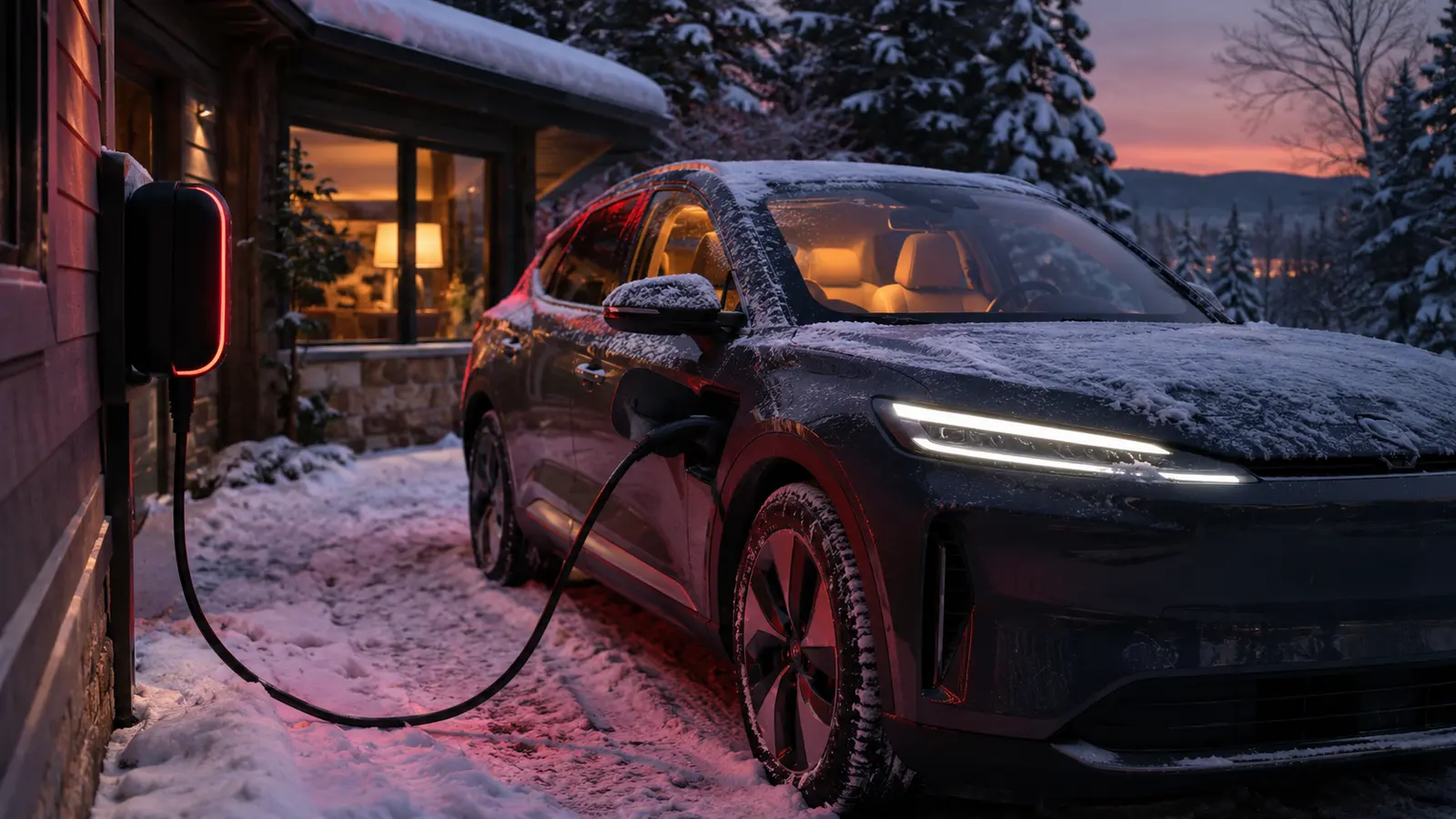
Side-by-side comparison
| Feature | Petrol car | Electric car (EV) |
|---|---|---|
| Oil and filter | Regularly | None |
| Spark plugs and timing belt | At intervals | None |
| Exhaust and catalytic converter | Yes | None |
| Brakes | Normal wear | Low wear, rust risk |
| Coolant | Engine coolant | Battery and motor coolant |
| Tyres | Normal | Often faster wear |
Why choose Petrol car
- Quick refuelling
- Any garage can work on it
- Lower purchase price in many markets
Why choose Electric car (EV)
- Far fewer service items
- Smooth, quiet drive
- Low brake wear
Which should you choose?
Choose Petrol car if…
You drive long distances without easy charging access.
Choose Electric car (EV) if…
You can charge regularly and want lower routine maintenance.
Our verdict
The bottom line
EVs are simpler to maintain day to day. Check tyres more often and keep the 12 V battery healthy.
Frequently asked questions
Do EVs need brake fluid changes?
Yes, brake fluid still absorbs moisture and is changed on schedule.
Do EVs have a 12 V battery?
Yes. It powers the electronics and can go flat like any car's.
Related guides
More comparisons
General information, not a diagnosis. If a warning light is red, the car drives abnormally or you're unsure, stop safely and have a qualified technician inspect the vehicle.