
Problem hub · 8 guides
Car Smells: What Each One Means
Rotten eggs usually points to the catalytic converter. Fuel means a leak or EVAP fault. Sweet syrup means coolant. Burning oil means oil on the exhaust. Burning rubber means a belt or brake. Vinegar or musty means AC mould.
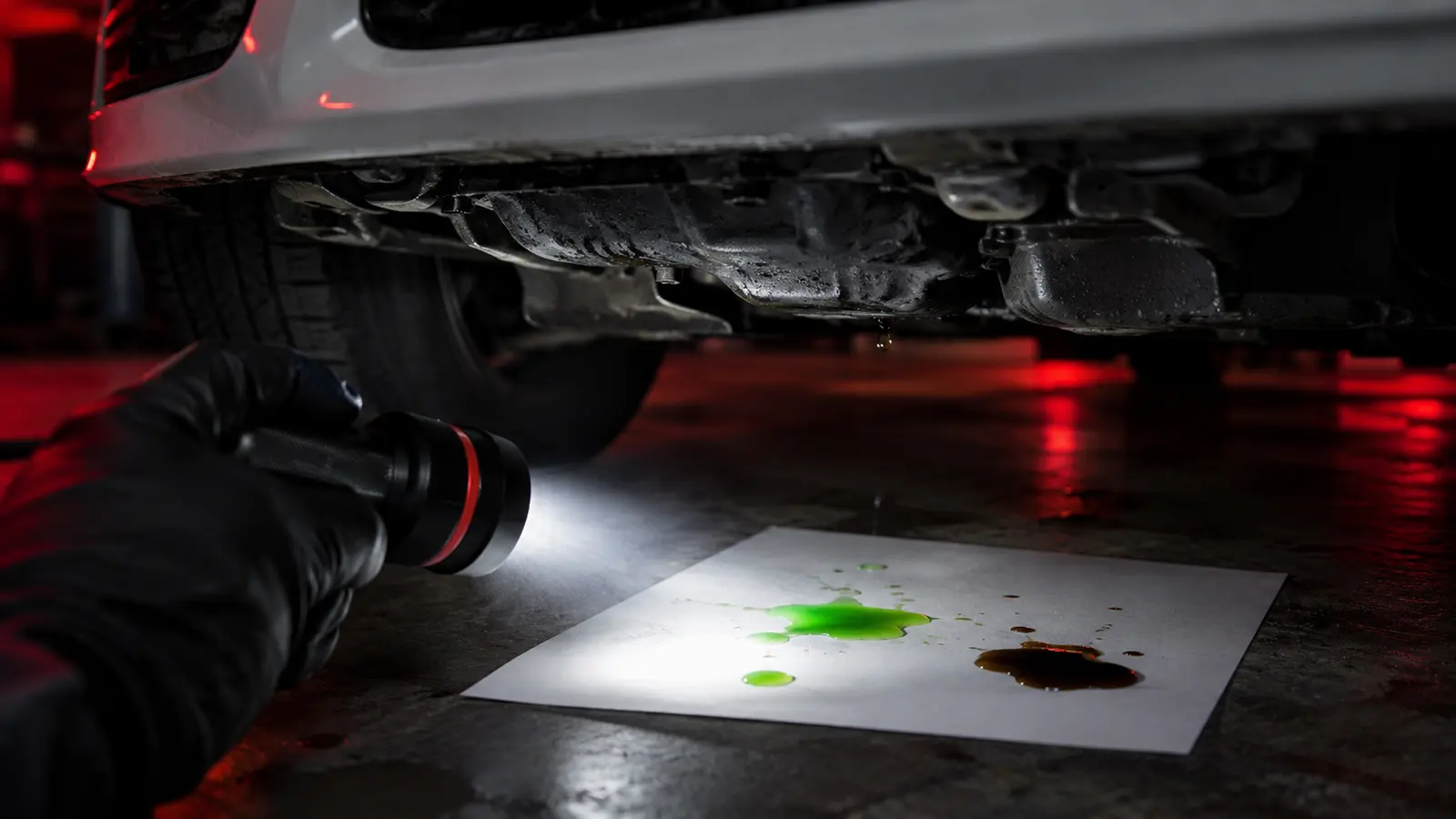
Your nose is a surprisingly good diagnostic tool. Some smells are harmless, but fuel, electrical burning and coolant inside the cabin need prompt attention.
Match your symptom
Rotten eggs / sulphurCatalytic converter, rich runningGuide Petrol / gasFuel or EVAP leakGuide Sweet, syrupyCoolant leakGuide Burning oilOil leak onto exhaustGuide Burning rubberBelt, dragging brake, clutchGuide Vinegar / musty from ventsAC evaporator mouldGuide Burning from heaterDust, debris or blowerGuide
Stop driving and get help if…
- Strong fuel smell inside the car
- Acrid electrical burning or smoke
- Sweet smell with fogged windows and rising temperature
Every guide in this topic
- 01GuideCar Fuel System: The Complete Guide to Pumps, Injectors, Filters and Fuel Problems
- 02GuideWhy Does My Car Smell Like Rotten Eggs?
- 03GuideWhy Does My Car Smell Like Gas (Petrol)?
- 04GuideCar Smells Sweet Like Syrup? It's Probably Coolant
- 05GuideCar Smells Like Burning Oil: Causes and Fixes
- 06GuideWhy Does My Car Smell Like Burning Rubber?
- 07GuideCar AC Smells Like Vinegar: Causes and How to Get Rid of It
- 08GuideCar Heater Smells Like Burning: Normal or Not?
Checks you can do yourself
Parts involved
Frequently asked questions
Is a burning smell from a new car normal?
Coatings on the exhaust can burn off in the first drives.
Why does my car smell after rain?
Damp carpets or a blocked drain can cause musty smells.
Can smells be dangerous?
Fuel and electrical smells can indicate fire risk.
General information, not a diagnosis. If a warning light is red, the car drives abnormally or you're unsure, stop safely and have a qualified technician inspect the vehicle.