
Step-by-step DIY
How to Replace a Car Battery
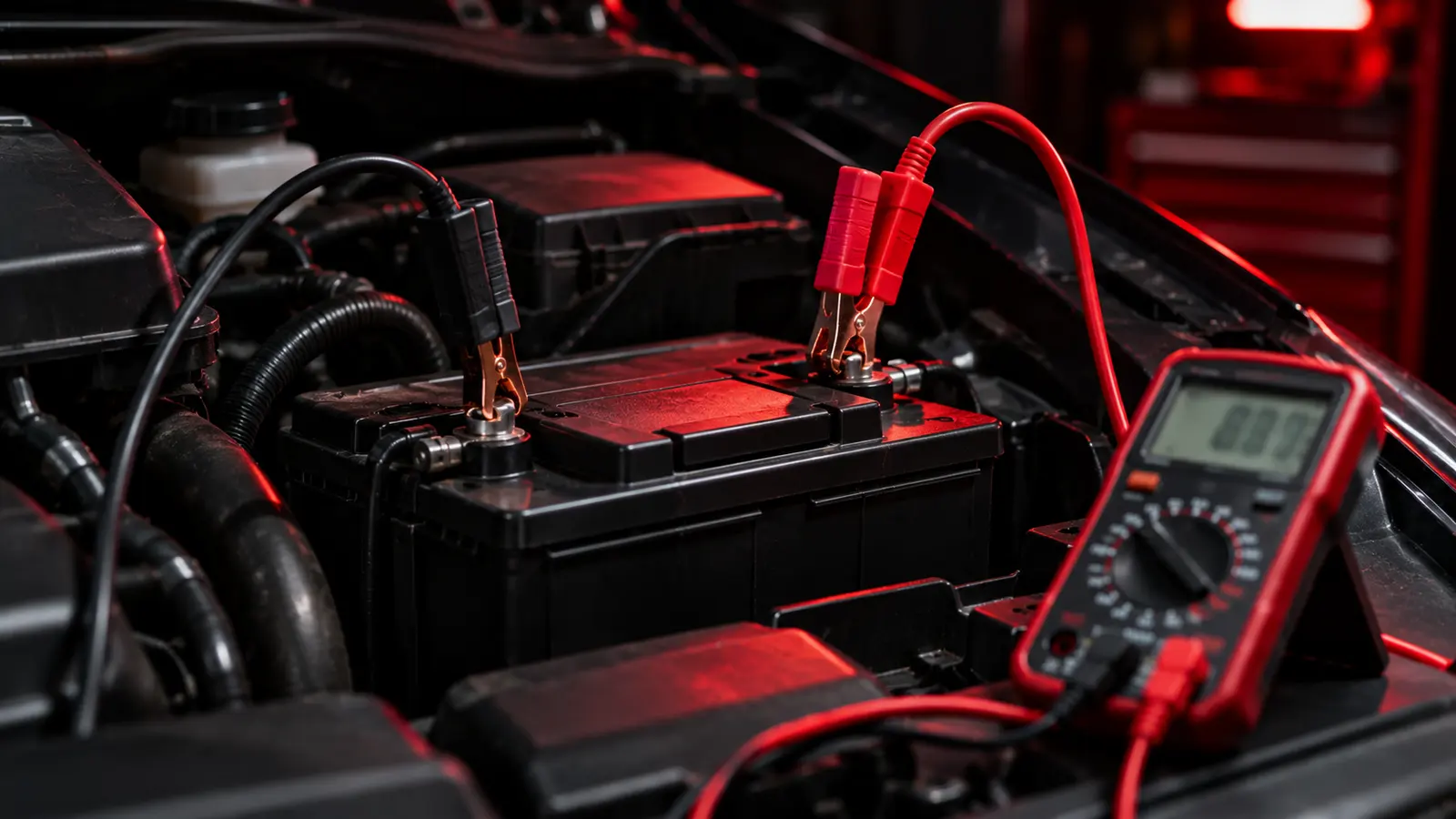
With the engine off and key out, disconnect the negative (−) terminal first, then the positive (+), remove the hold-down clamp and lift the battery out. Fit the new battery, secure the clamp, then reconnect positive first and negative last. Check your handbook first: some cars need the new battery registered or settings relearned.
Step by step
- 1
Check the handbook
Confirm the battery type (flooded, EFB or AGM), size and whether it needs registering to the car.
- 2
Engine off, key out
Switch off all electrics and keep keyless fobs away from the car.
- 3
Negative first
Loosen and remove the negative (−) clamp and keep it away from the post.
- 4
Then positive
Remove the positive (+) clamp, then the hold-down bracket.
- 5
Lift out carefully
Batteries are heavy and contain acid; keep it upright.
- 6
Clean the terminals
Brush off corrosion and check clamps and cables.
- 7
Fit the new battery
Same type and size; secure the hold-down so it can't move.
- 8
Positive first, negative last
Reconnect and tighten both clamps; refit any covers.
- 9
Start and check
Check the engine starts, warning lights clear and the charging voltage is about 13.5–14.5 V.
Common mistakes to avoid
- Removing positive first, risking a short to the body
- Fitting a flooded battery where the car needs AGM or EFB
- Leaving the hold-down loose
- Skipping battery registration on cars that need it
Not comfortable doing it yourself?
A local garage can do this quickly. Compare nearby options.
Frequently asked questions
Do I need to reset anything afterwards?
Possibly: radio codes, window auto-up, clock and idle relearn. Some cars with start-stop need the new battery registered with a scan tool.
How do I know the battery is the problem?
Test it first; slow cranking can also be corroded terminals or a charging fault.
Related guides
General information, not a diagnosis. If a warning light is red, the car drives abnormally or you're unsure, stop safely and have a qualified technician inspect the vehicle.