
Roadworthy Certificates in Australia: What You Need to Know
Quick answer
Rules depend on your state. Victoria calls it a roadworthy certificate, Queensland a safety certificate, and NSW uses safety checks at registration. Most are needed when selling or re-registering.
- Topic
- Inspections (MOT, WOF, Roadworthy)
- Sections
- 6
- Reading time
- 1 min
- Applies to
- Australia
Whether you need a roadworthy certificate in Australia depends on your state. In Victoria it's called a roadworthy certificate (RWC), in Queensland a safety certificate, and NSW uses safety checks at registration for older vehicles. They're most often needed when selling, transferring or re-registering a vehicle.
When you might need one
| Situation | Typical requirement (check your state) |
|---|---|
| Selling a registered vehicle | Often required (e.g. VIC, QLD) |
| Re-registering an unregistered vehicle | Usually required |
| Registration renewal, older vehicle | NSW safety check |
| Clearing a defect notice | Inspection required |
What's checked
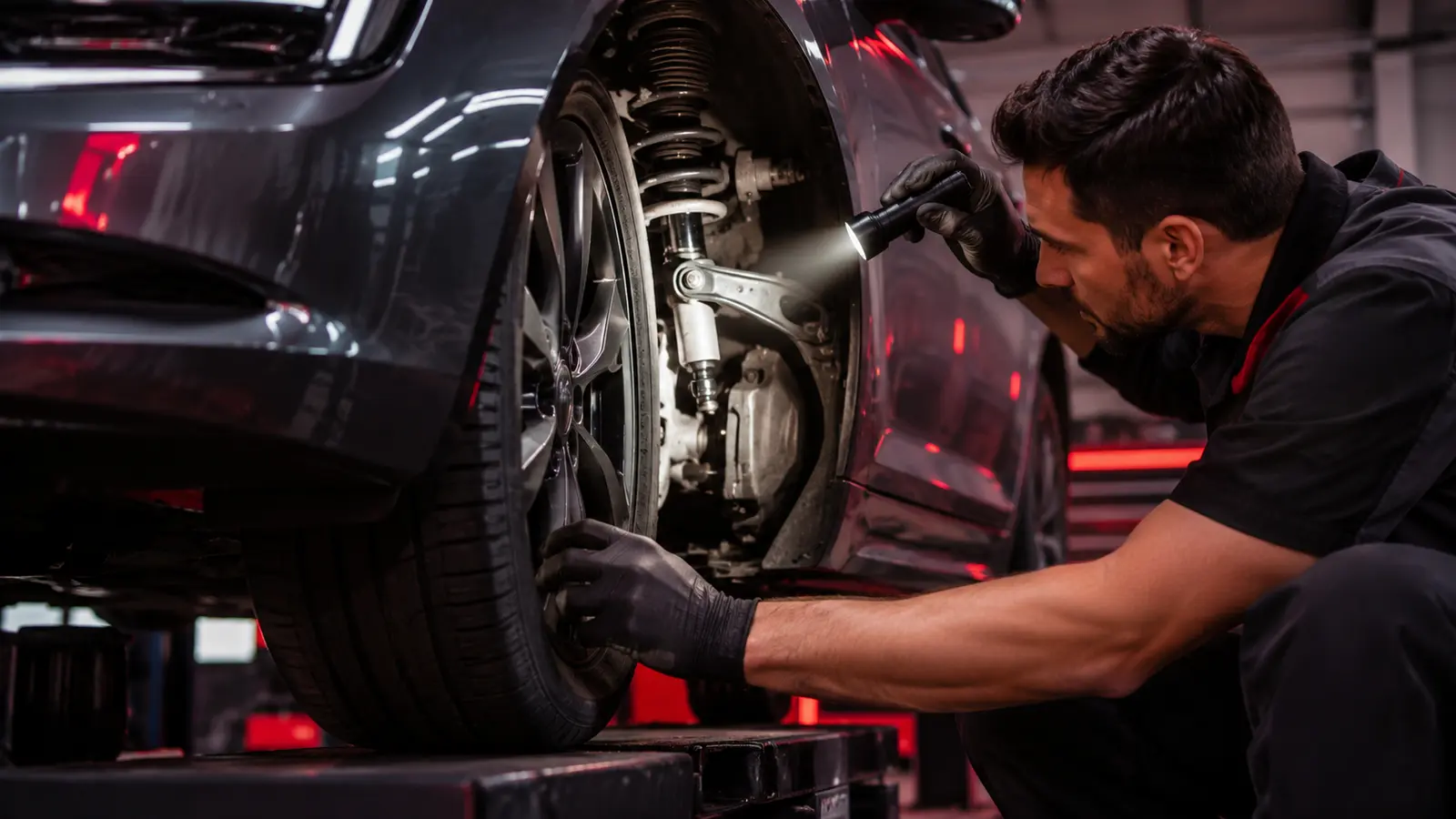
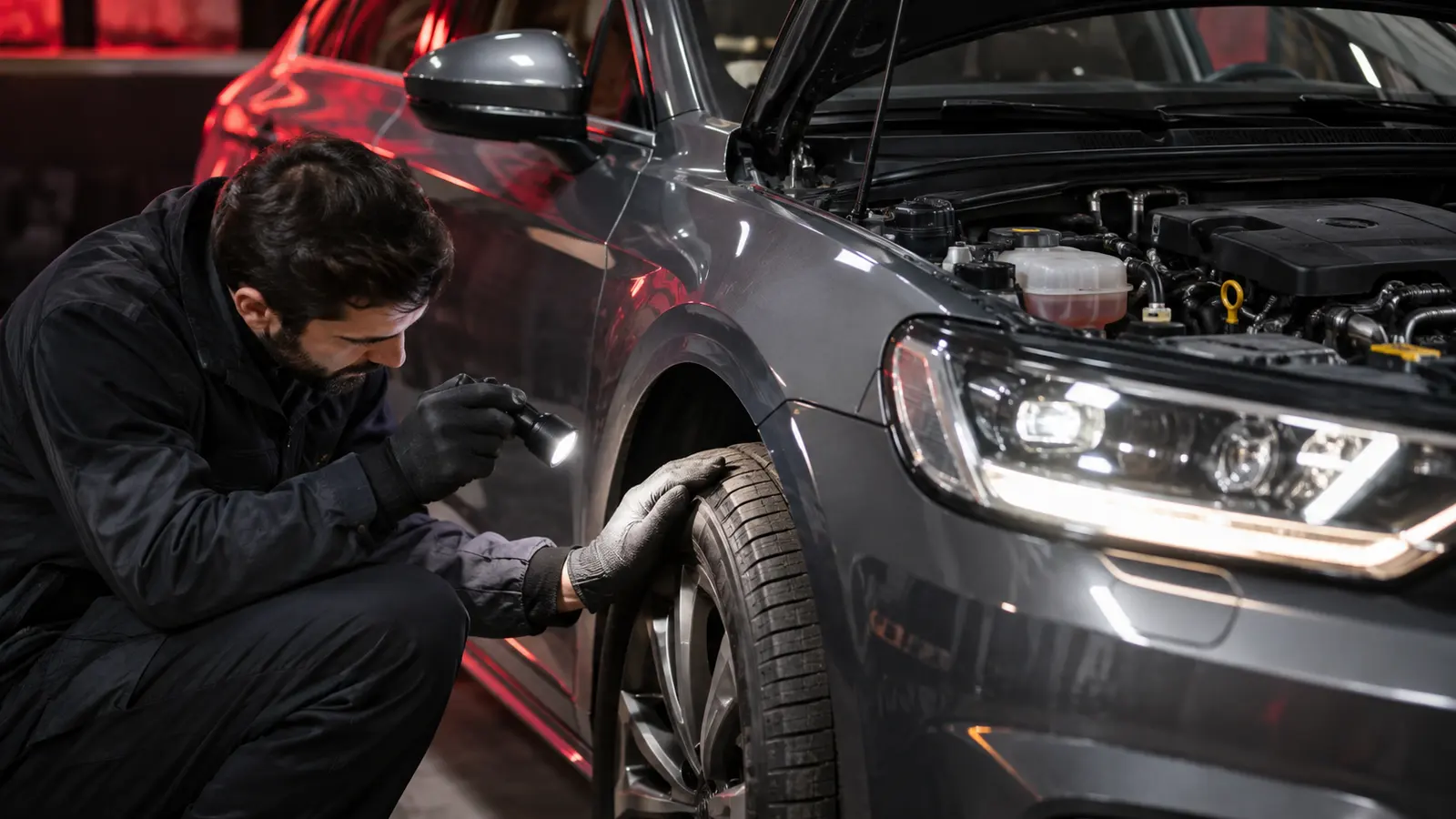
Safety items such as tyres, brakes, steering, suspension, lights, windscreen and wipers, seatbelts, body rust and exhaust.
Your pre-inspection checklist
- All lights and indicators work
- Tyres have at least 1.5 mm tread and no damage
- No windscreen cracks in the driver's view
- Wipers and washers work
- Seatbelts work
- Brakes feel normal
- No warning lights
Where to get one
Licensed vehicle testers or authorised inspection stations in your state.
Note
This guide is general. Requirements differ between states and change over time. Check your state road authority before you sell or register.
Related guides
Frequently asked questions
Is a roadworthy the same as a service?
No. It checks safety items only. It doesn't confirm mechanical condition or reliability.
How long is a roadworthy valid?
Validity depends on the state and situation. Check your state's road authority.
What commonly fails?
Tyres, lights, windscreen damage, brakes, suspension and rust are common failure areas.
Tools that can help
Need a mechanic?
Find rated garages near you by city, ZIP code or postcode, with directions.
About this guide
Written by Editorial Team using manufacturer documentation, government road-safety guidance and motoring-organisation advice. It explains likely causes and safe checks. It is not a diagnosis. How we write and check guides.
More inspections (mot, wof, roadworthy) guides
 Inspections (MOT, WOF, Roadworthy)
How to Buy a Used Car: The Complete Guide to Checks, Paperwork and Red Flags
Buying a used car safely is about evidence: the car's history, its condition and the paperwork. This guide walks through research, recall and history checks, a structured inspection and test drive, mileage-fraud warning signs, and the questions to ask before you pay.
Updated November 22, 2026Read Inspections (MOT, WOF, Roadworthy)
Is It Safe to Drive With a Cracked Windscreen (Windshield)?
Small chips away from the driver's line of sight are usually fine for a short time and often repairable. Cracks in front of the driver, long cracks or damage that blocks the view are unsafe and fail inspections like the UK MOT.
Updated November 22, 2026ReadInspections (MOT, WOF, Roadworthy)Used Car Inspection Checklist: What to Check Before You Buy
Check the paperwork and history first, then the body, tyres, under the bonnet and interior, followed by a proper test drive. For anything expensive, pay for a professional inspection.
Updated November 22, 2026Read