
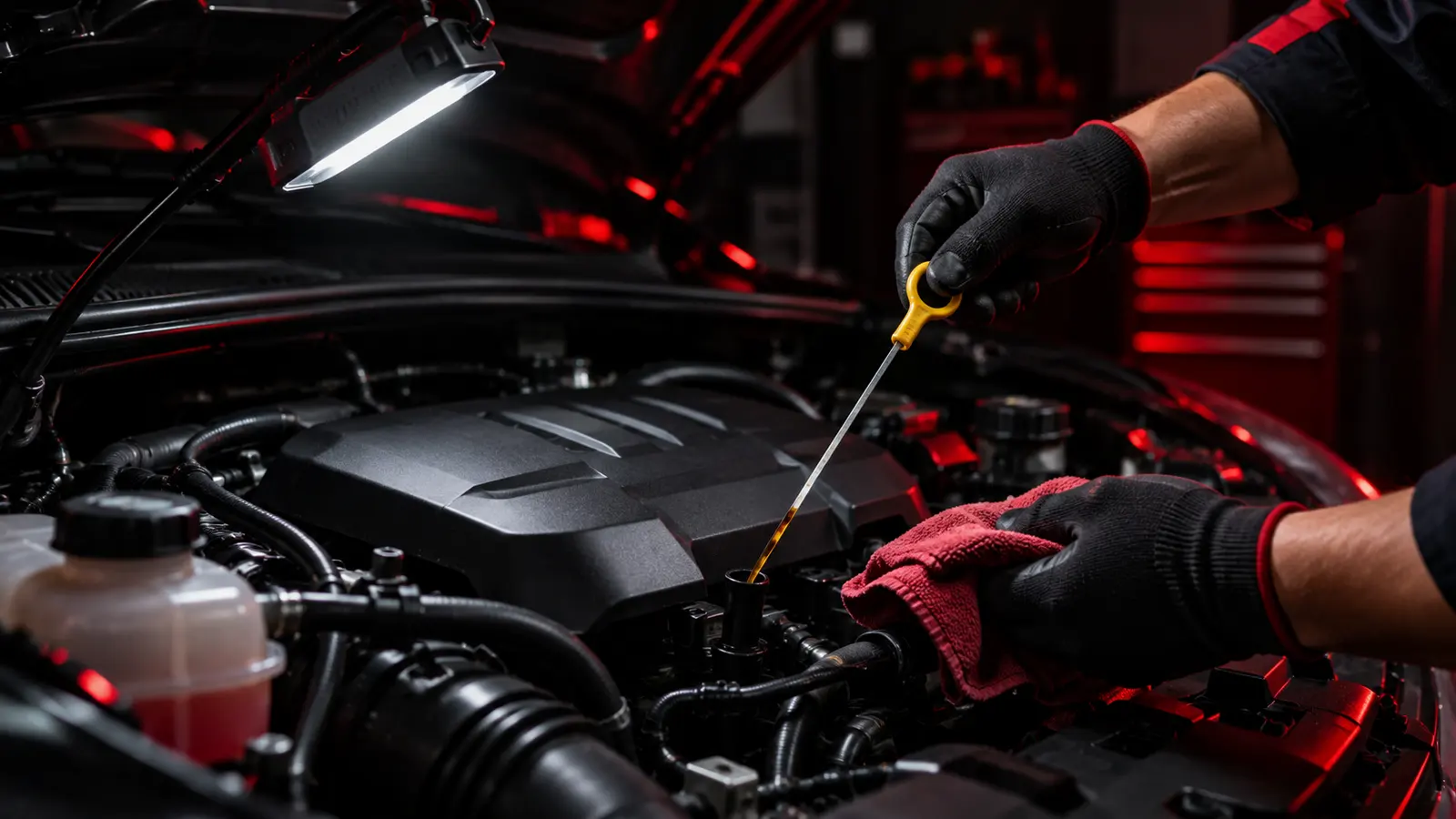
Engine management system
What Does an ECU Do?
The engine control unit (ECU) is the computer that runs the engine. It reads dozens of sensors, from airflow to oxygen to crankshaft position, and decides fuel injection, spark timing and more, many times a second. It also stores fault codes.
- System
- Engine management
- Where it is
- In the engine bay or behind the dashboard, depending on the car
- Typical life
- Usually the life of the car; water and voltage spikes are the main risks
How the engine control unit (ecu) works
- 01
Sensors report air, temperature, position and oxygen
- 02
The ECU compares readings with its maps
- 03
It commands injectors, coils and throttle
- 04
Faults set codes and the check engine light
Signs of a problem
How to make it last
- Fix charging problems quickly: voltage spikes can damage modules
- Keep water leaks away from the ECU location
Frequently asked questions
Can an ECU be reset?
Codes can be cleared with a scan tool, but faults return if the cause remains.
What is ECU remapping?
Changing the software maps to alter performance. It can affect warranty, emissions and insurance.
Guides about this part
General information, not a diagnosis. If a warning light is red, the car drives abnormally or you're unsure, stop safely and have a qualified technician inspect the vehicle.