
Option A
DOT 3
Option B
DOT 4
DOT 3 vs DOT 4 Brake Fluid
Short answer
Both are glycol-based brake fluids. DOT 4 has higher minimum boiling points than DOT 3, so it copes better with heat. Use the type printed on your brake fluid reservoir cap, and never use DOT 5 (silicone) unless specified.
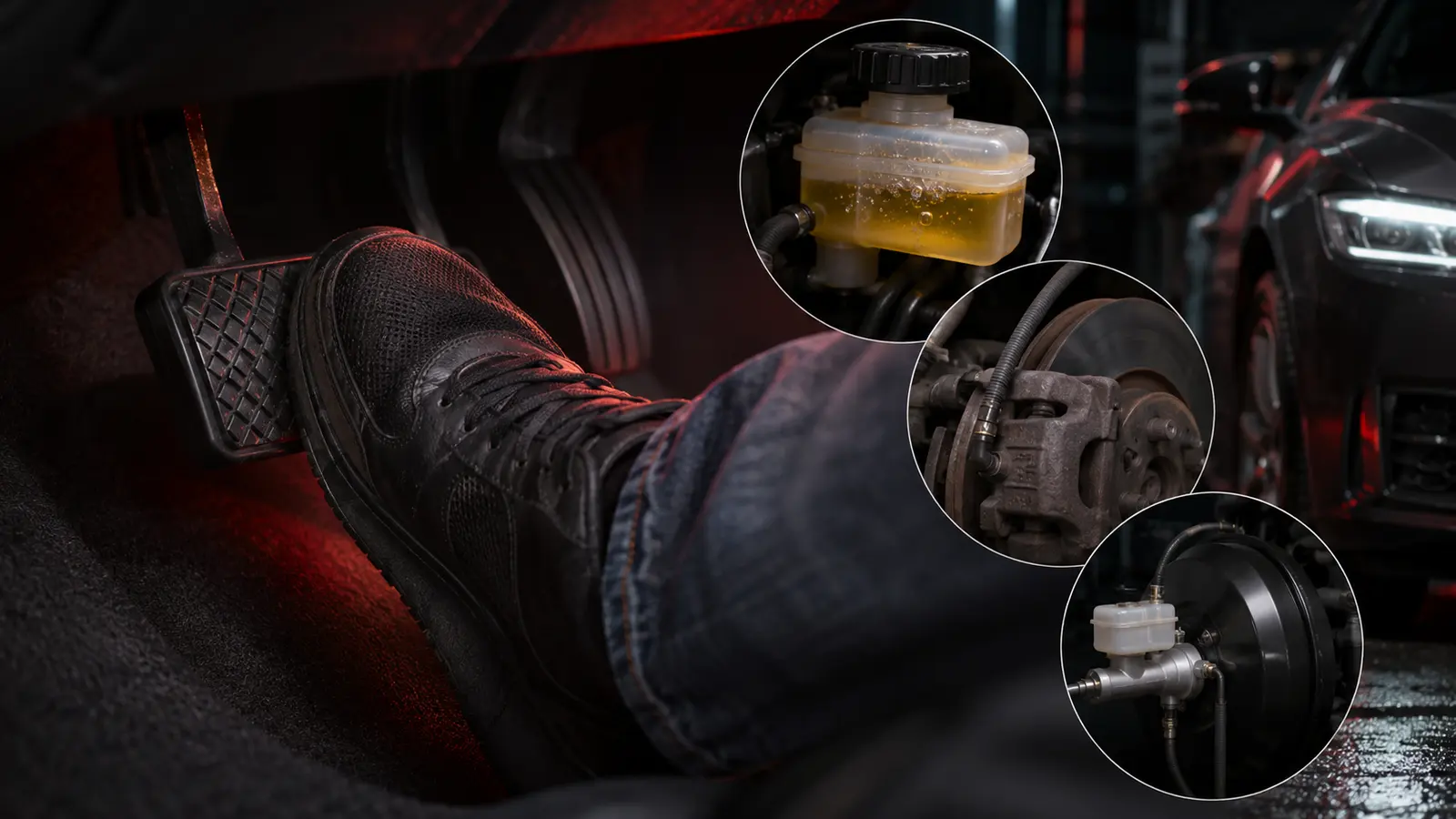
Side-by-side comparison
| Feature | DOT 3 | DOT 4 |
|---|---|---|
| Base | Glycol ether | Glycol ether + borate esters |
| Boiling points | Lower | Higher |
| Absorbs moisture | Yes | Yes |
| Common in | Many older and US cars | Most European and modern cars |
| Mix with DOT 5 (silicone) | Never | Never |
| Change interval | Per handbook | Per handbook (often ~2 years) |
Why choose DOT 3
- Adequate for many everyday cars
- Widely available
- Lower cost
Why choose DOT 4
- Higher boiling point
- Better margin for heavy braking
- Specified for many modern cars
Which should you choose?
Choose DOT 3 if…
Your reservoir cap says DOT 3.
Choose DOT 4 if…
Your cap says DOT 4, or the maker approves DOT 4 as an upgrade.
Our verdict
The bottom line
Follow the cap. Fresh fluid at the right interval matters more than the grade.
Frequently asked questions
Can I top up DOT 3 with DOT 4?
They're generally compatible, but it's best to use one type and follow the maker.
What is DOT 5.1?
A glycol-based fluid with high boiling points, compatible with DOT 3 and 4. Different from silicone DOT 5.
Why does brake fluid go dark?
Age, moisture and contaminants. Dark fluid is a sign it's due a change.
Related guides
More comparisons
General information, not a diagnosis. If a warning light is red, the car drives abnormally or you're unsure, stop safely and have a qualified technician inspect the vehicle.