
Blown Fuse Symptoms and How to Check Car Fuses
Quick answer
When one electrical item suddenly stops working (radio, lights, sockets, wipers), check its fuse first. Replace it with the same rating; if it blows again, there's a fault.
- Topic
- Electrical
- Sections
- 7
- Reading time
- 1 min
- Applies to
- All regions
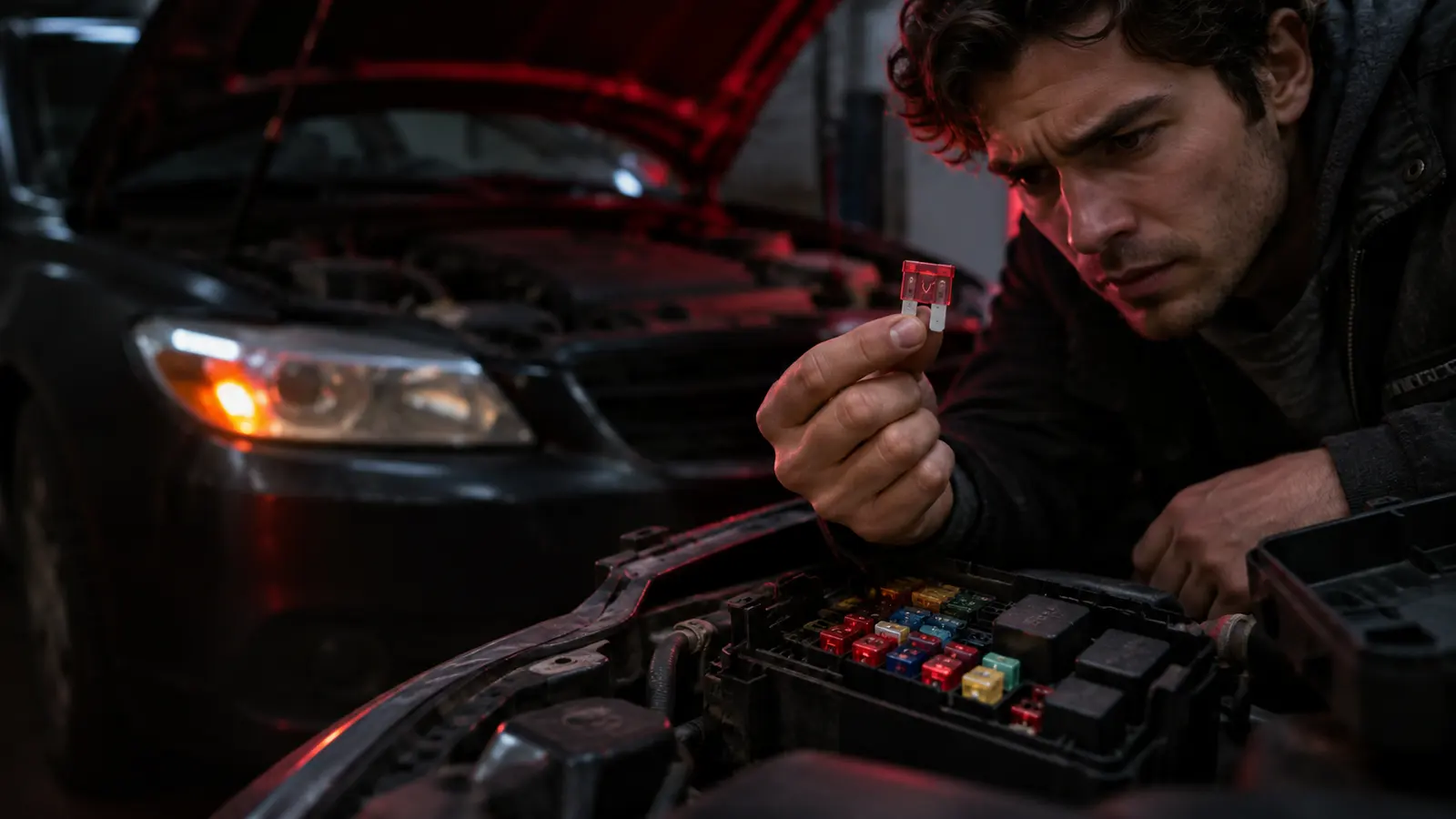
Blown fuse symptoms are simple: one electrical item stops working completely, such as the radio, a power socket, interior lights, wipers or a window. Check that circuit's fuse first. Replace it with the same amp rating. If it blows again, there's a fault to find.
Is it safe to drive?
Usually, unless the fuse is for something safety-related like lights or wipers. Never fit a higher-rated fuse.
Clues at a glance
| Symptom | Likely |
|---|---|
| One item dead, everything else fine | Blown fuse |
| Several related items dead | Shared fuse or relay |
| Fuse blows immediately when replaced | Short circuit |
| Fuse blows occasionally | Intermittent short or motor drawing too much |
| Melted fuse or holder | Poor connection or overload: get it checked |
How to check a fuse
- Switch off the ignition.
- Find the fuse box using the handbook.
- Read the diagram on the lid to find the circuit.
- Pull the fuse with the puller tool.
- Look at the metal strip: a gap means it has blown. A test light or multimeter confirms.
- Fit a new fuse of the same rating and colour.
Why fuses blow
Fuses protect wiring from overheating. They blow when current exceeds their rating, usually because of a short circuit or a failing component.
What a mechanic will do
They'll trace the circuit to find the short or the overloaded component.
How to prevent problems
- Have accessories professionally wired.
- Keep spare fuses in the car.
Related guides
Frequently asked questions
Can I use a higher-amp fuse?
No. A higher rating can let wiring overheat and cause a fire. Always use the same rating.
Why does my fuse keep blowing?
Something is drawing too much current: a short circuit, a failing motor, or an accessory wired incorrectly. It needs diagnosis.
Where are the fuse boxes?
Most cars have one under the bonnet and one inside, often under the dashboard or in the side of the dash. The handbook shows where.
Tools that can help
How the parts involved work
Need a mechanic?
Find rated garages near you by city, ZIP code or postcode, with directions.
About this guide
Written by Editorial Team using manufacturer documentation, government road-safety guidance and motoring-organisation advice. It explains likely causes and safe checks. It is not a diagnosis. How we write and check guides.
More electrical guides
 Electrical
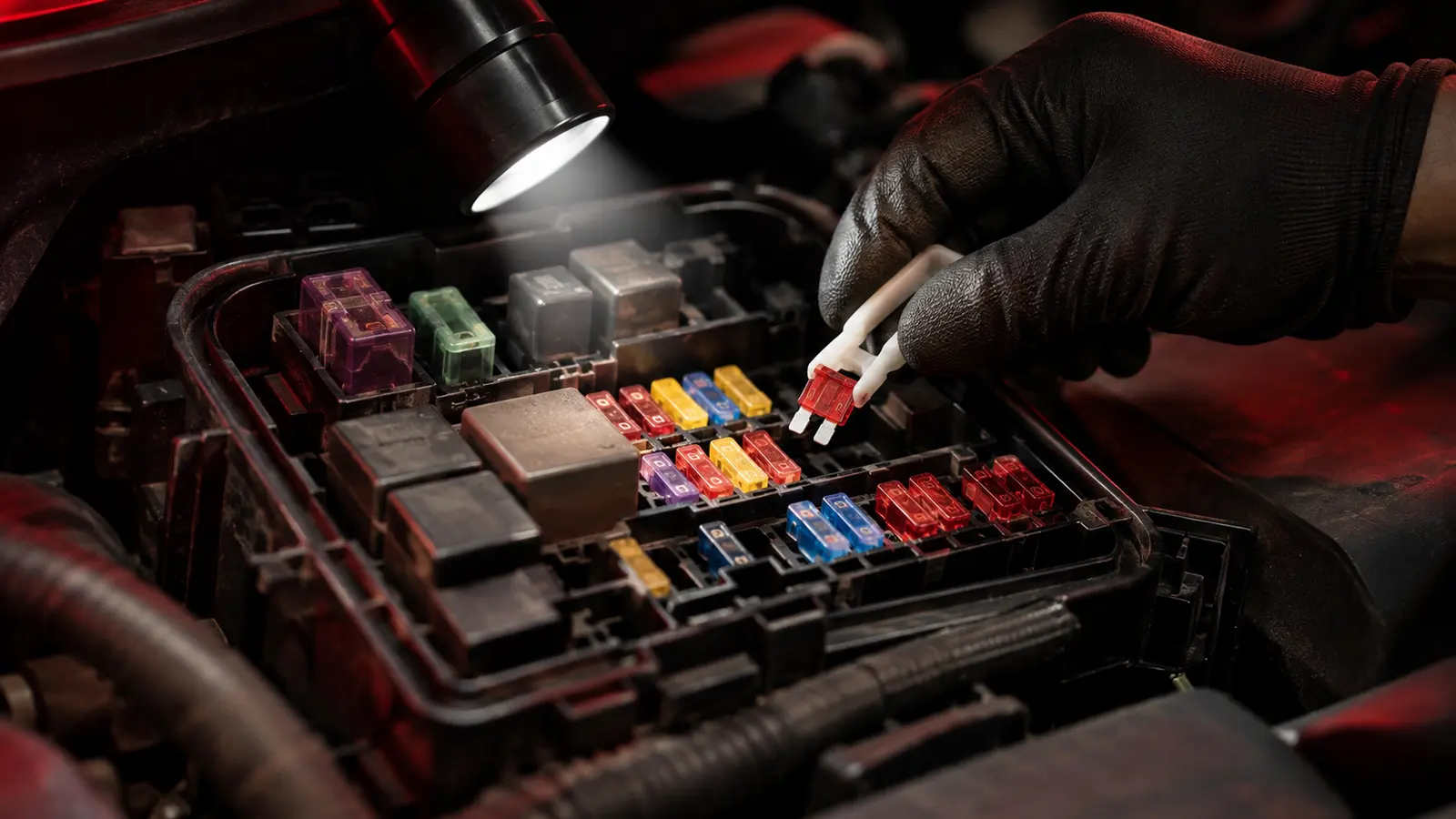
Car Electrical System: The Complete Guide to Fuses, Wiring, Lights and Faults
A car's electrical system runs on 12 volts from the battery and alternator, protected by fuses and switched by relays and computer modules that talk over a network. This guide explains how it fits together and how to approach common faults safely.
Updated November 22, 2026Read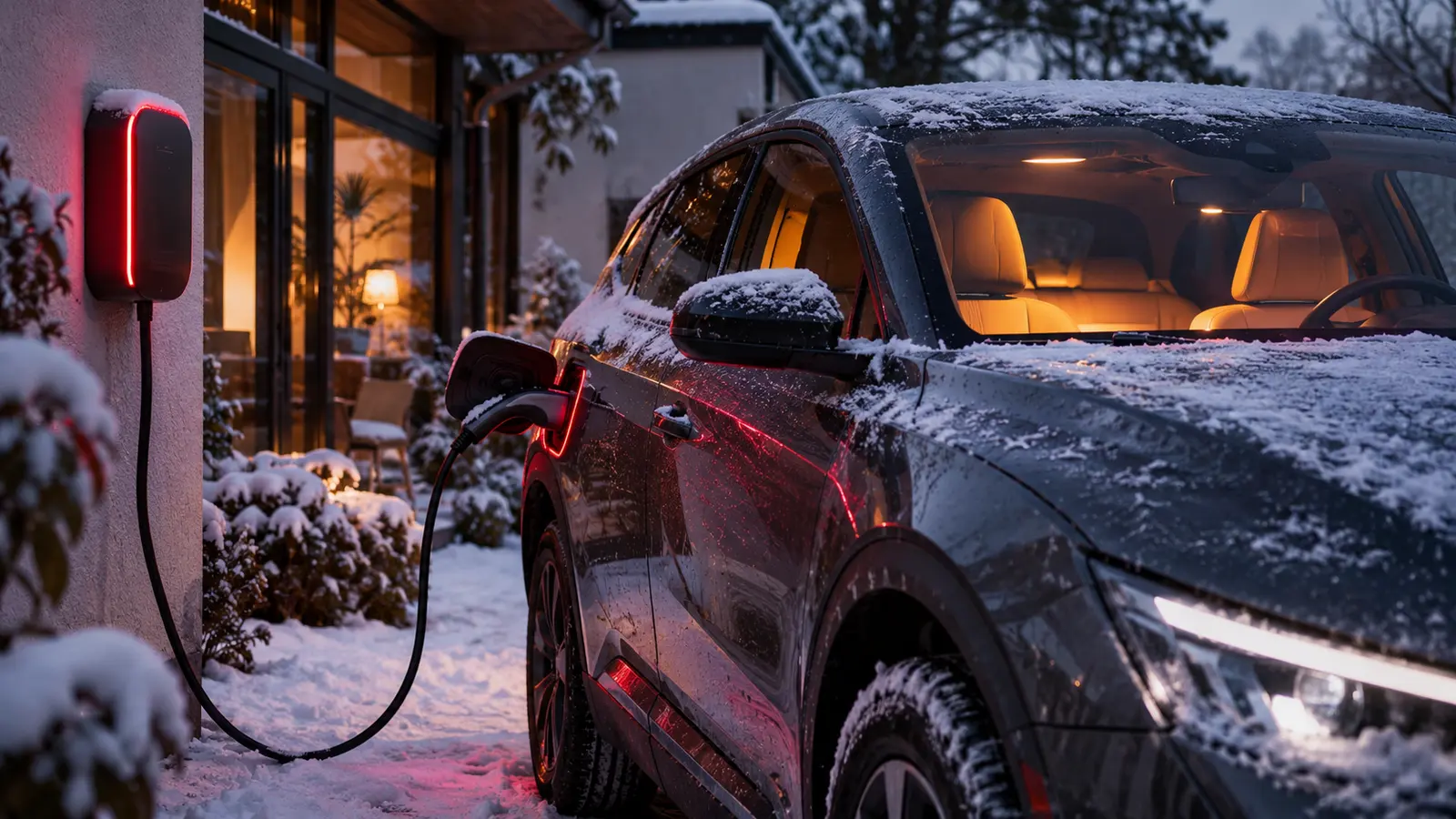 Electrical
Electric and Hybrid Cars: The Complete Ownership and Maintenance Guide
Electric cars run on a rechargeable lithium-ion battery and motors; hybrids pair an engine with an electric motor. This guide covers how they work, charging levels and times, battery and range in cold weather, regenerative braking, and the maintenance they still need.
Updated November 22, 2026ReadElectricalSpeedometer Not Working: Causes
Modern speedometers read from a gearbox or ABS wheel-speed sensor. A dead or erratic speedometer usually means a faulty sensor, damaged wiring or an instrument cluster fault.
Updated November 22, 2026Read