
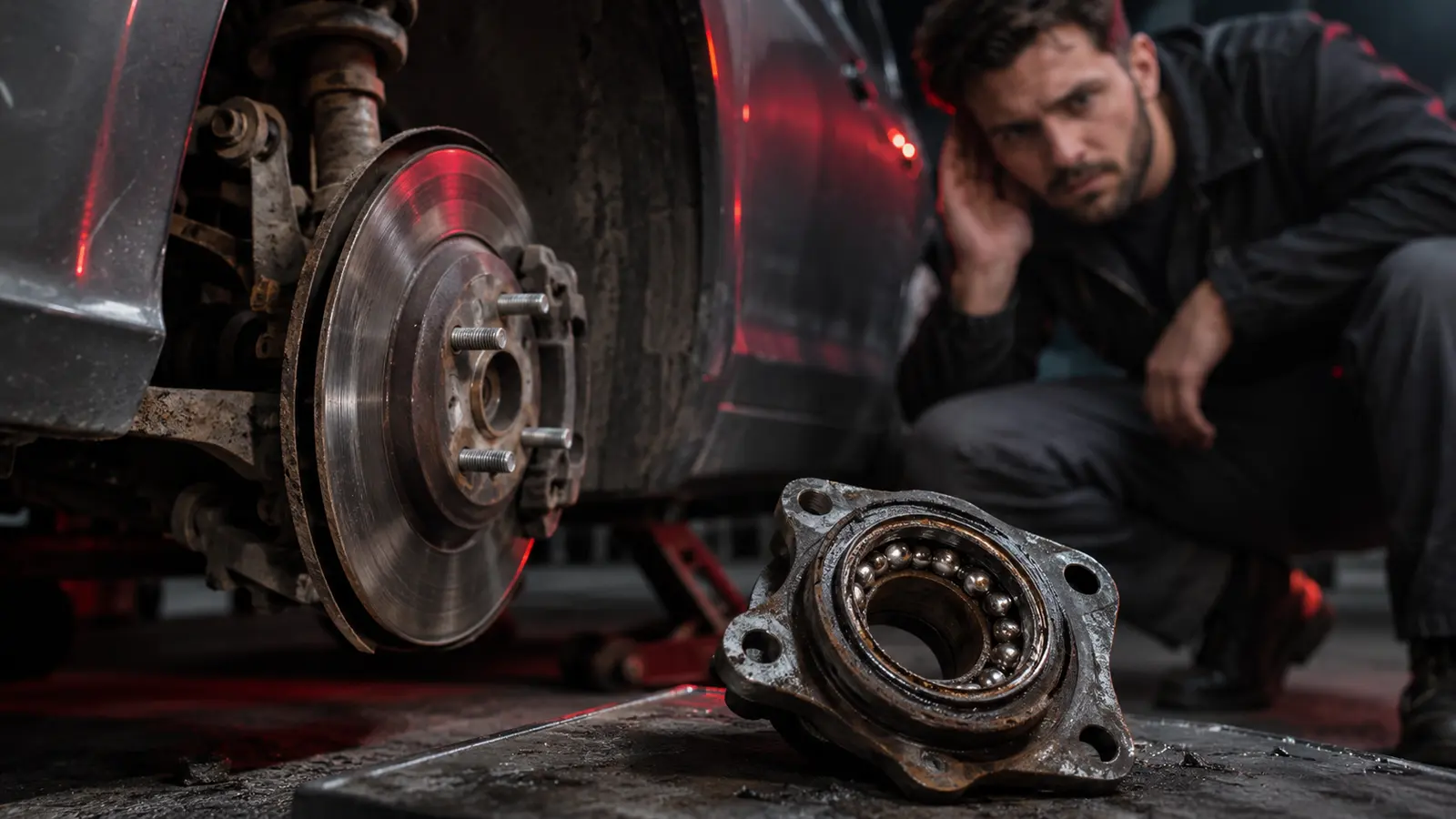
Symptoms of a Bad Wheel Bearing
Part of: Car Shaking or Vibrating: Find the Cause · Car Noises: What That Sound Means
Quick answer
A humming or growling noise that gets louder with speed, and changes when you steer left or right, is the classic sign of a worn wheel bearing.
- Topic
- Suspension & Steering
- Sections
- 9
- Reading time
- 2 min
- Applies to
- All regions
Wheel bearings let each wheel spin smoothly. Bad wheel bearing symptoms usually start as a humming, droning or growling noise that rises with road speed, rather than engine speed. The noise often changes when you steer gently left or right. Later signs include play in the wheel, uneven tyre wear and sometimes the ABS warning light.
Is it safe to drive?
A faint hum is not an emergency, but have it checked soon. If you hear grinding, feel the steering wheel wobble, or smell hot metal from one wheel, stop. A failing bearing can overheat and seize.
Symptoms at a glance
| Symptom | Stage |
|---|---|
| Hum or drone that rises with speed | Early wear |
| Noise changes when steering left or right | Typical bearing sign |
| Grinding or rumbling | Advanced wear |
| Play when the wheel is rocked | Advanced, needs replacing |
| ABS light on | Sensor signal affected |
| One wheel hotter than others after driving | Bearing dragging |
Check these in order
- Drive on a smooth, quiet road and note the speed when the noise starts.
- Steer gently left and right at that speed. A bearing noise usually changes; tyre noise usually doesn't.
- Rule out tyres: uneven or scalloped tread can make similar noises.
- Let a garage lift the car and check for play and roughness at each wheel.
Causes explained
Normal wear
Bearings are sealed and last a long time, but they do wear out eventually.
Impacts
Potholes and kerb strikes can damage a bearing's races.
Water and dirt
A damaged seal lets in water, which washes out grease and causes rust.
Fitting problems
Bearings pressed in incorrectly or hub nuts tightened to the wrong torque can fail early.
What a mechanic will do
They'll lift the car and check each wheel for play and roughness, sometimes using a stethoscope or chassis-ear microphones on a road test to pinpoint the corner.
What affects the cost
Some cars use a bolt-on hub unit that's quick to change. Others need the bearing pressed in and out of the knuckle, which takes longer.
How to prevent it
- Avoid potholes and hitting kerbs.
- Make sure hub nuts are torqued to specification after any work.
- Don't jet-wash directly into hub seals.
Regional notes
Salted winter roads in Canada, the northern US and the UK speed up seal corrosion, so bearing noise is more common there.
Related problems
Frequently asked questions
How do I know which side the bad bearing is on?
Often the noise gets louder when you steer away from the bad side, because weight shifts onto it. A mechanic confirms by checking for play and roughness.
Can a bad wheel bearing turn on the ABS light?
Yes. Many bearings have the ABS sensor ring built in, and excessive play can upset the wheel speed signal.
How long can I drive on a noisy bearing?
It's hard to predict. Get it checked soon: a bearing that fails completely can let the wheel wobble or seize.
Tools that can help
How the parts involved work
Need a mechanic?
Find rated garages near you by city, ZIP code or postcode, with directions.
About this guide
Written by Editorial Team using manufacturer documentation, government road-safety guidance and motoring-organisation advice. It explains likely causes and safe checks. It is not a diagnosis. How we write and check guides.
More suspension & steering guides
 Suspension & Steering
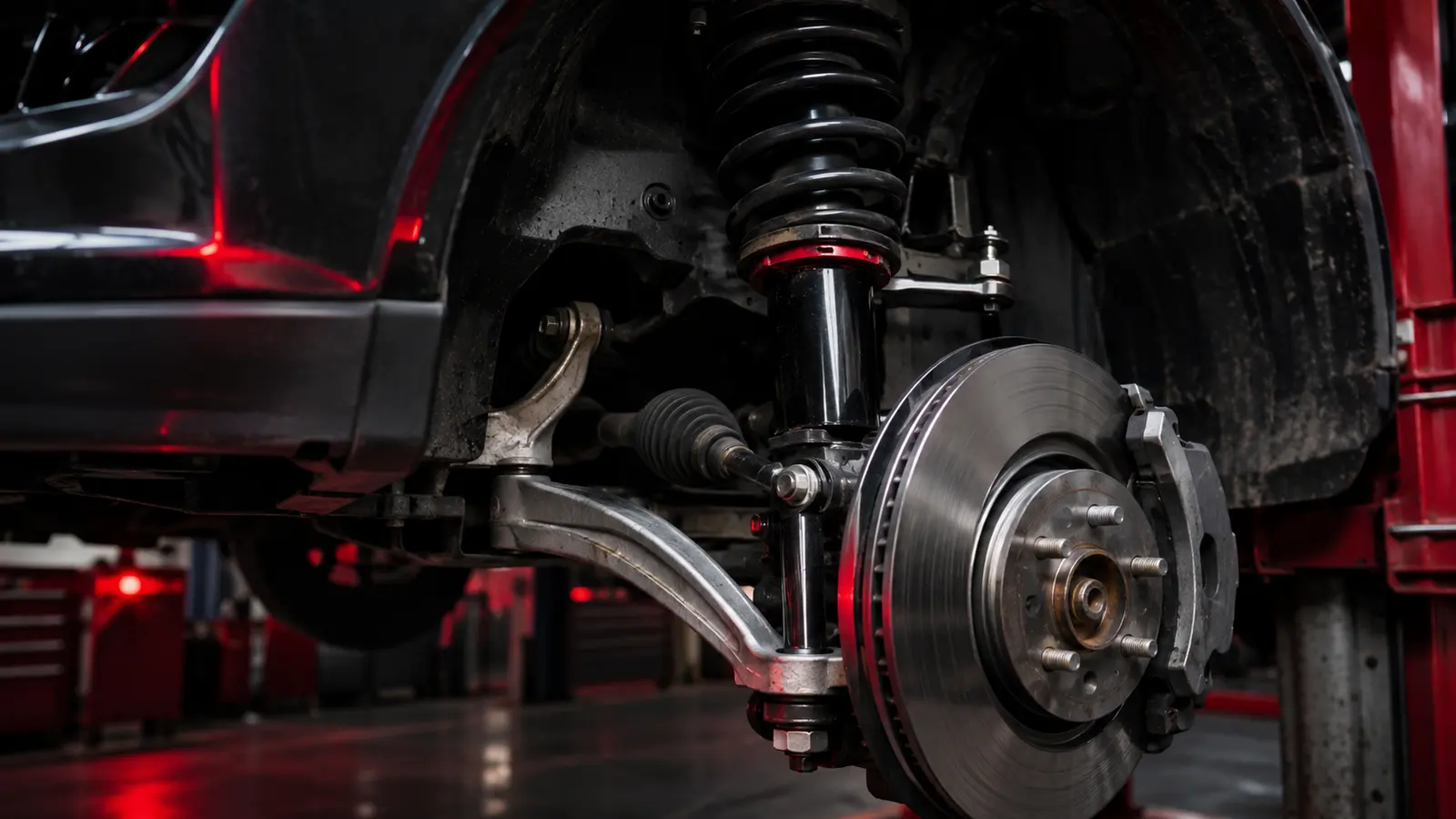
Car Suspension and Steering: The Complete Guide to Parts, Problems and Checks
Suspension keeps the tyres pressed to the road and the ride controlled; steering points the wheels where you want to go. This guide explains every main part, the noises and handling changes that signal wear, the checks you can do, and when to see a professional.
Updated November 22, 2026Read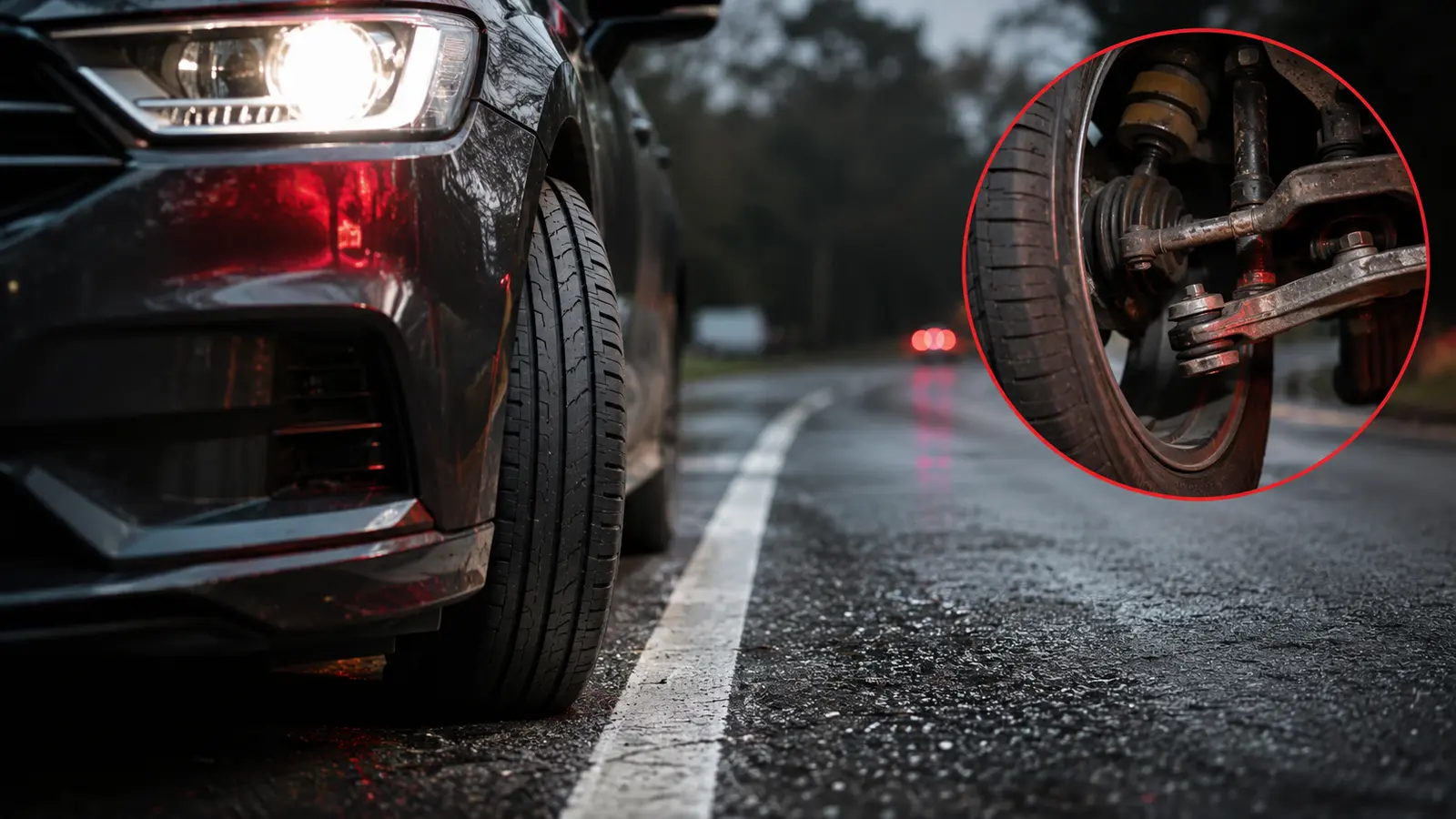 Suspension & Steering
Car Pulls When Accelerating: Causes
Some pull under hard acceleration is normal in powerful front-wheel-drive cars (torque steer). Worn engine mounts, control-arm bushes, uneven tyres or alignment problems make it worse.
Updated November 22, 2026Read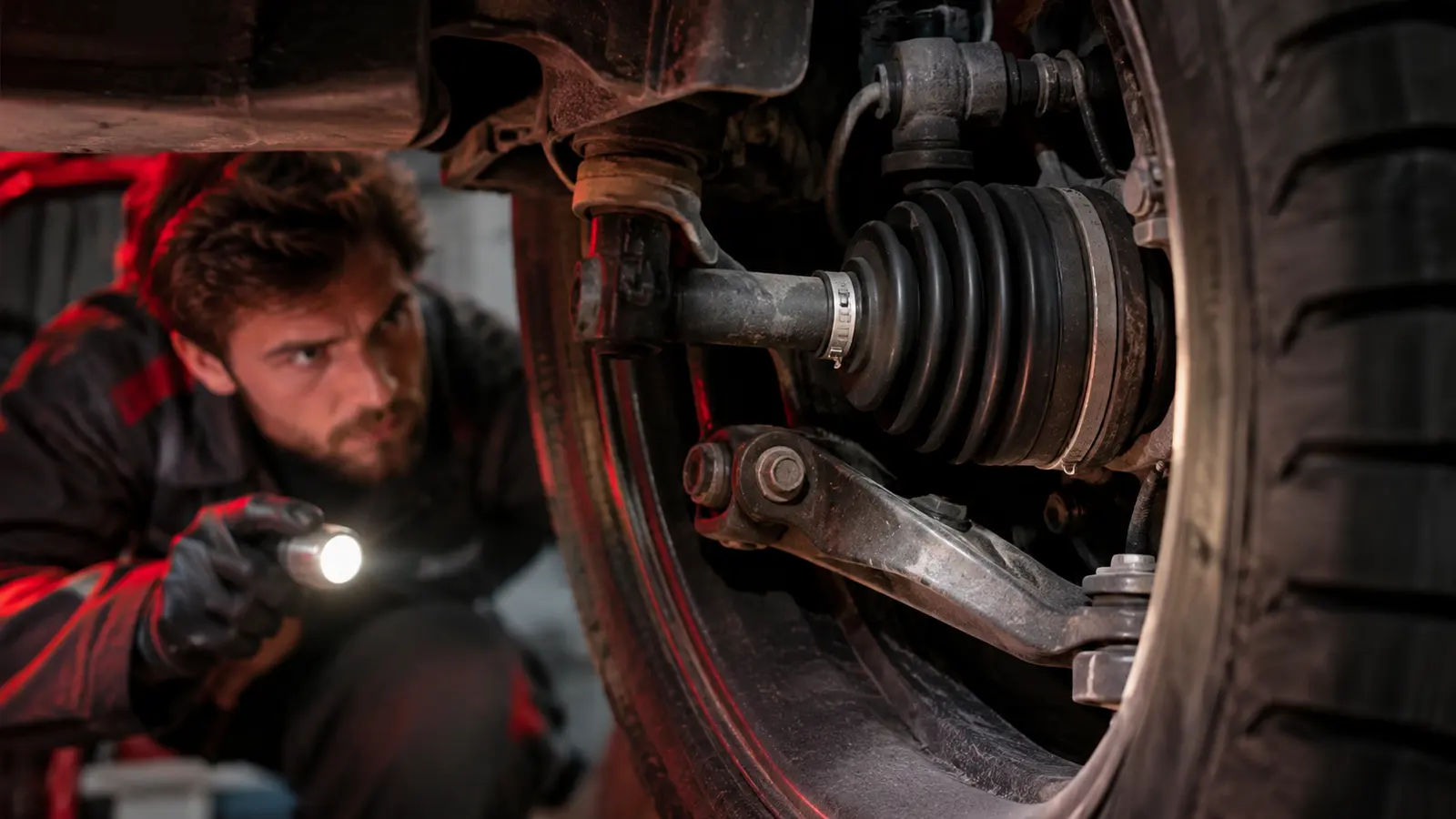 Suspension & Steering
Grinding Noise When Turning: Causes
Grinding while turning often means a failing wheel bearing, worn brake pads, a bent brake dust shield rubbing the disc, or a CV joint that has lost its grease.
Updated November 22, 2026Read