
How to Check if Your Car Has an Open Recall (US, UK, Canada, Australia, NZ)
Quick answer
Every major market has a free official recall search. In the US you can search by VIN on NHTSA, in the UK on GOV.UK, and Canada, Australia and New Zealand have their own databases. Recall repairs are normally done free by dealers.
- Topic
- Servicing & Maintenance
- Sections
- 8
- Reading time
- 3 min
- Applies to
- All regions
Recall searches spike every time a big recall hits the news, and one recently announced truck recall is climbing Google Trends right now. Whether or not your car is affected, it's worth knowing how to check your car for open recalls. It takes two minutes, it's free, and recall repairs are normally free too.
What a recall is
A safety recall is issued when a manufacturer or regulator finds a defect that could affect safety, such as a faulty airbag inflator, a fuel leak or a brake issue. The manufacturer contacts registered owners and fixes the problem, usually at no cost through its dealer network.
Problems arise when letters don't reach you: you bought the car used, moved house, or the car was imported. That's why checking yourself is worth doing.
Find your VIN first
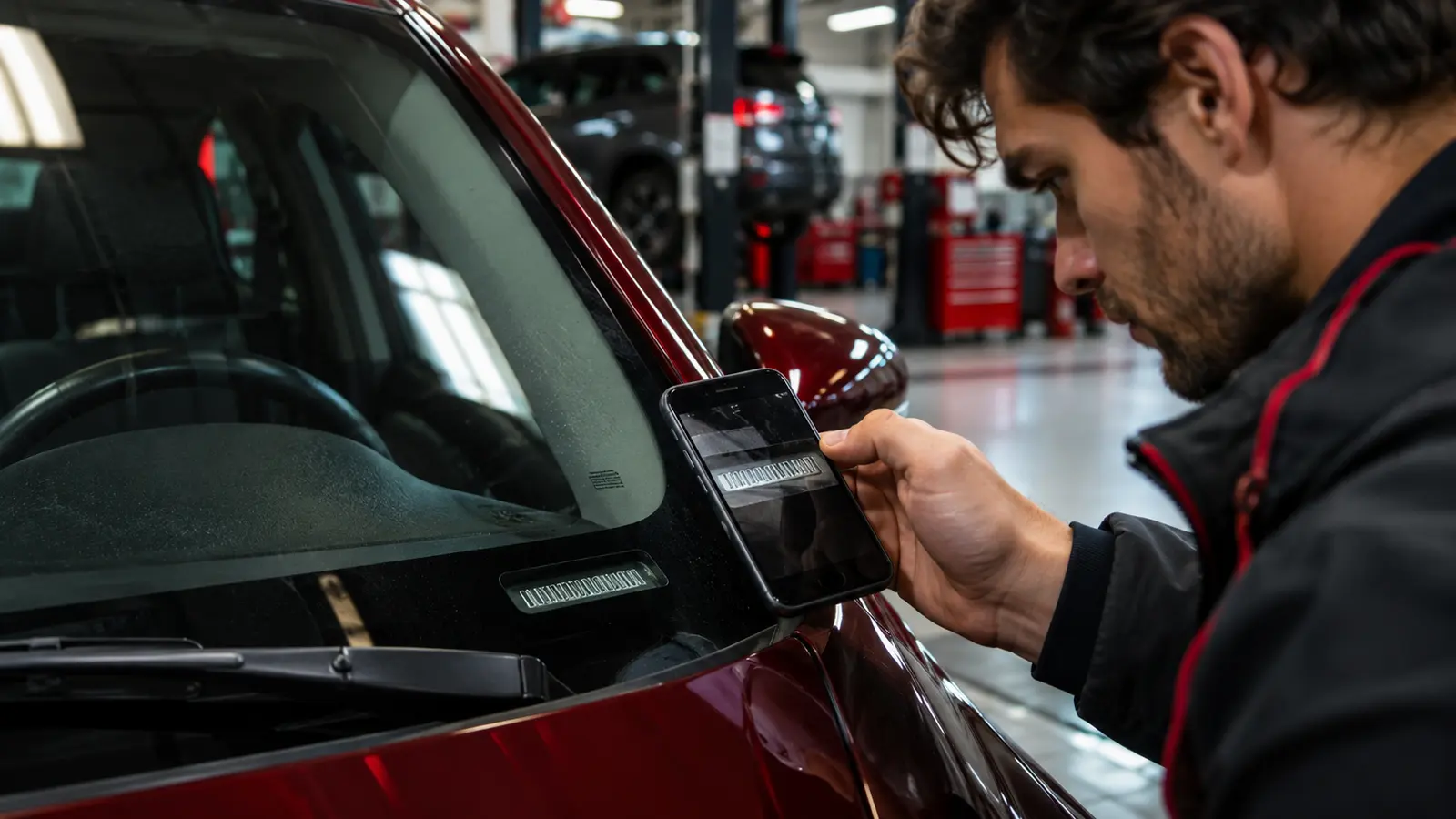
Most recall searches use the vehicle identification number (VIN), a 17-character code. You'll find it:
- At the base of the windscreen on the driver's side.
- On a label in the driver's door frame.
- On your registration or title documents and insurance paperwork.
Our guide how to find your VIN has photos of each location.
How to check, country by country
| Country | Official tool | Search by |
|---|---|---|
| United States | NHTSA recalls search | VIN, licence plate, or year/make/model |
| United Kingdom | GOV.UK vehicle recall check | Make and model (registration not needed) |
| Canada | Transport Canada recalls database | Make, model and year |
| Australia | ACCC Product Safety recalls | Search by product or brand |
| New Zealand | NZTA vehicle recalls | Recalls list by make |
United States: NHTSA's tool searches vehicles, car seats, tyres and equipment, and accepts a VIN, a plate number or year, make and model. A VIN search shows open recalls for that specific car.
United Kingdom: GOV.UK's service checks whether a vehicle model, part or accessory has been recalled because of a manufacturing fault. You can check a car without knowing its registration.
Canada, Australia and New Zealand: use the official databases linked under Sources, then confirm with a dealer using your VIN.
You can also call any franchised dealer for the brand. They can check open campaigns against your VIN.
What to do if your car has an open recall
- Read the notice. It explains the risk and whether you should stop driving. Some recalls, such as certain airbag or fire risks, carry "do not drive" or "park outside" advice.
- Book the repair with a franchised dealer. Ask about parts availability and how long it will take.
- Keep the paperwork. Proof of completion is useful when you sell the car.
- Report safety problems that aren't covered. In the US you can file a complaint with NHTSA; other countries have similar channels.
Recalls and used cars
Before buying a used car, run a recall check alongside a history check and inspection. Our used car inspection checklist includes it. In the UK, a check of the MOT history is another free check worth doing.
Tyre recalls and pressure warnings
Tyres and tyre pressure monitoring parts can be recalled too. If your tyre pressure light behaves oddly after a recall notice, read the notice first, then see tyre pressure light on and how TPMS sensors work.
How often to check
Once or twice a year is a sensible routine, plus whenever you buy a car or move house. Some manufacturers also let you sign up for recall alerts by VIN.
The bottom line
Recall checks are free, quick and official. Find your VIN, use your country's recall tool, and book any open recall with a dealer. It's one of the easiest safety wins in car ownership.
Frequently asked questions
Do I have to pay for recall repairs?
Safety recall repairs are normally carried out free of charge by the manufacturer's dealers. Check the recall notice for details.
I bought my car used. Will I be notified?
Not always, especially if the manufacturer has an old address. Check the official database yourself, ideally once or twice a year.
Where is my VIN?
Usually at the base of the windscreen on the driver's side, on the door frame, and on your registration documents.
Tools that can help
Need a mechanic?
Find rated garages near you by city, ZIP code or postcode, with directions.
About this guide
Written by Editorial Team using manufacturer documentation, government road-safety guidance and motoring-organisation advice. It explains likely causes and safe checks. It is not a diagnosis. How we write and check guides.
More from the blog
 Seasonal Driving
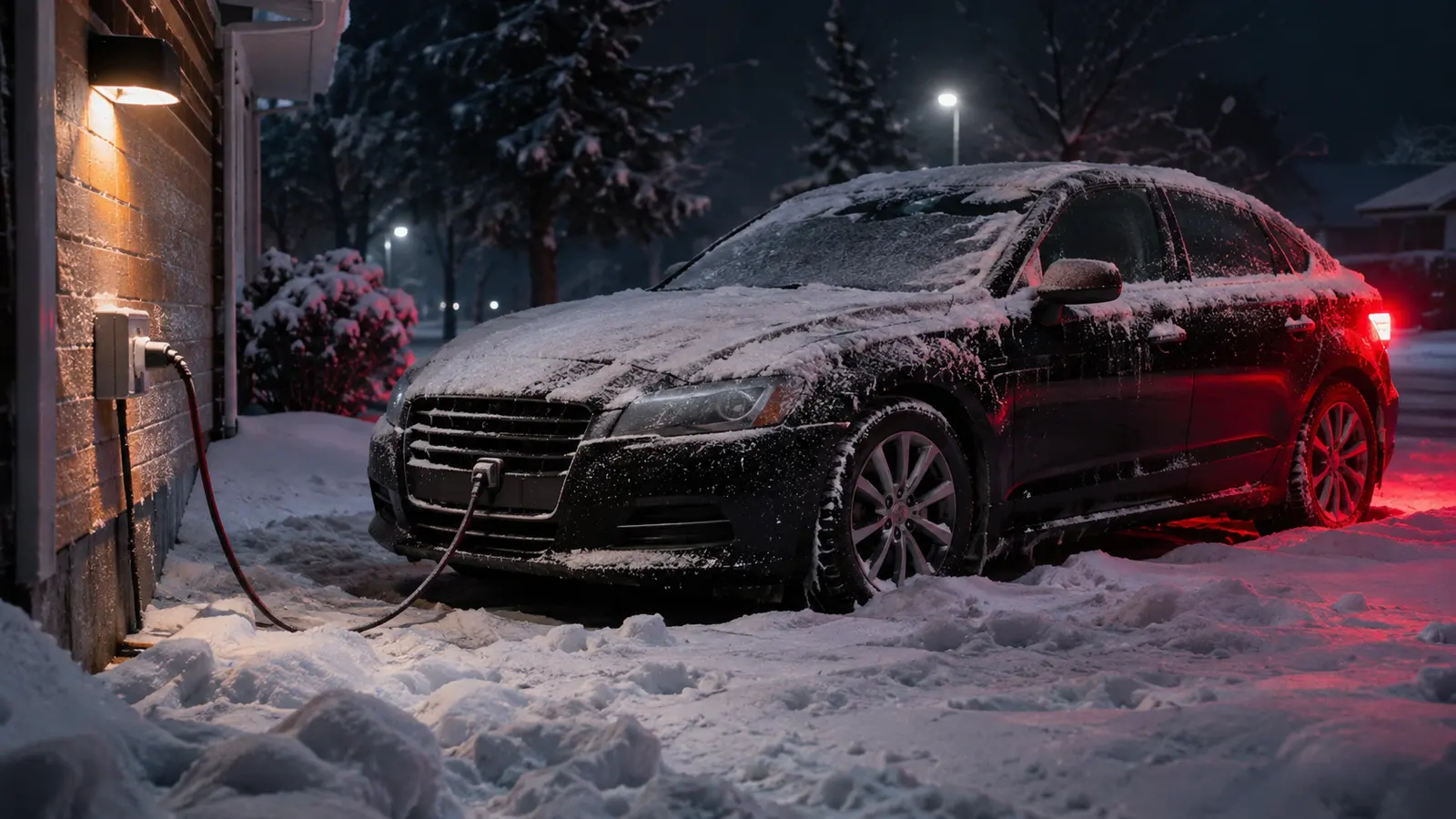
Winter Car Emergency Kit: What to Keep in Your Car
A winter car kit should keep you able to see, get moving, call for help and stay warm while you wait. Both NHTSA and the UK Highway Code publish lists: scraper and de-icer, shovel, traction aid, jump leads, torch, first aid kit, blankets, water and food.
Updated November 22, 2026Read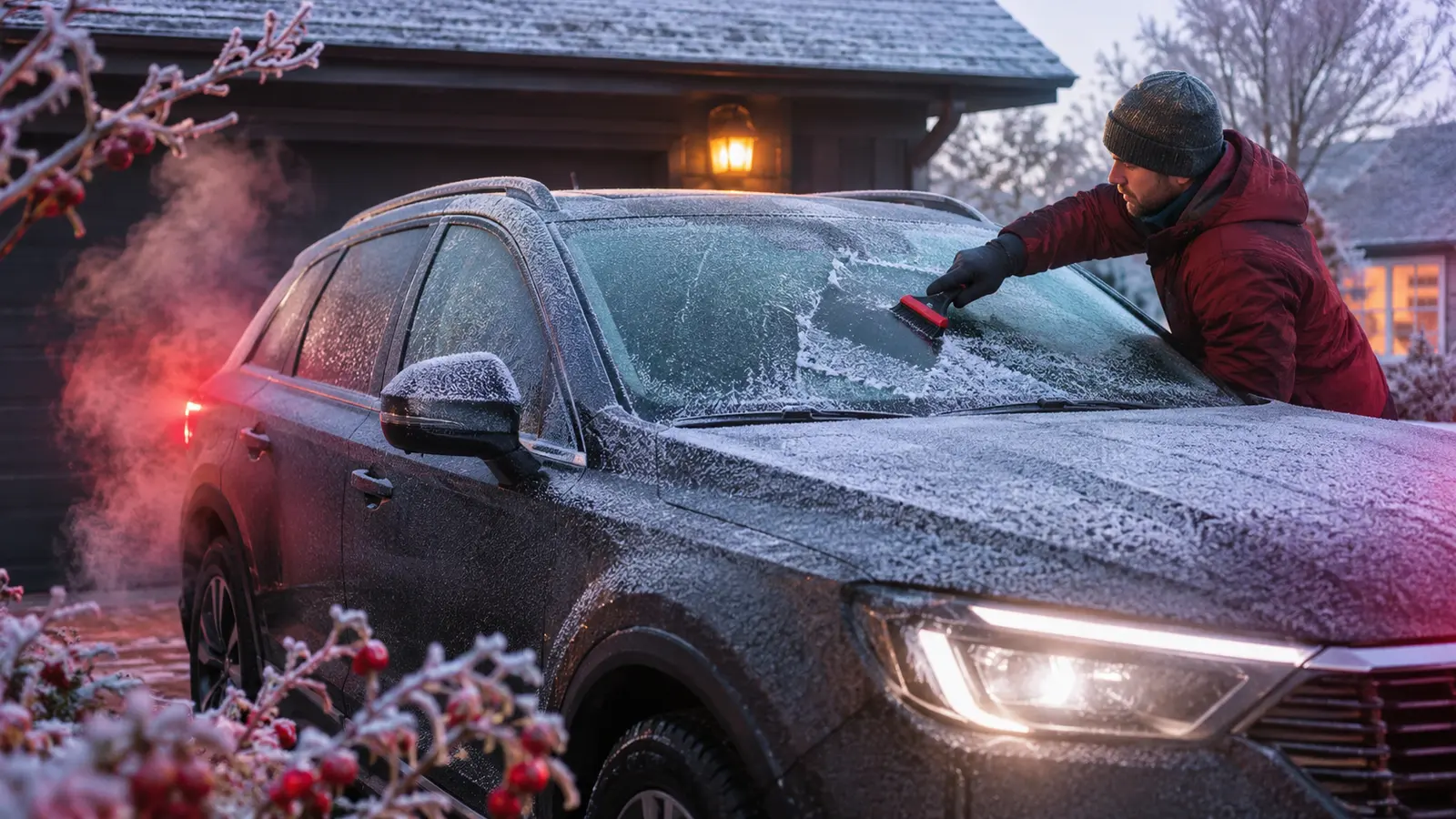 Seasonal Driving
Should You Warm Up Your Car in Winter? What the Evidence Says
For most modern cars the answer is no: FuelEconomy.gov says most manufacturers recommend driving off gently after about 30 seconds, because the engine warms faster while driving. Clear all the glass first, though.
Updated November 22, 2026ReadSeasonal DrivingHow to Drive on Black Ice (and How to Spot It)
Black ice is a thin, clear glaze you can barely see. Slow down early, leave far more space (the Highway Code says stopping distances can be ten times longer on ice), and make every input gentle. If you skid, look and steer where you want to go.
Updated November 22, 2026Read