
Option A
All-weather tyres
Option B
All-season tyres
All-Weather vs All-Season Tyres
Short answer
All-weather tyres are designed for year-round use including real winter conditions and usually carry the three-peak mountain snowflake (3PMSF) symbol. All-season tyres are tuned for warm and mild conditions and are weaker in snow and ice.
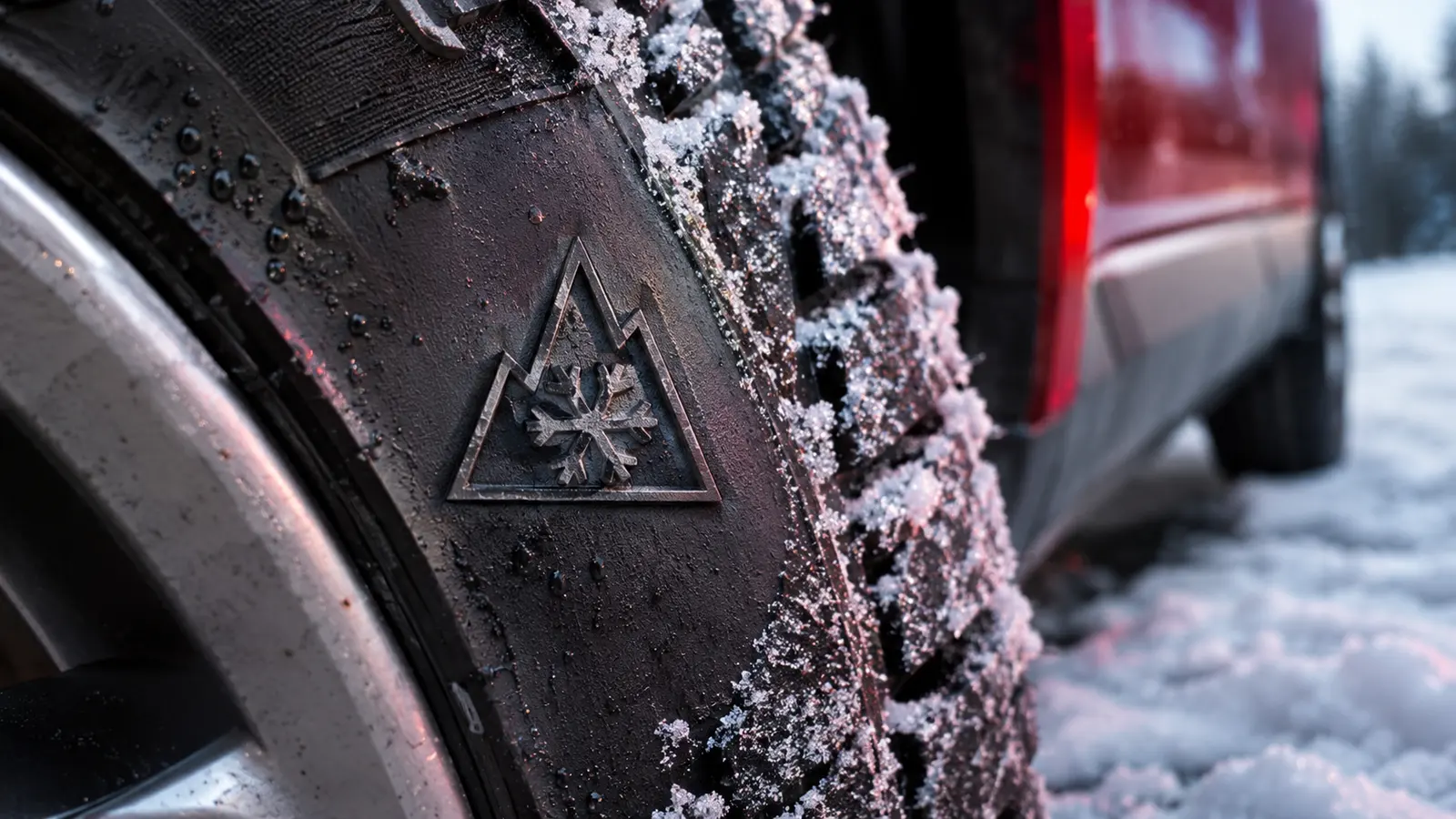
Side-by-side comparison
| Feature | All-weather tyres | All-season tyres |
|---|---|---|
| Mountain snowflake (3PMSF) | Usually yes | Usually no |
| Snow grip | Good | Limited |
| Summer performance | Good | Better |
| Wear in hot climates | Can wear faster | Good |
| Meets winter tyre rules | Often (check local law) | Usually not |
| Year-round use | Yes | Yes, in mild winters |
Why choose All-weather tyres
- No seasonal swaps in moderate winters
- Snow-rated
- Good wet grip
Why choose All-season tyres
- Strong in warm weather
- Long tread life
- Quiet
Which should you choose?
Choose All-weather tyres if…
You get regular snow or cold but not extreme winters, and want one set of tyres.
Choose All-season tyres if…
Your winters are mild with little snow.
Our verdict
The bottom line
For severe winters, dedicated winter tyres are still best. For moderate winters, all-weather tyres are a strong compromise.
Frequently asked questions
Do all-weather tyres satisfy Quebec's winter tyre law?
Tyres with the 3PMSF symbol generally qualify, but check current provincial rules.
Are all-weather tyres noisy?
Some are slightly noisier than all-season tyres.
Can I use them in Australia?
Yes, though in hot regions a summer or all-season tyre may wear better.
Related guides
More comparisons
General information, not a diagnosis. If a warning light is red, the car drives abnormally or you're unsure, stop safely and have a qualified technician inspect the vehicle.