
Option A
Cabin air filter
Option B
Engine air filter
Cabin Air Filter vs Engine Air Filter
Short answer
Your car has two air filters. The cabin filter cleans air coming through the vents into the passenger compartment, trapping dust and pollen. The engine air filter cleans the air going into the engine to protect it from dust. They're in different places and are changed at different intervals.
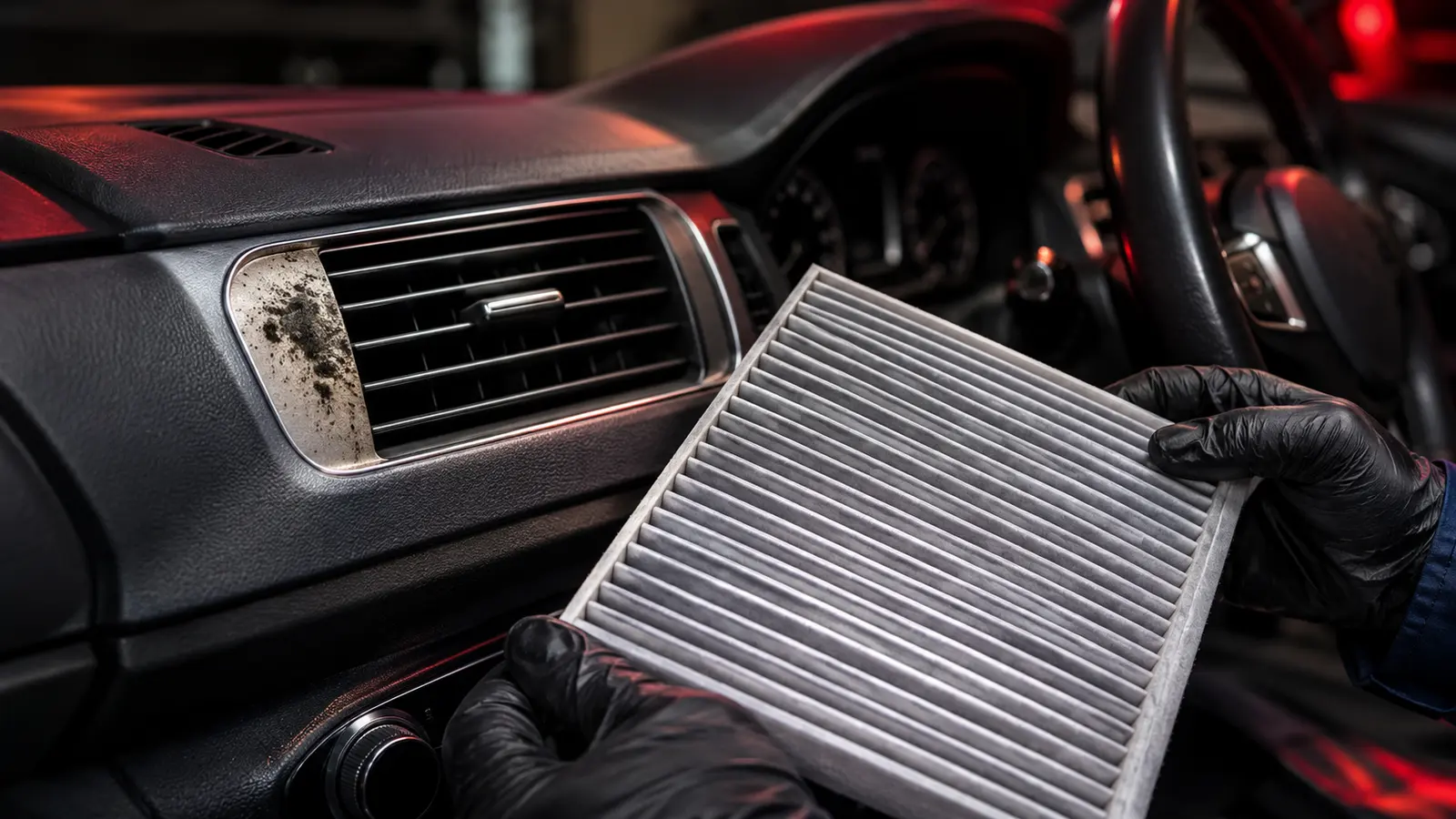
Side-by-side comparison
| Feature | Cabin air filter | Engine air filter |
|---|---|---|
| Cleans air for | Passengers | The engine |
| Location | Behind glovebox or under scuttle | Airbox in the engine bay |
| Typical interval | About yearly | 15,000–30,000 miles |
| Symptoms when clogged | Weak airflow, smells, fogging | Sluggish performance (older engines) |
| Upgrade option | Carbon / allergen filters | High-flow filters |
| DIY difficulty | Easy | Easy |
Why choose Cabin air filter
- Better air quality
- Stronger AC and demisting
- Fewer odours
Why choose Engine air filter
- Protects pistons and cylinders
- Keeps the MAF sensor clean
- Maintains performance
Which should you choose?
Choose Cabin air filter if…
Replace when airflow is weak or the cabin smells musty.
Choose Engine air filter if…
Replace at the handbook interval or sooner on dusty roads.
Our verdict
The bottom line
Both are cheap and quick to change. Check both at each service.
Frequently asked questions
Can I clean them instead?
Paper filters should be replaced, not washed.
Does a dirty cabin filter affect AC?
Yes, it reduces airflow.
Related guides
More comparisons
General information, not a diagnosis. If a warning light is red, the car drives abnormally or you're unsure, stop safely and have a qualified technician inspect the vehicle.