
How Often Should You Replace Brake Pads?
Part of: Brake Problems: Noises, Vibration and Warning Signs
Quick answer
There's no single mileage. Pads can last anywhere from about 25,000 to 70,000 miles depending on driving and car. Replace them at about 3 mm of friction material, or when the wear indicator squeals.
- Topic
- Brakes
- Sections
- 7
- Reading time
- 1 min
- Applies to
- All regions
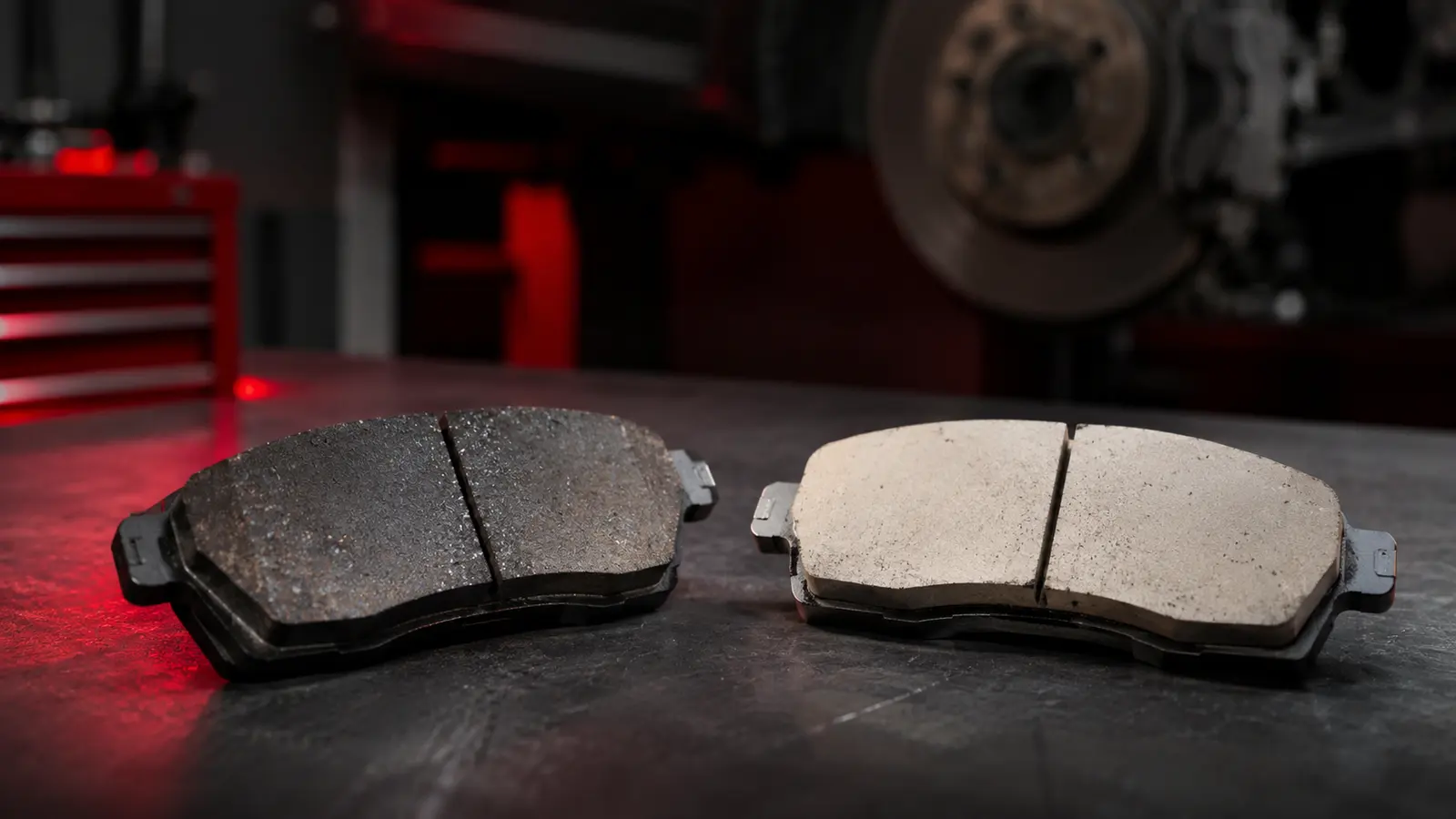
How often to replace brake pads depends far more on how and where you drive than on a set mileage. Pads can last anywhere from roughly 25,000 to 70,000 miles or more. Replace them when the friction material is down to about 3 mm, or when the wear indicator squeals or a pad warning light comes on.
Signs pads need replacing
- High-pitched squeal on braking (wear indicator)
- Grinding (pads worn to metal: urgent)
- Pad wear warning light
- Longer stopping distances
- Pads visibly thin through the wheel spokes
What affects pad life
| Factor | Effect |
|---|---|
| City stop-start driving | Faster wear |
| Mostly highway | Slower wear |
| Heavy loads, towing, hills | Faster wear |
| Hybrid / EV regen | Much slower wear |
| Pad compound | Varies |
Check these in order
- Look at pad thickness at each service.
- Listen for the wear squeal.
- Watch for warning lights.
Why it matters
Worn-out pads damage discs and can reduce braking performance. Acting at the first squeal keeps costs down.
What a mechanic will do
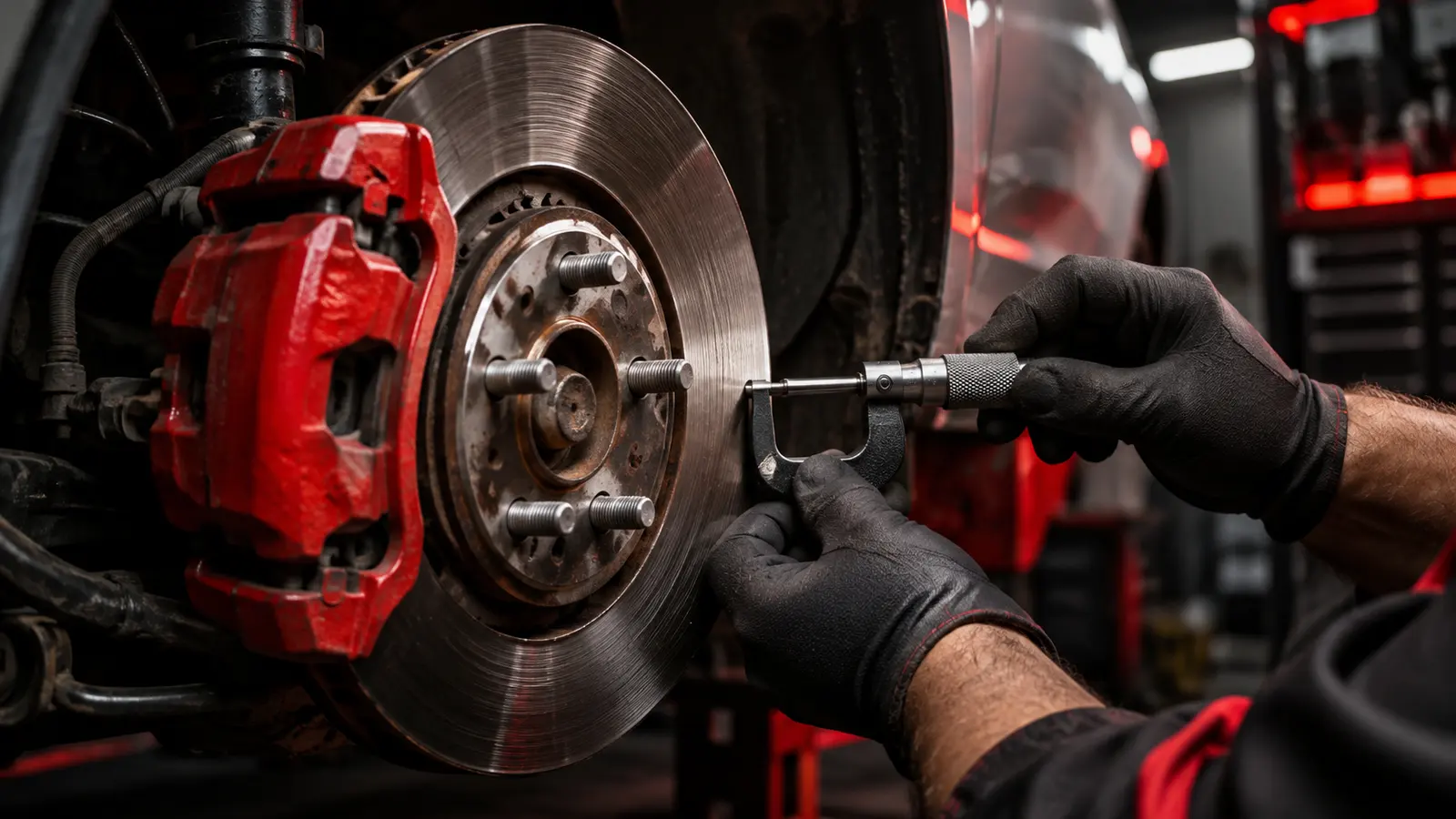
They'll replace pads in axle pairs, measure discs, clean and lubricate slides, and bed the pads in.
How to extend pad life
- Anticipate stops and brake smoothly.
- Use engine braking on long descents.
Related guides
Frequently asked questions
Do front pads wear faster than rear?
Usually yes. The front brakes do most of the work, although on some cars with electronic stability control the rears wear quickly too.
Should discs be replaced with pads?
Only if they're below minimum thickness, scored or uneven. A mechanic measures them.
Does regenerative braking change pad life?
Hybrids and EVs often use the pads less, so they can last much longer, but discs may rust from lack of use.
Tools that can help
How the parts involved work
Need a mechanic?
Find rated garages near you by city, ZIP code or postcode, with directions.
About this guide
Written by Editorial Team using manufacturer documentation, government road-safety guidance and motoring-organisation advice. It explains likely causes and safe checks. It is not a diagnosis. How we write and check guides.
More brakes guides
 Brakes
Car Brakes: The Complete Guide to How They Work, Warning Signs and Maintenance
Car brakes turn the car's movement into heat. Pressing the pedal pushes brake fluid to the wheels, where pads or shoes squeeze discs or drums. This guide explains each part, what different noises and pedal feels mean, and how to keep the system safe.
Updated November 22, 2026ReadBrakesHandbrake (Parking Brake) Not Holding: Causes
A parking brake that doesn't hold on a slope usually has stretched or seized cables, worn rear pads or drum shoes, or needs adjusting. On electronic parking brakes, a motor or software fault is possible.
Updated November 22, 2026ReadBrakesBrake Pedal Hard While Driving: Causes
If the brake pedal becomes very hard to press while the engine is running, the brake booster has lost its assistance, usually from a vacuum leak, a failed booster or a faulty vacuum pump on diesels.
Updated November 22, 2026Read