
Problem hub · 9 guides
Brake Problems: Noises, Vibration and Warning Signs
Squealing often means pads are nearly worn. Grinding means metal-on-metal and is urgent. Vibration usually means uneven discs. Pulling suggests a sticking caliper. A soft or sinking pedal is a hydraulic problem: don't drive.
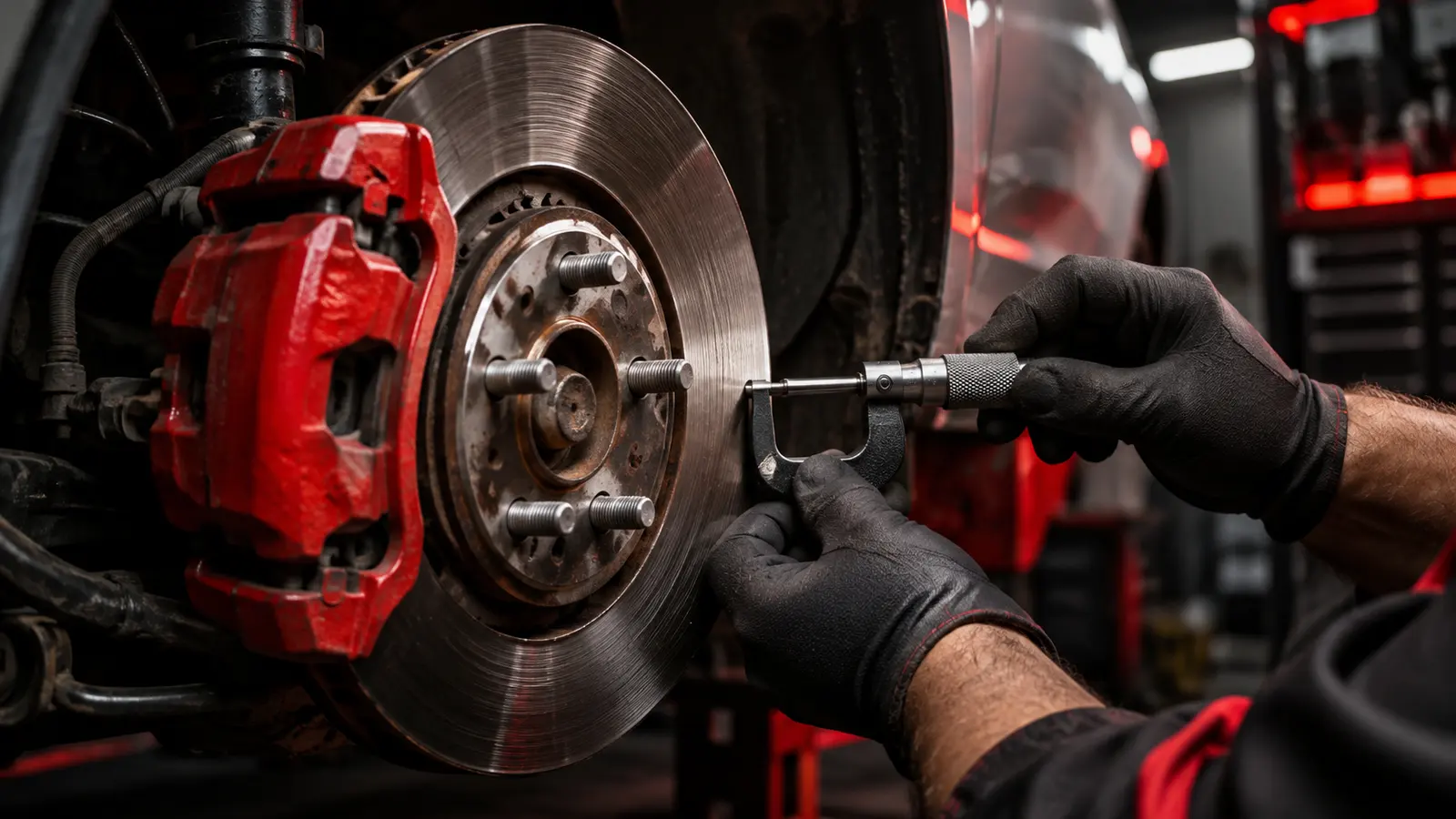
Brakes are the most important safety system on the car. Most problems give clear warnings first, so acting on the early signs saves money and keeps you safe.
Match your symptom
Stop driving and get help if…
- Soft or sinking pedal
- Brake warning light that stays on
- Grinding with poor stopping
Every guide in this topic
- 01GuideCar Brakes: The Complete Guide to How They Work, Warning Signs and Maintenance
- 02GuideBrakes Squeaking at Low Speed: Causes and Fixes
- 03GuideBrakes Grinding: What It Means and What to Do
- 04GuideWhy Does My Car Shake When I Brake? Causes and Fixes
- 05GuideSpongy or Soft Brake Pedal: Causes
- 06GuideSymptoms of a Bad Brake Master Cylinder
- 07GuideHow Often Should You Replace Brake Pads?
- 08GuideHow Often Should You Change Brake Fluid?
- 09GuideCar Making Noise When Reversing: Causes and Fixes
Checks you can do yourself
Parts involved
Frequently asked questions
How often should brakes be checked?
At every service, and whenever they sound or feel different.
Do I need new discs with new pads?
Only if discs are worn, scored or uneven.
Is a brake warning light always serious?
Check the parking brake first. If it stays on, get it inspected before driving.
General information, not a diagnosis. If a warning light is red, the car drives abnormally or you're unsure, stop safely and have a qualified technician inspect the vehicle.